From Ars Technica · · 2m
NASA's Moon race demands better international deals
The administrator says partnerships must meaningfully advance the mission, not just look good in press releases.
In brief
The administrator says partnerships must meaningfully advance the mission, not just look good in press releases. NASA is shifting from inclusive partnerships to selective ones that directly advance lunar goals, as competition with China intensifies. Originally reported by Ars Technica.
Moon's best real estate is contested
The lunar south pole has limited high-value locations with water ice in craters and sunlit ridges for power. Both the US and China want the same spots.
Water ice enables permanent bases
The south pole's frozen water can supply drinking water, oxygen, and rocket fuel for a Moon base and Mars missions. It's the training ground America needs.
China and Russia are moving fast
China plans to land at the same lunar south pole locations with Russian partners and install a nuclear reactor. This creates urgency for NASA.
Isaacman demands meaningful contributions
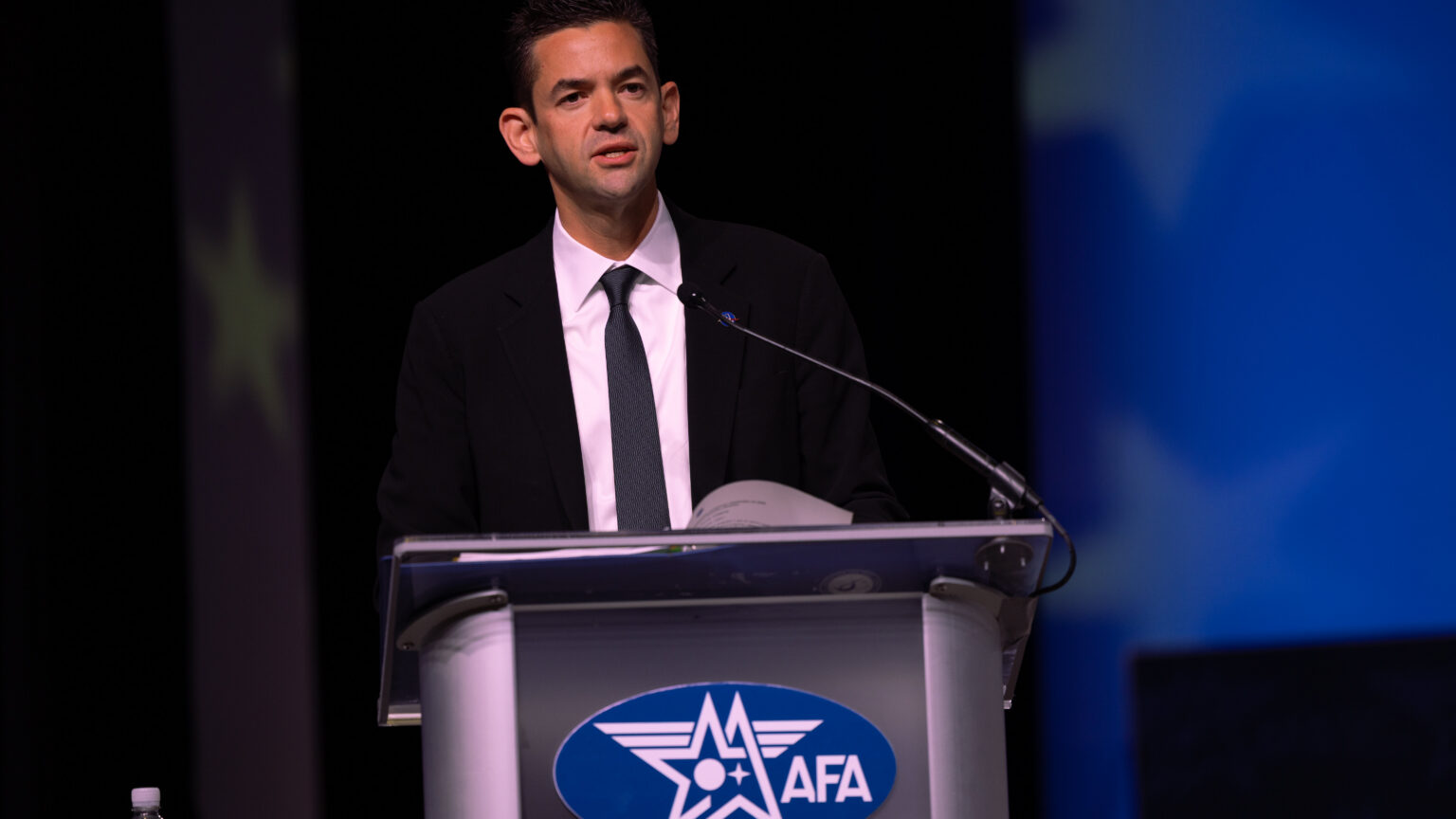
NASA's new administrator says the agency will only partner with countries that meaningfully advance missions, not just provide flags for press releases.
“We're only doing good deals, and we haven't always done good deals.”
Italy's 5 billion dollar habitat deal
Italy committed over 5 billion dollars to build the first real habitation module for the Moon. Two Italian astronauts will land as a result.
Japan's pressurized rover agreement
Japan is spending billions to develop a pressurized rover for lunar transport. Two Japanese astronauts will get Moon landing seats in return.
Gateway program gets cancelled

NASA scrapped the Gateway mini-space station in March to focus on a permanent lunar surface base. The shift reflects China's aggressive timeline.
ESA faces uncertain Moon role
The European Space Agency had contracts for Gateway modules but now lacks a clear path to contribute meaningfully to the Moon Base program.
Canada's robotic arm in limbo
Canada was building a robotic arm for Gateway but now faces uncertainty. A US trade war with Canada adds complications to any new agreements.
ESA's Argonaut lander too slow
ESA's proposed Argonaut cargo lander would arrive in the mid-2030s, but China lands in early 2027. By then, the best spots will be taken.
Argonaut duplicates US capabilities
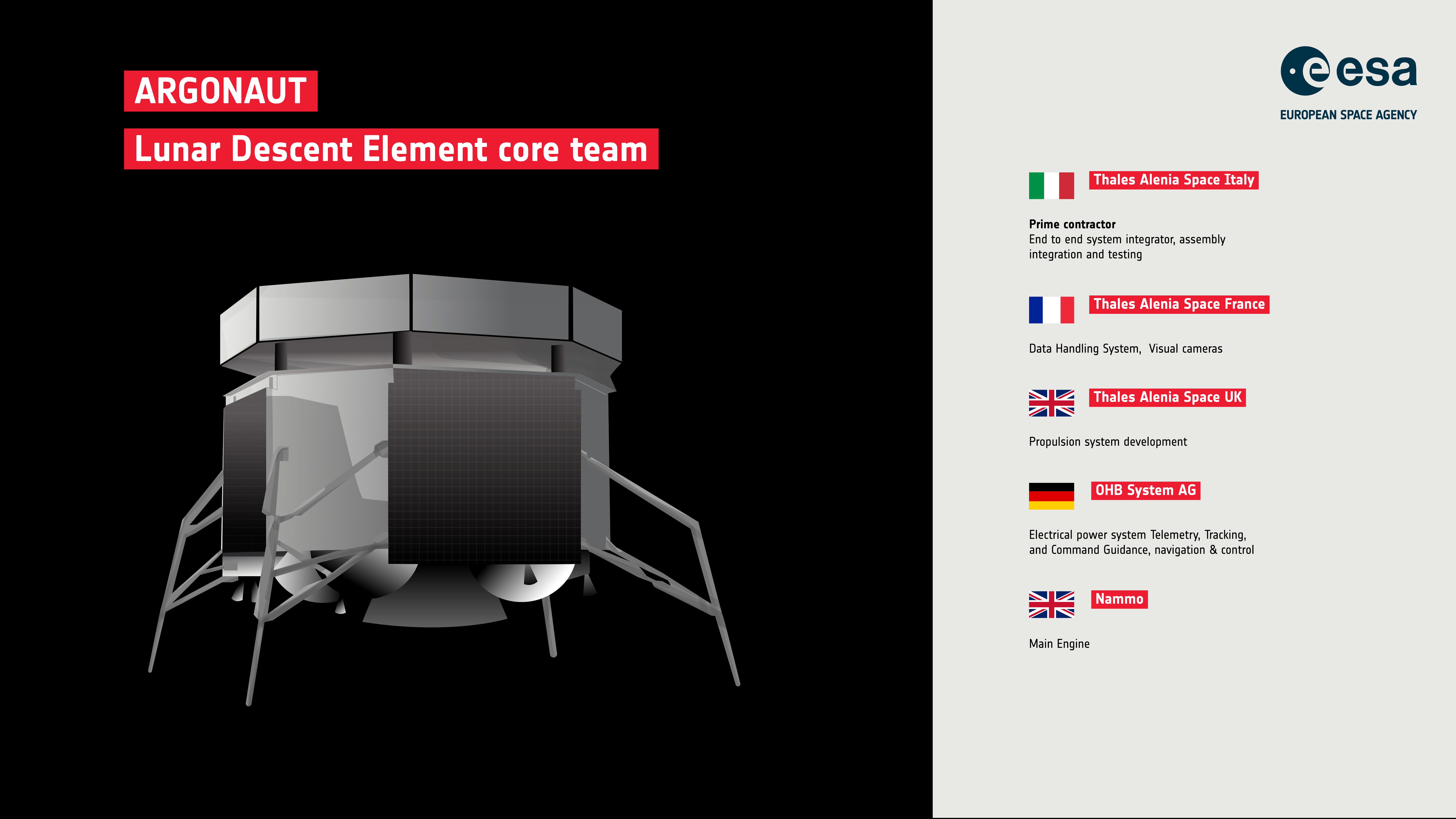
Argonaut's 1.5-ton payload capacity is half of Blue Origin's Blue Moon lander and far below SpaceX's Starship. NASA sees it as redundant.
Speed and substance now matter most
Isaacman says partners must deliver real capabilities quickly or get out of the way. The old model of inclusive partnerships is dead.
“We've got to get in touch with reality and make meaningful contributions.”
The essence
NASA is shifting from inclusive partnerships to selective ones that directly advance lunar goals, as competition with China intensifies.