From Ars Technica · · 2m
The man who made robots cheap
Unitree's founder approves every screw length and every $15 expense, and that obsession built the world's cheapest humanoids.
In brief
Unitree's founder approves every screw length and every $15 expense, and that obsession built the world's cheapest humanoids. Unitree's price advantage comes from one founder controlling every hardware decision, which is exactly the habit that may not survive scale. Originally reported by Ars Technica.
China owns the cheap robots
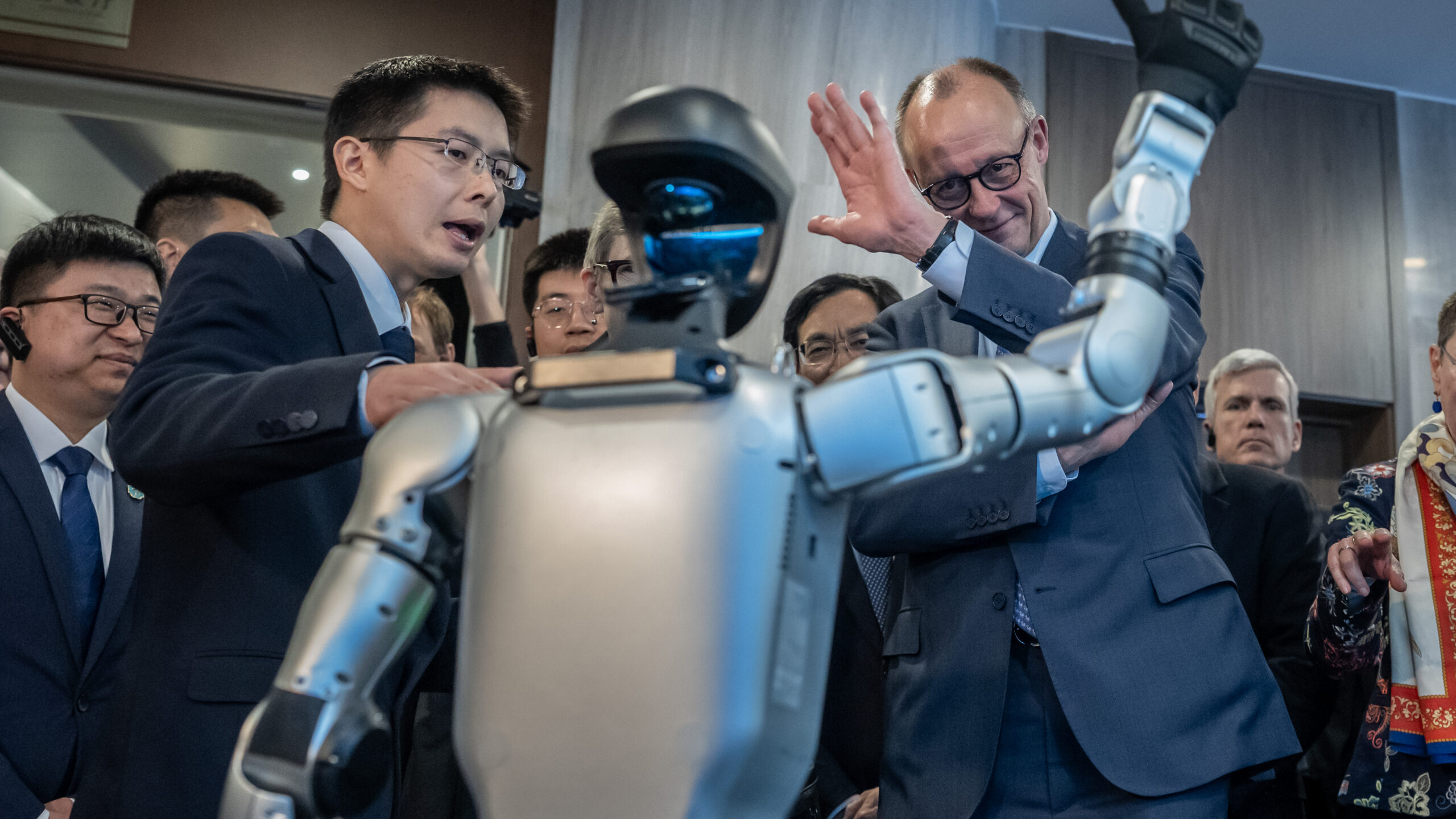
China makes most of the world's humanoid robots and robot dogs, and the most affordable ones too. Unitree Robotics and its founder Wang Xingxing are a big reason why.
A quiet founder gets rich
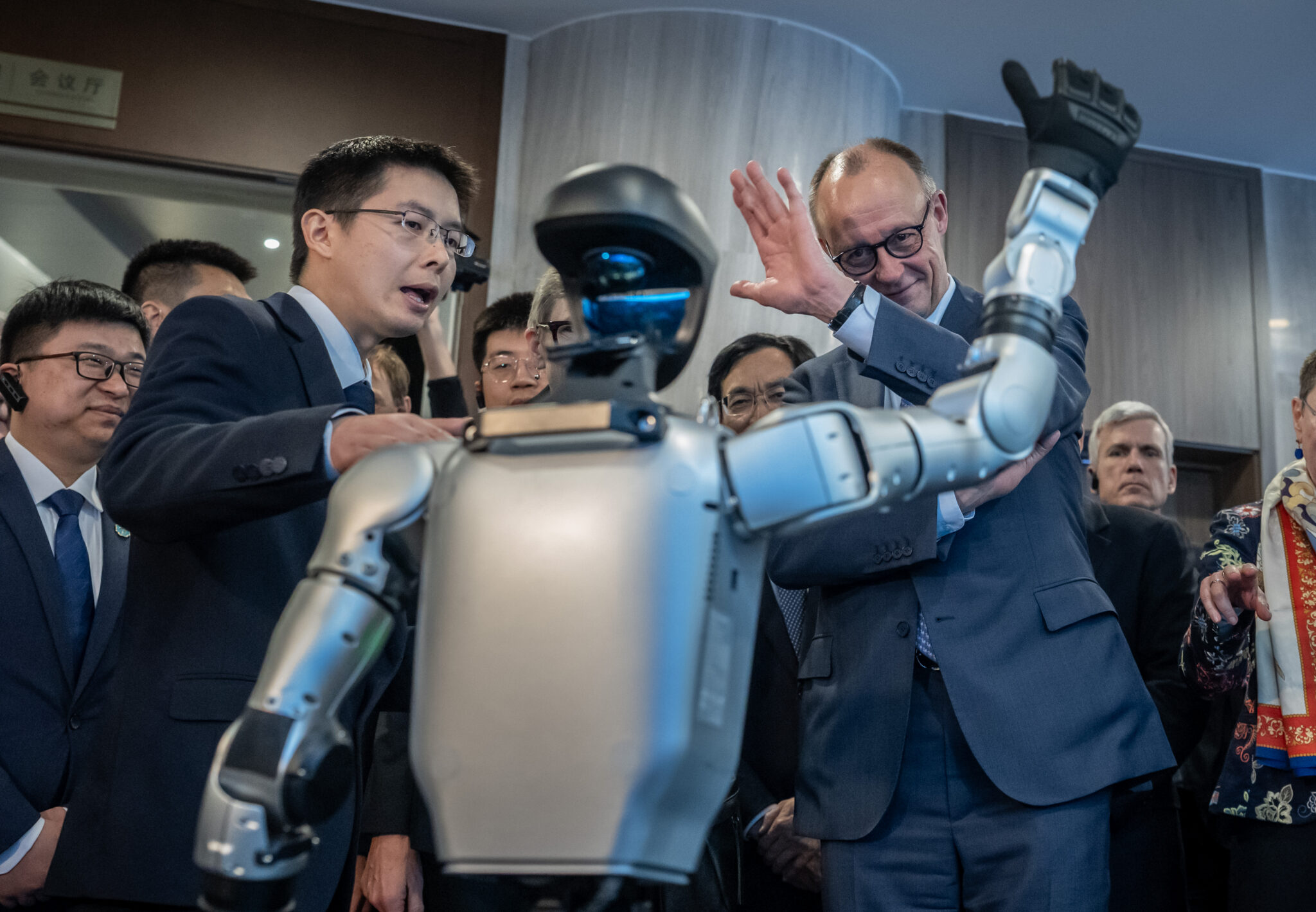
Wang is introverted, showed up at a 2025 business symposium hosted by Xi Jinping, and became enormously wealthy when Unitree listed on Shanghai's STAR Market on August 19.
He decides the screw lengths
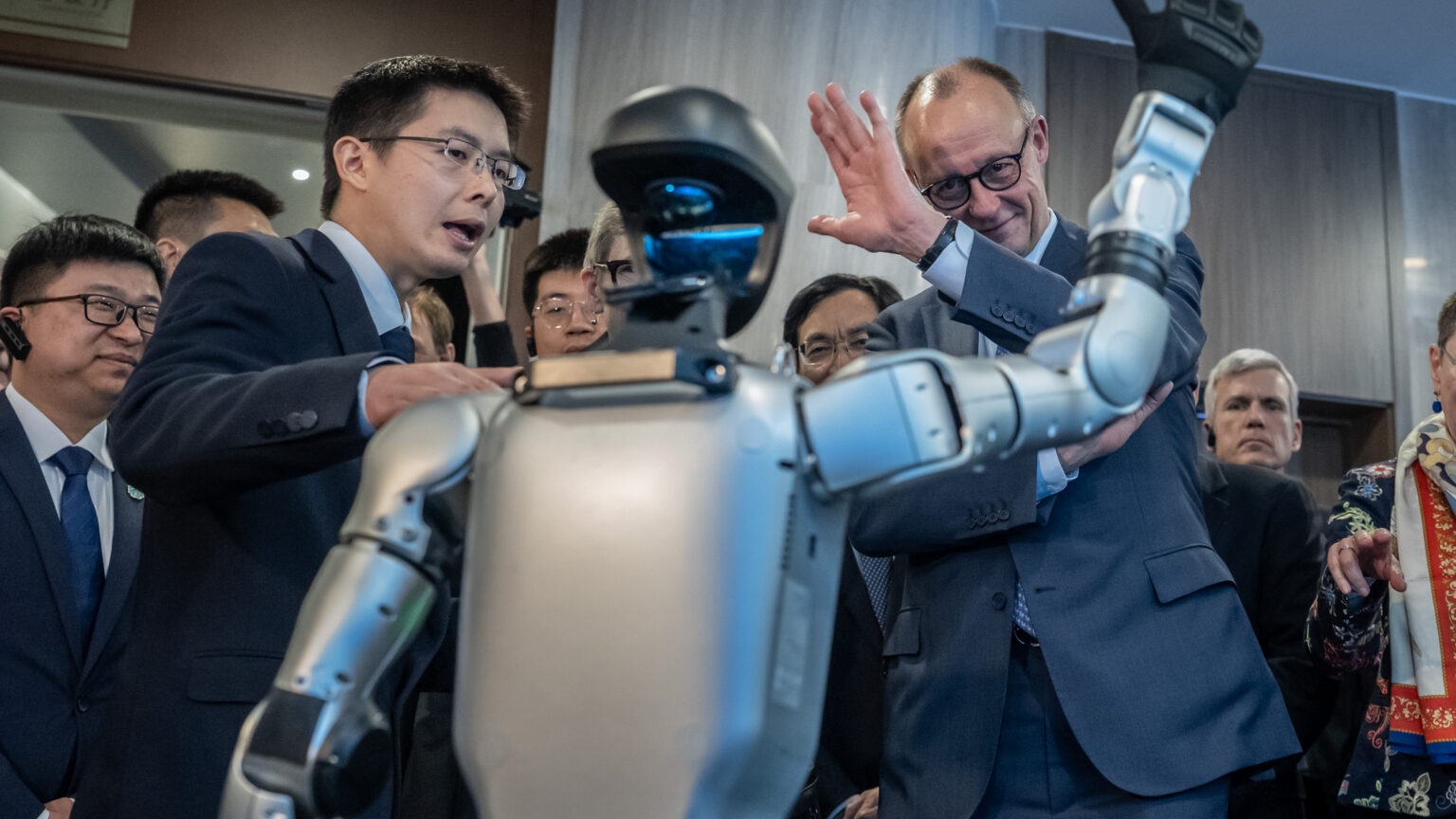
Employees and investors told Caijing Magazine that Wang personally signs off on nearly everything, down to material colors and the length of individual screws.
“The King of Unitree”
Obsession became a price tag
That detail focus plus relentless cost cutting produced the cheapest walking robots around. A baseline G1 for developers runs $13,500. The consumer R1 sells for $4,900.
Cheap had a cost
Return rates for repairs were described as extremely high in the early years. Employees say it has improved enough that robots now survive their six month or one year warranty.
Skeptic turned believer
Wang once dismissed large world models as too compute hungry. At the IPO he pitched physical AI reaching an autonomous loop of perception, decision, execution, evaluation, learning and evolution.
“autonomous loop of perception, decision, execution, evaluation, learning, and evolution”
Queue up for approval
Wang posts in work chats at 2 or 3 am, cuts people off mid sentence, and personally approves any expense over 100 yuan, about $15. With no formal management layer, staff line up for decisions.
Penalties, not rewards
Staff say the incentive system runs on criticism. People compare who got less of it, and every senior executive reportedly scored a 1 on a 0 to 1.5 scale. 2025 and 2026 brought record core staff attrition.
“seen the highest attrition of core staff in Unitree's history”
The scaling test
Unitree is past 480 employees and racing AgiBot and UBTECH. China expects to build over 100,000 humanoids in 2026, up from 14,000 worldwide in 2025. Micromanagement does not obviously stretch that far.
Buzz meets reality
Shares sit 50 percent below their peak at a roughly $30 billion valuation, customers are mostly universities, and a US import ban since July 28 shuts American researchers out entirely.
The bottom line
Unitree's price advantage comes from one founder controlling every hardware decision, which is exactly the habit that may not survive scale.