From Ars Technica · · 4m
Trump targets Smithsonian in culture war
The president is attacking America's premier history museum for exhibits he sees as ideologically driven, threatening its bipartisan legacy.
In brief
The president is attacking America's premier history museum for exhibits he sees as ideologically driven, threatening its bipartisan legacy. The Smithsonian's decades-long struggle to define its mission left it vulnerable to political attack, and its future now depends on who fills vacant board seats. Originally…
Franklin exhibit sparks controversy
A 2021 Smithsonian exhibit noted that Benjamin Franklin enslaved people and may have used them in electrical experiments. The exhibit closed in 2025 but remains online.
“Benjamin Franklin's remarkable scientific accomplishments were, in part, enabled by slavery.”
White House releases scathing report
In July, the Trump administration released a 162-page report accusing the Smithsonian of ideological capture and moving away from straightforward historical education toward extreme political activism.
Trump escalates pressure on museum
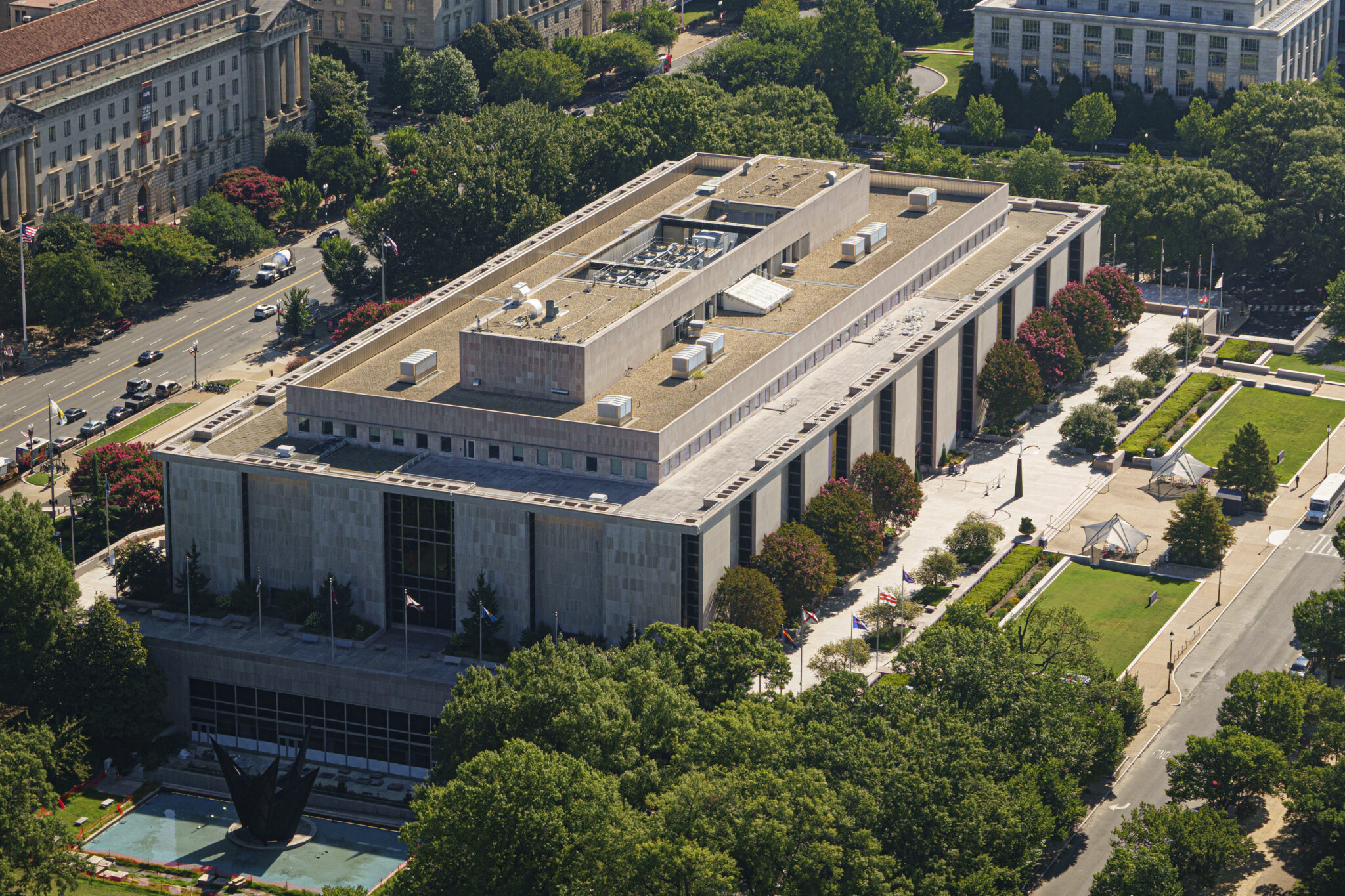
Trump signed executive orders declaring the Smithsonian had succumbed to race-centered ideology and instructing the Interior Department to erect warning signs about ideological capture at the museum.
Smithsonian leader steps down
Lonnie Bunch, the first African American secretary of the Smithsonian, announced his resignation in September at age 73, saying the situation had been stressful.
“it has been stressful”
Museum's identity crisis runs deep
The National Museum of American History opened in 1964 as a technology museum but was renamed in 1980, leaving it without a clear mission or unified approach to presenting history.
Decades of criticism about focus
In 1999, David Brooks criticized the museum for ignoring major American events and figures, calling it a museum of multicultural grievance that passed over vital history.
“This is a museum of multicultural grievance, which simply passes over any subject, individual, or idea, no matter how vital to American history, that does not have to do with the oppression of some ethnic outgroup or disfavored gender.”
Blue-ribbon commission recommends changes
In 2002, a commission led by Republican Richard Darman recommended the museum create a chronological exhibit celebrating American strengths while treating failures fairly and responsibly.
Curators resist great-man approach
Museum curators resisted the commission's recommendations, preferring episodic storytelling over chronology. Leading academic historians declined to help create an overarching narrative, fearing it could seem triumphalist.
Museum divides history into themes

The museum eventually organized exhibits around subjects like American Enterprise, American Democracy, and The Price of Freedom, each with standing displays exploring different aspects of national history.
Slavery addressed in business exhibit
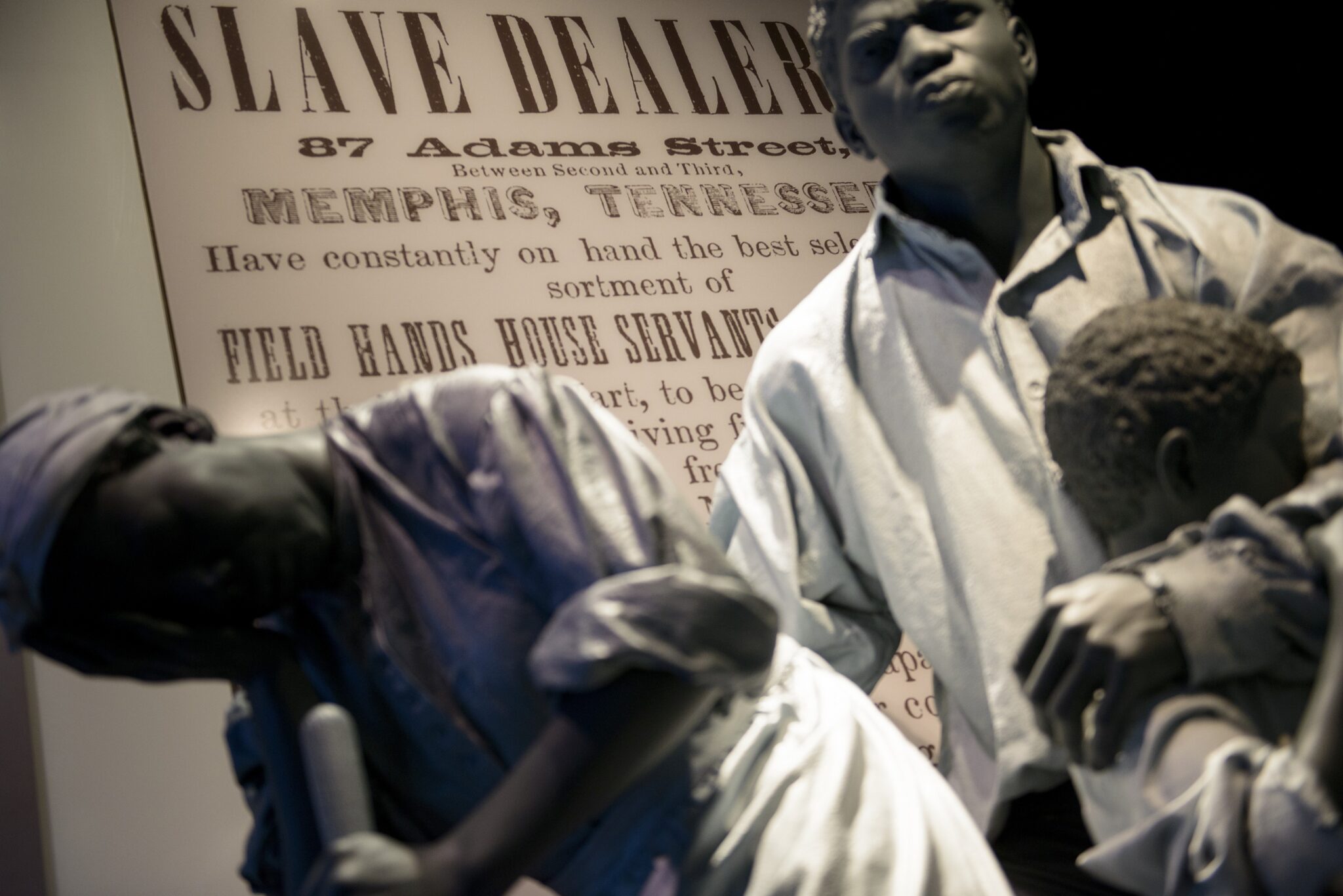
The American Enterprise exhibit includes an advertisement for slave traders and devotes significant space to slavery's role in American business, upsetting some donors.
2020 sparked institutional reckoning
After George Floyd's murder and the pandemic, Smithsonian leadership launched Smithsonian Cares and made diversity, equity, and inclusion central to the institution's mission and strategic priorities.
Republican board member warns of backlash
Garret Graves, a Republican congressman serving on the board in 2023 and 2024, warned repeatedly that there would be a day of reckoning for what he saw as ideological drift.
“I said over and over again that there's going to be a day of reckoning.”
Graves criticizes exhibits as agenda-driven
Graves said that seventy-five percent of the time he and fellow Republican Adrian Smith would tour exhibits and say they seemed to have an agenda rather than interpreting science or history fairly.
Controversial exhibits draw fire
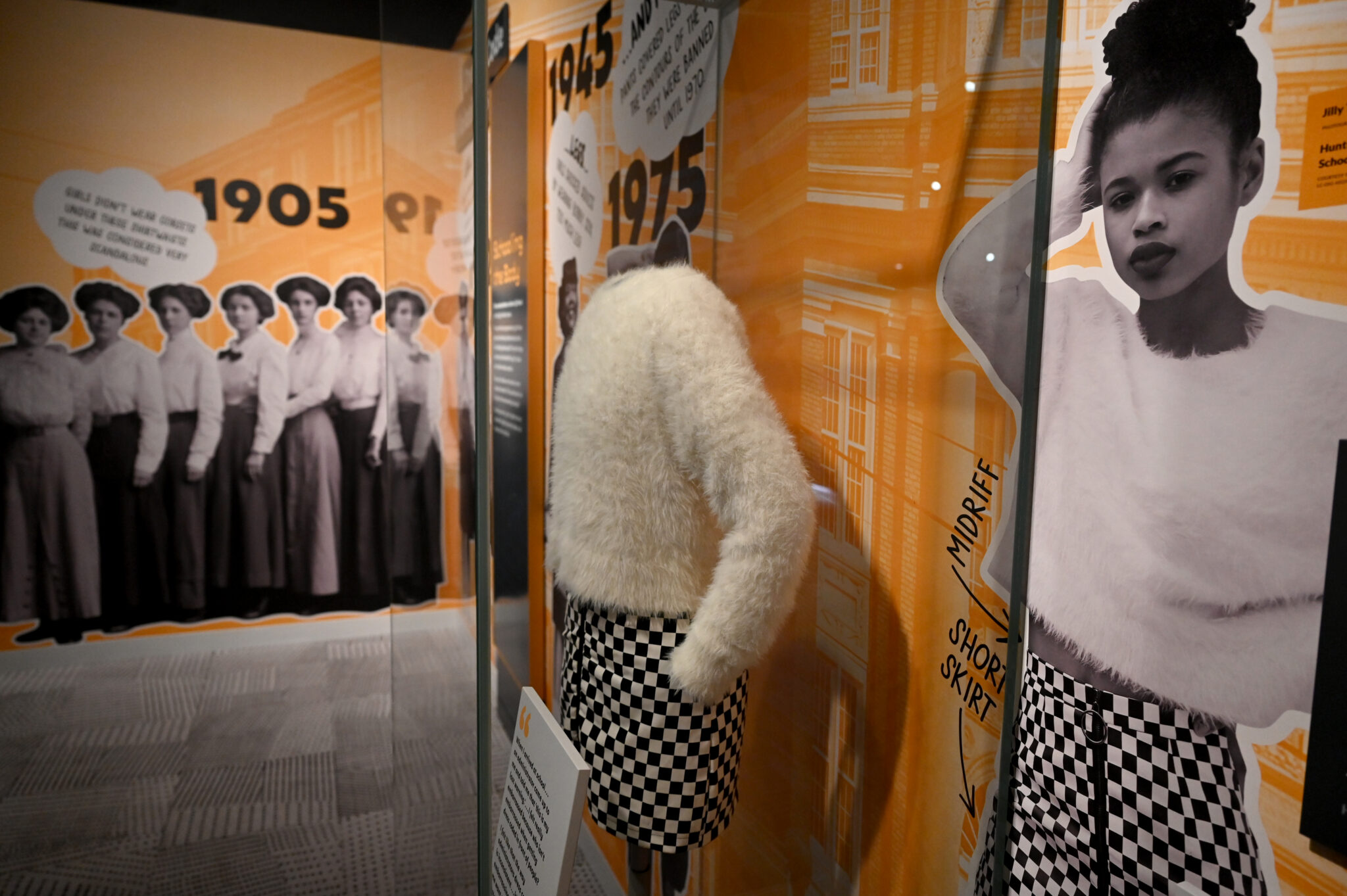
The White House report cited a girlhood exhibit including a six-year-old's diary expressing gender confusion and a gay history exhibit displaying a sadomasochistic crotch harness.
Congressional hearings turn combative
In late July, two House committees held heated hearings where Republicans lambasted director Anthea Hartig over explicit content, while Democrats compared the attacks to Nazi censorship.
Hartig faces aggressive questioning
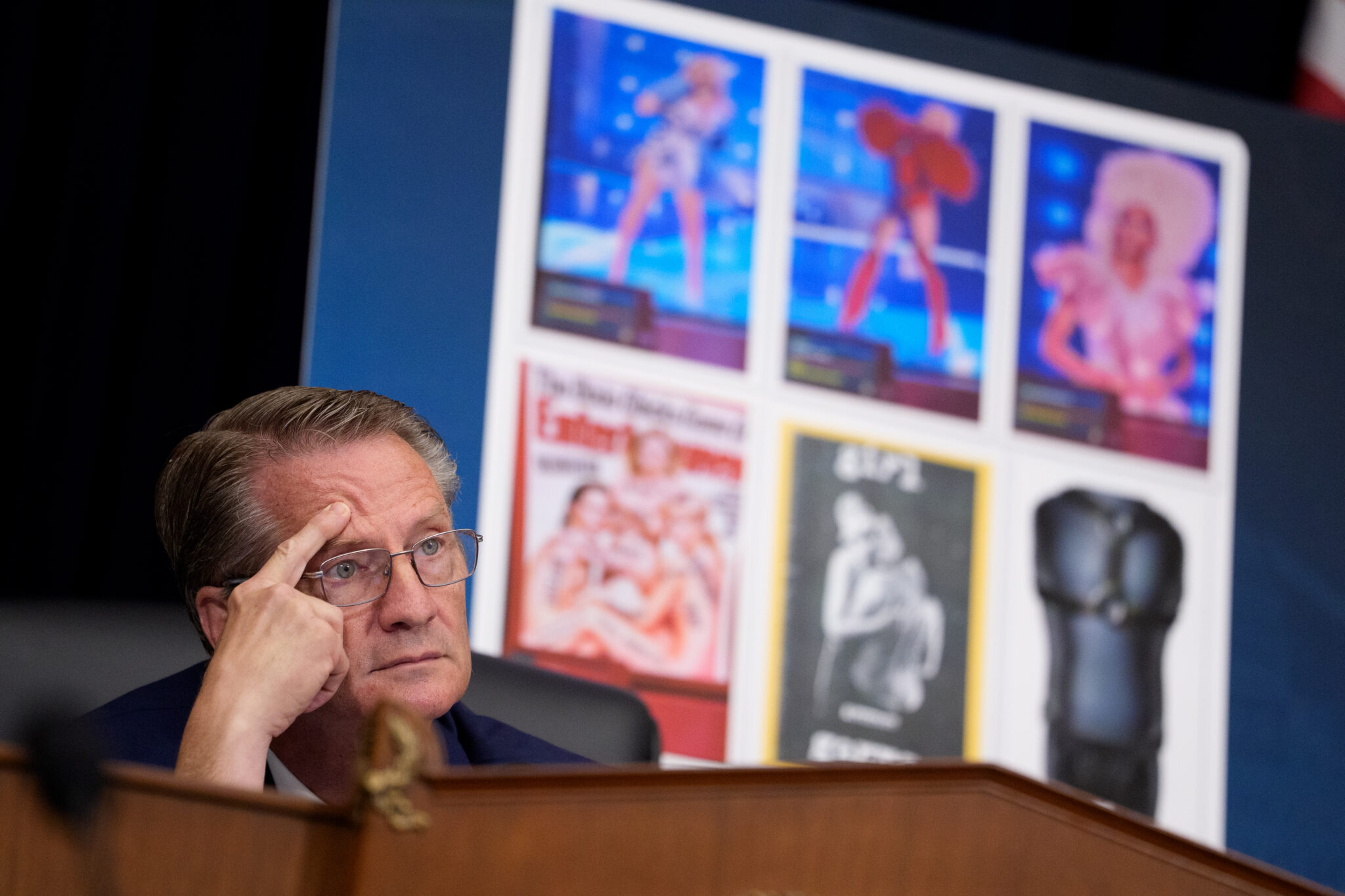
Rep. Tim Burchett displayed images of the crotch harness and asked Hartig if sexual fetish images were appropriate for children. Rep. Nancy Mace pressed for a yes-or-no answer.
“Are images of sexual fetishes appropriate for children? Yes or no?”
Democrats defend museum fiercely
Rep. David Blight compared the White House attacks to Nazi censorship. Rep. Kweisi Mfume vowed to sacrifice his life to prevent the museum's destruction.
“We will not let you destroy that museum. No matter how long it takes, how many battles are required, how much effort is needed, we will not allow that to happen unless you find a way to kill all of us and walk over our bodies to change history.”
Board seats vacant, future uncertain
Three of nine citizen board slots are vacant with three more opening soon. Whoever fills them will help choose Bunch's replacement and determine the institution's future direction.
Chief Justice Roberts holds key power
Chief Justice John Roberts leads the Board of Regents and his level of engagement will significantly influence how the Smithsonian navigates the current crisis and institutional changes ahead.
Institution's bipartisan legacy at stake
For decades the Smithsonian maintained support across party lines as guardian of American history. That consensus has now shattered as Trump uses the museum as a battleground in the culture war.
The takeaway
The Smithsonian's decades-long struggle to define its mission left it vulnerable to political attack, and its future now depends on who fills vacant board seats.


