From CNBC · Priyanka Salve · · 2m
India's free payments system is about to charge
The world's largest real-time payment network will start charging merchants, ending a decade of free digital transactions.
In brief
The world's largest real-time payment network will start charging merchants, ending a decade of free digital transactions. India's UPI system, which made digital payments free and ubiquitous, will now charge merchants 0.4% on transactions above $20, creating a $2.5 billion revenue opportunity for fintech companies…
India's free payments system ends
Starting next month, merchants will pay 0.4% to accept UPI payments above $20. Person-to-person transactions stay free.
UPI processes 1.1 million transactions per minute
India's unified payment interface handles over 1.1 million transactions every two minutes, making it the world's largest real-time payments system by volume.
A decade of free digital payments

In 2020, India cut merchant fees to zero to promote cashless transactions. UPI transaction value increased tenfold to 213 trillion rupees over six years.
“UPI made digital payments feel like cash for the user: instant, universally accepted, and free at the point of use.”
Fintech companies celebrate the change

Amazon Pay, WhatsApp Pay, and Paytm support the fee structure, saying it preserves zero-cost adoption for consumers while generating merchant revenue.
“UPI's success was built on zero-cost adoption by consumers, small shopkeepers, and micro-enterprises, and the notified MDR framework preserves that foundation.”
Critics call it a hidden tax
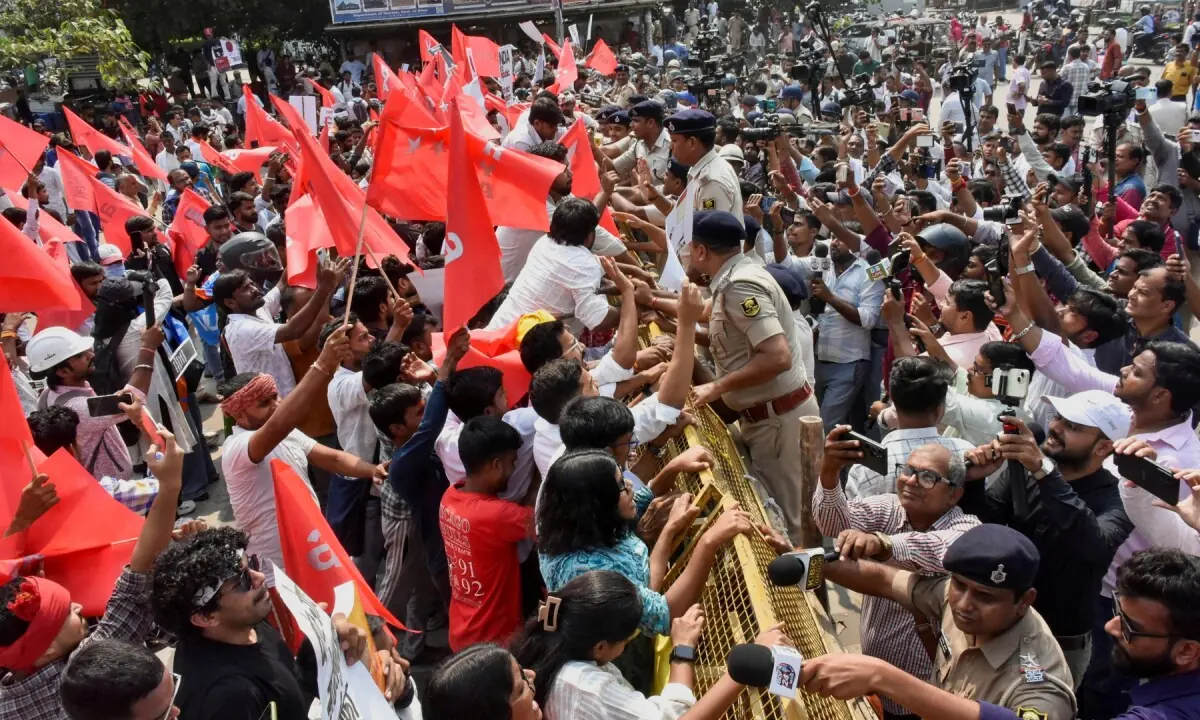
Opposition parties and fintech leaders argue the fee contradicts the government's description of UPI as a digital public good and may push people back to cash.
“Any levy on UPI is just tax collection.”
US pressure theory emerges
India's opposition party claims the government is favoring American companies like PhonePe and Google Pay. The US Trade Representative flagged concerns about UPI excluding foreign payment suppliers.
UPI dominates India's digital payments

UPI accounts for 85% of digital payments in India and 50% globally, surpassing Visa in daily transaction volumes as of January.
PhonePe and Google Pay benefit most

The two apps handle 85% of UPI transactions by value and 81% by volume. The new fee structure strengthens their unit economics without helping Visa or Mastercard.
A $2.5 billion revenue opportunity
Transactions above $20 represent just 4% of merchant volumes but 67% of transaction value, unlocking a highly lucrative revenue pool for banks and fintech companies.
Fee undercuts card networks significantly
At 0.4%, UPI's merchant fee severely undercuts credit cards at 1.5% to 2% and debit cards at 0.9%, giving merchants strong incentive to favor UPI.
“A 0.4% rate severely undercuts credit cards at 1.5% to 2% and debit cards.”
Fintech companies shift business models

Without zero merchant fees, fintech companies like PhonePe and Google Pay can now rely less on cross-selling financial products and more on direct payment revenue.
What to remember
India's UPI system, which made digital payments free and ubiquitous, will now charge merchants 0.4% on transactions above $20, creating a $2.5 billion revenue opportunity for fintech companies.