From Climbing · The Editors · · 1m 50s
Indigenous Names Behind Iconic Climbing Areas
Indigenous tribes named North American climbing spots long before European settlers.
In brief
Indigenous tribes named North American climbing spots long before European settlers. Indigenous peoples have deep historical connections to iconic climbing areas, with names and stories that predate colonialism. Originally reported by Climbing.
Indigenous Names Behind Iconic Climbing Areas
Indigenous tribes named North American climbing spots long before European settlers.
Payahuunadü (Bishop)
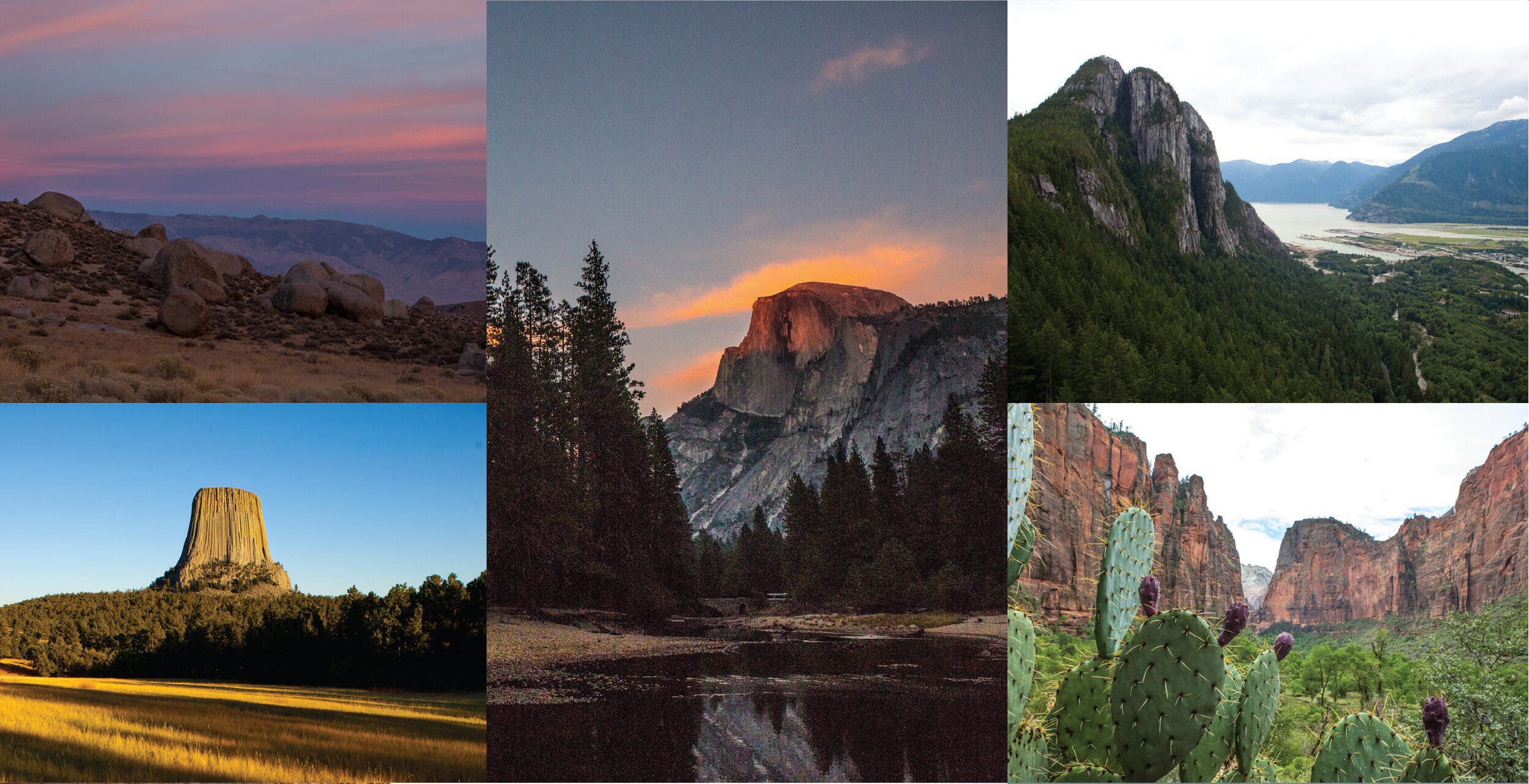
Paiute people call Payahuunadü 'land where water flows' and use boulders for wedding ceremonies.
Ahwahnee (Yosemite)
Miwok named Yosemite's granite formation after an inchworm that rescued boys or bears.
Skwxwú7mesh (Squamish)
Skwxwú7mesh people recount stories of Xwechtáal fighting a two-headed serpent named Sínulhka.
Mato Tipila (Devils Tower)
Lakota story describes how a bear chased girls to a rock formation, creating Bear’s Lodge.
Mukuntoweap (Zion)
Southern Paiute called Zion Canyon 'quiver' and 'straight canyon' before Mormon renaming.
Indian Creek
Indian Creek has been home to Hopi, Dine, Ute, Zuni, and Puebloan peoples for over 10,000 years.
Shawangunks
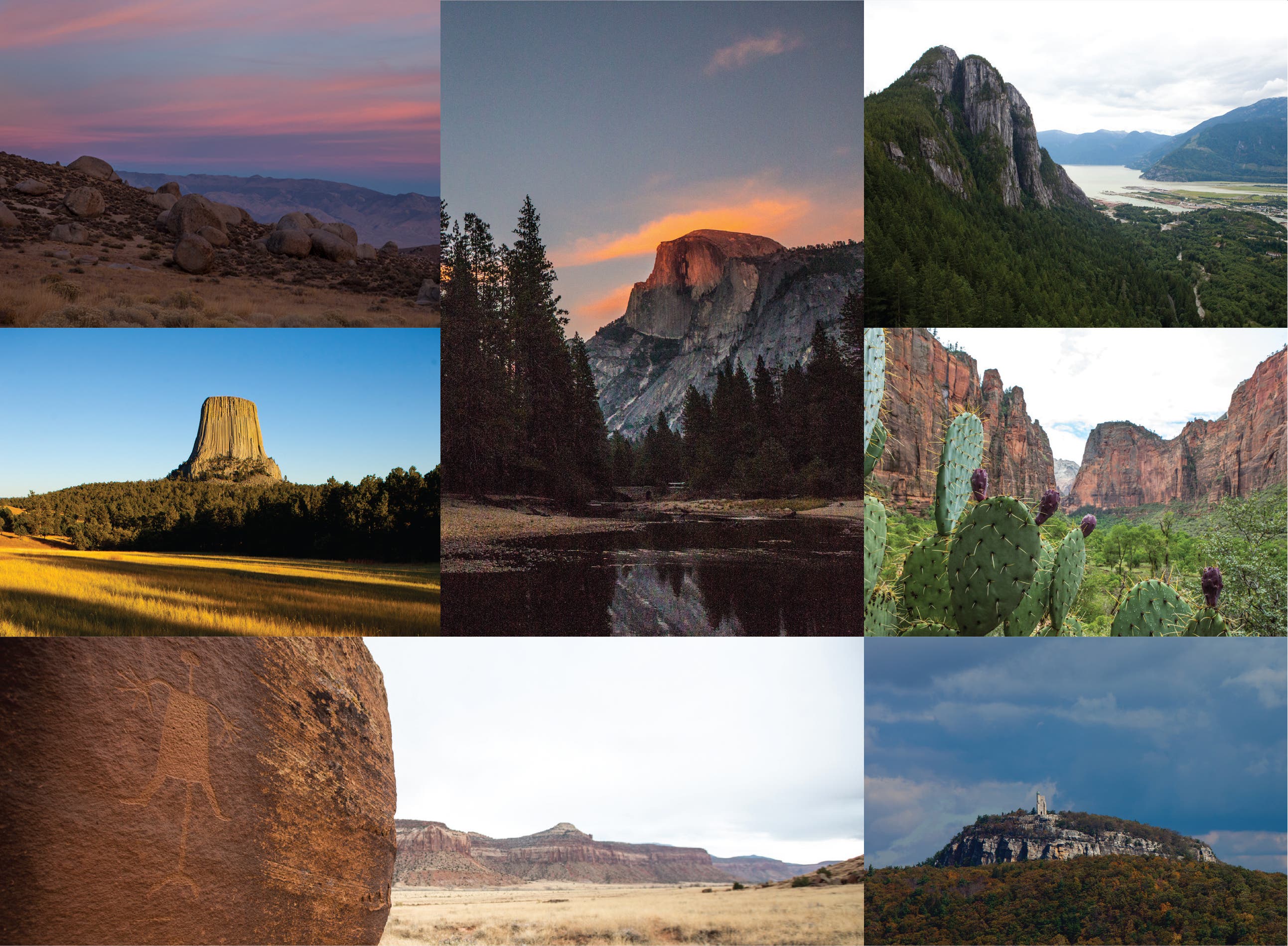
Shawangunks cliffs were originally named by Lenape people as 'in the smoky air' before displacement.
Indigenous Names and Lore
Indigenous peoples have oral histories to correct colonial naming of climbing areas.
Cultural Centers and Apps
Cultural centers like Paiute-Shoshone Cultural Center and apps like Native Lands provide heritage info.
Indigenous Perspectives
Indigenous climbers say understanding land history helps become respectful stewards.
Colonial Name Changes
European settlers renamed climbing areas, displacing Indigenous peoples and altering histories.
Mato Tipila Closure
National Park Service asks climbers to avoid Mato Tipila in June for tribal ceremonies.
Historical Context
Indigenous tribes have lived on climbing areas for millennia before European contact.
Modern Impact
Climbers can connect with land through Indigenous perspectives and land acknowledgments.
Indigenous Voices
Indigenous leaders emphasize understanding land history for respectful climbing practices.
Here's the gist
Indigenous peoples have deep historical connections to iconic climbing areas, with names and stories that predate colonialism.