From Daily Maverick · Lindsey Schutters · · 3m
Pizza shops and coffee bikes reshape franchise ownership
Entrepreneurs are redesigning franchise models to lower costs, expand access and reflect local markets across South Africa and beyond.
In brief
Entrepreneurs are redesigning franchise models to lower costs, expand access and reflect local markets across South Africa and beyond. New franchise models are lowering startup costs and expanding ownership opportunities by combining brand standards with local autonomy and independent equipment ownership. Originally…
Food franchises dominate South Africa's trillion-rand sector
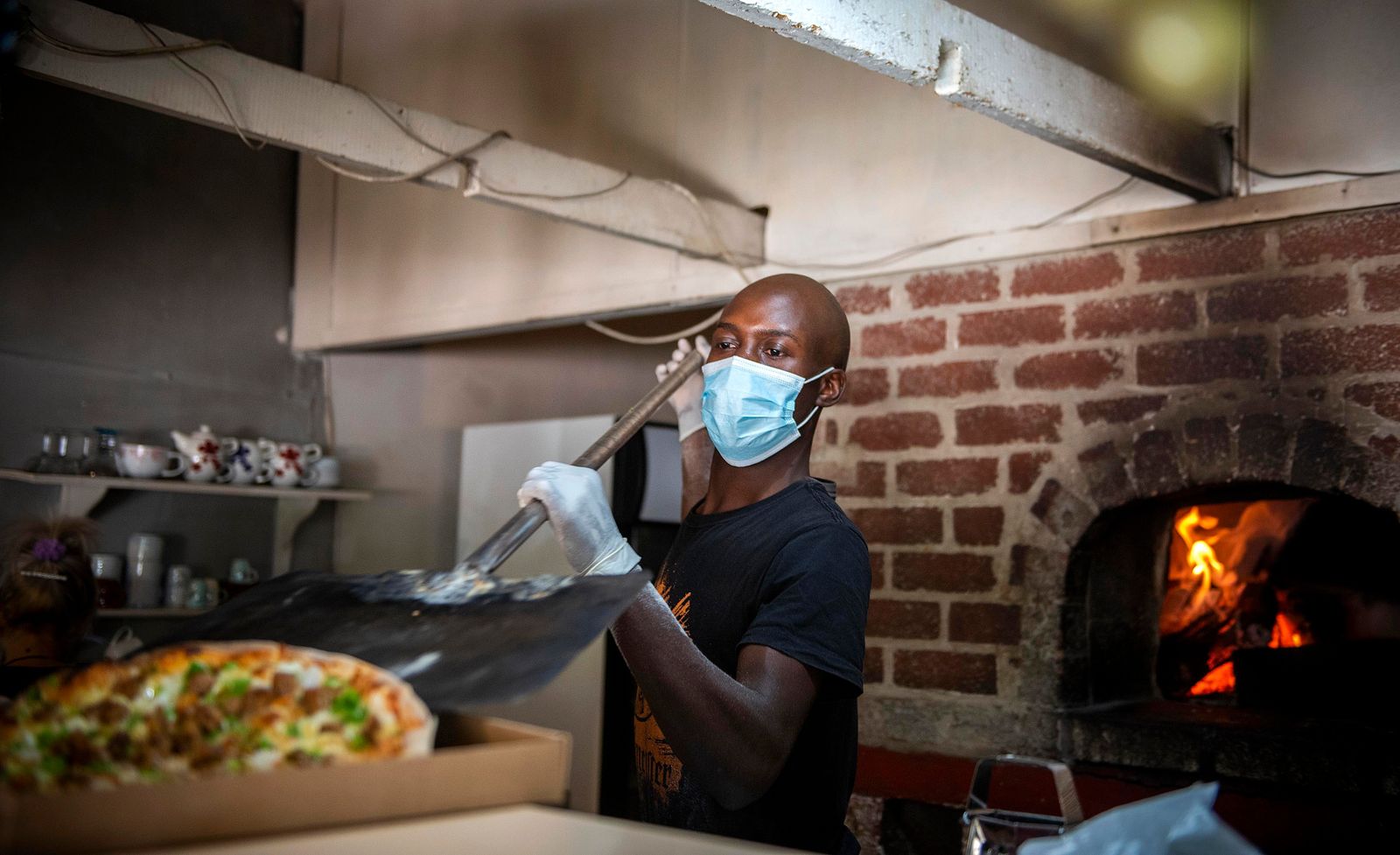
About one in five rands earned in South Africa's franchising sector comes from food businesses. The sector does an estimated one trillion rands in turnover annually, roughly three percent of GDP.
Col'Cacchio cuts startup costs with digital-first model
Col'Cacchio, operating for more than thirty-two years, introduced the Col'Cacchio Go model.Small-format, click-to-collect and delivery-centric stores reduced capital requirements from six to eight million rands to two to two point five million rands per outlet.
Col'Cacchio CEO reframes franchisees as partners
Col'Cacchio group CEO Etienne Pieterse told Daily Maverick he eliminated the word franchisee. He said strict national quality standards for core commodities work alongside localised autonomy for regional produce and wood sourcing.
“I got rid of the word franchisee. I hate that word because franchisee means parent/child and that's not what our business is.”
Local autonomy preserves community identity
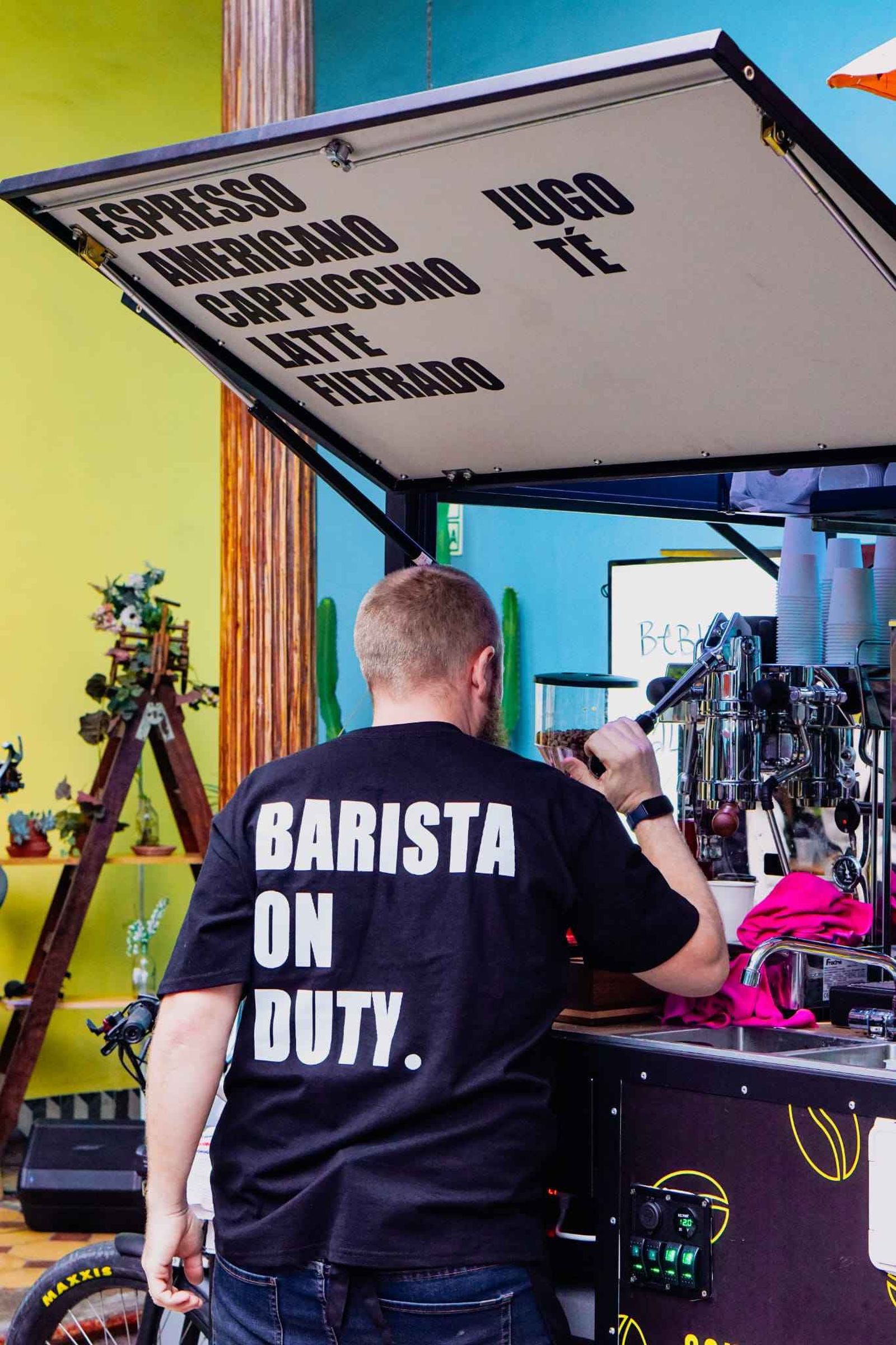
Store owners in Kimberley source fresh produce and wood locally, choosing between wattle and blue gum, rather than forcing central logistics from Cape Town. Store owners maintain signature menu pages unique to their location.
Coffee Bike World eliminates franchise fees entirely
Vladislav Priadko founded Coffee Bike World after operating bikes in Vancouver from two thousand seventeen. He structured expansion around eliminating recurring franchisor fees, ongoing royalties and mandatory purchasing obligations for owners.
Coffee Bike World expands with independent ownership
Coffee Bike World has distributed thirty-six mobile units across thirty-one independent owners in Canada, the US and Peru. Initial capital purchase includes specialised mobile equipment, operational training and supply chain access.
Priadko: owners build their own brand locally
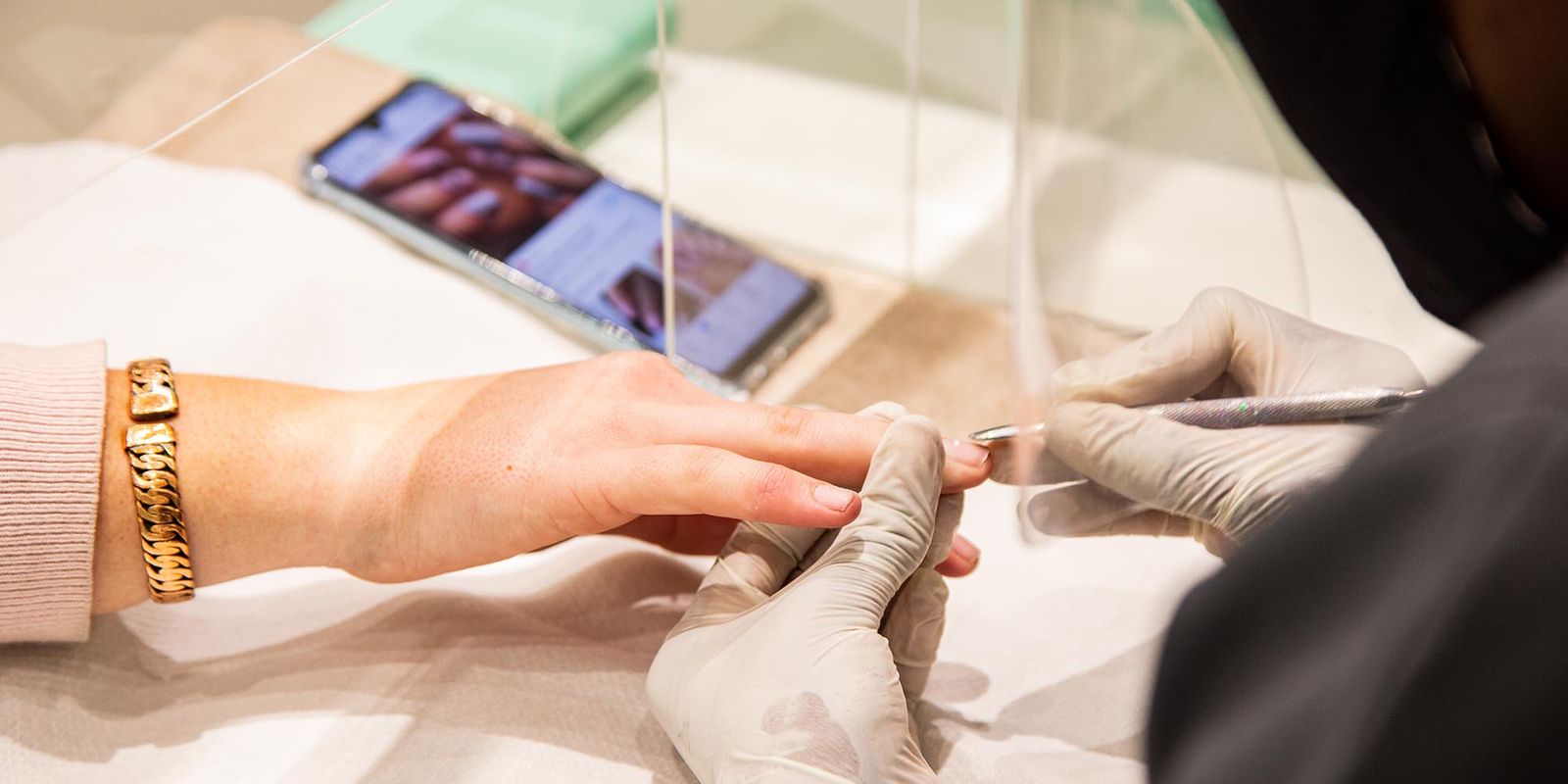
Vladislav Priadko told Daily Maverick that with Coffee Bike World's model, owners retain control over their business and benefit from relationships and reputation they develop locally, while the company provides equipment, training and support.
“With our model, I believe the owner should be able to build their own brand and benefit from the relationships and reputation they develop locally.”
WAXIT creates internal pathway to franchise ownership
WAXIT, founded in two thousand fifteen by Michelle Royston, operates forty-nine branches under traditional franchise model with setup costs around one point seven million rands. Royston established a micro-franchise incubation pathway for long-serving team members.
WAXIT mentors internal staff over five-year period
Long-serving WAXIT team members demonstrating operational excellence receive mentorship in financial discipline, operational governance and secured funding support over a structured five-year period before moving into franchise co-ownership.
Royston: building legacy through staff empowerment
Michelle Royston told Daily Maverick WAXIT was built to empower people, not sell services. Two long-standing internal leaders, Thuli Ngwenya and Precious Matabane, moved into joint franchise store co-ownership under the pilot programme.
“I want to build a legacy, not an empire.”
Franchise sector faces operational and staffing challenges
Fasa's two thousand twenty-three industry survey found sixty percent of franchisors identify escalating operating costs as critical challenge, forty-five percent flag franchisee-related operational issues and forty-two percent cite staff recruitment, training and retention difficulties.
South Africa's franchise ownership remains severely skewed
South Africa has more than eight hundred franchisor brands, more than three thousand five hundred individual franchisees and upwards of thirty thousand franchised outlets.
New models could bridge ownership participation gap
Black citizens make up more than eighty percent of South Africa's national population yet remain significantly disproportionate in franchise ownership. Changing franchise models and how businesses work could help bridge the identified ownership gap.
The key point
New franchise models are lowering startup costs and expanding ownership opportunities by combining brand standards with local autonomy and independent equipment ownership.