From Dailymail · · 4m
Homeowners fear mansion tax expansion in Budget
UK property owners face potential tax on homes worth over £2 million from 2028, with fears the threshold could drop to £1.5 million.
In brief
UK property owners face potential tax on homes worth over £2 million from 2028, with fears the threshold could drop to £1.5 million. A new annual mansion tax starting in 2028 could ensnare hundreds of thousands of homeowners, particularly in London and the South-East, with the government potentially lowering the…
Mansion tax set to hit homeowners
From April 2028, UK homeowners with properties worth over £2 million will pay an annual surcharge on top of council tax, ranging from £2,500 to £7,500 per year.
243,000 homes could be affected
Property experts warn the government could expand the tax by lowering the threshold from £2 million to £1.5 million, potentially catching 243,000 additional homes in the net.
Budget announcement expected soon
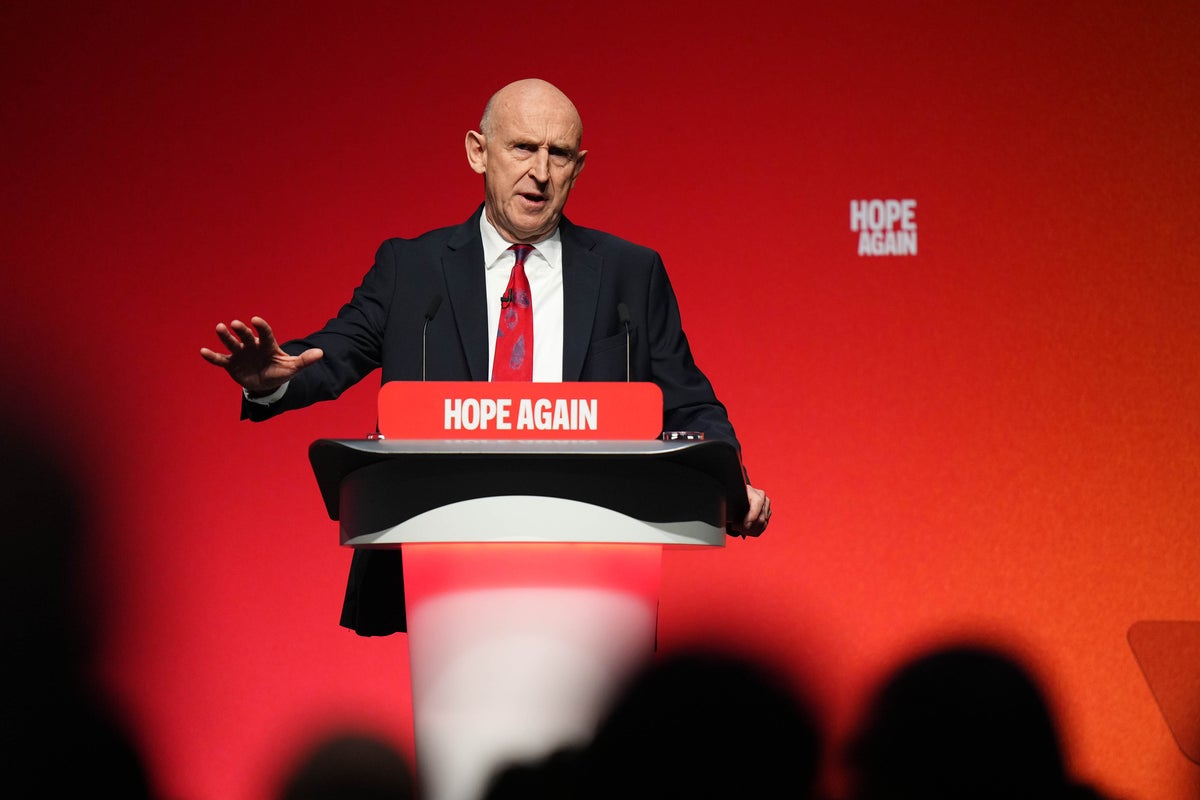
Chancellor John Healey is considering the threshold cut for the October 28 Budget as he seeks to plug a reported £14 billion shortfall in government finances.
Consultation details still unpublished
The government launched a consultation earlier this year on how the tax will work, but has not yet released details, fueling speculation about potential changes.
Experts expect threshold to fall
Legal and property experts believe the government will chip away at the threshold over time, with £1.5 million seen as the likely next target without further consultation.
“Once legislation goes through, it is easy to pull the levers to catch more homeowners in the tax net without further consultation.”
South-East properties most at risk
About 85 percent of homes that could be hit by the mansion tax are in London and the South-East, where property values are highest.
Tax officials can inspect homes
HMRC's Valuation Office Agency will conduct internal inspections of properties to determine their value, checking for scenic views, conservatories, and large garages. Refusing an inspection can result in a £200 fine.
Homeowners consider drastic measures
Some residents say they would brick up scenic views to lower their home's assessed value, echoing tactics used to avoid the 19th century window tax.
Mike and Jennifer Dunn's story
The retired couple bought a £740,000 Mayfair flat in 2000 for retirement access to London's culture and transport. They now face potential tax on a property they never intended to sell.
“We are not richer for having a home worth as much as £2million because we don't plan on selling it.”
Widow Anne Hubble's concerns
The 84-year-old purchased her Sidcup home in 1981 for £80,000 and renovated it over decades. She fears the tax could force her to sell despite poor health making a move dangerous.
“I have blood cancer and fear having to downsize at my age would be traumatic and may kill me.”
Anne's financial squeeze
Anne already pays £3,600 annually in council tax and £380 monthly for winter heating. She survives on state pension and savings with no room for additional charges.
Patricia Kirk's farm dilemma
The 76-year-old widow bought her six-acre East Sussex farm for £65,000 in 1982 and spent years renovating it. She fears losing her home without her late husband's pension income.
Tax targets property, not income
Patricia argues the mansion tax is unfair because it ignores actual income levels. She earns modestly from her cattery and state pension, yet faces a tax based solely on property value.
Equity release complicates matters
Patricia used equity release a decade ago to access £200,000 from her home to pay off a loan. The tax could force her to release more equity, reducing her inheritance.
Prison threat is real but unlikely
Non-payment of the mansion tax surcharge could theoretically lead to committal to prison, but only as a last resort after other debt recovery methods fail and willful refusal is proven.
Tax could harm property sales
Dennis R., an 84-year-old artist, worries the mansion tax will make it harder to sell homes even for those forced to downsize, as buyers will factor in the annual surcharge.
Revenue doesn't justify costs
The mansion tax is estimated to raise £430 million annually, but property experts argue this is a rounding error compared to the billions the government already collects and the cost of implementation.
“This is all about politics, as the cost of introducing it means it does not make economic sense.”
Government defends the tax
A government spokesman says the surcharge will apply to less than 1 percent of properties in England, positioning it as a targeted measure affecting only the wealthiest homeowners.
“This surcharge will apply to less than 1 per cent of properties in England.”
The one thing
A new annual mansion tax starting in 2028 could ensnare hundreds of thousands of homeowners, particularly in London and the South-East, with the government potentially lowering the threshold in the October Budget.