From Dallas Express · Dallas Express · · 1m 40s
Federal Judge Rules Warrantless Flock Search Violated Fourth Amendment
Federal judge orders prosecutors to exclude evidence from warrantless vehicle searches using Flock Safety license plate readers.
In brief
Federal judge orders prosecutors to exclude evidence from warrantless vehicle searches using Flock Safety license plate readers. A federal judge ruled that a deputy's warrantless search of historical vehicle location records via Flock Safety violated the Fourth Amendment, requiring prosecutors to exclude the evidence…
Federal judge rules warrantless flock search violated fourth amendment
U.S. District Judge Sara E. Hill ruled that a deputy violated the Fourth Amendment by searching historical vehicle-location records without a warrant through license plate reader systems including Flock Safety.
“This is a type of indiscriminate mass surveillance”
Deputy searched vehicle records without warrant
Tulsa County Deputy Sheriff Freddie Alaniz queried Flock and VehicleManager systems for a month of vehicle records across multiple states without a warrant.
Kyle claimed vehicle was rental
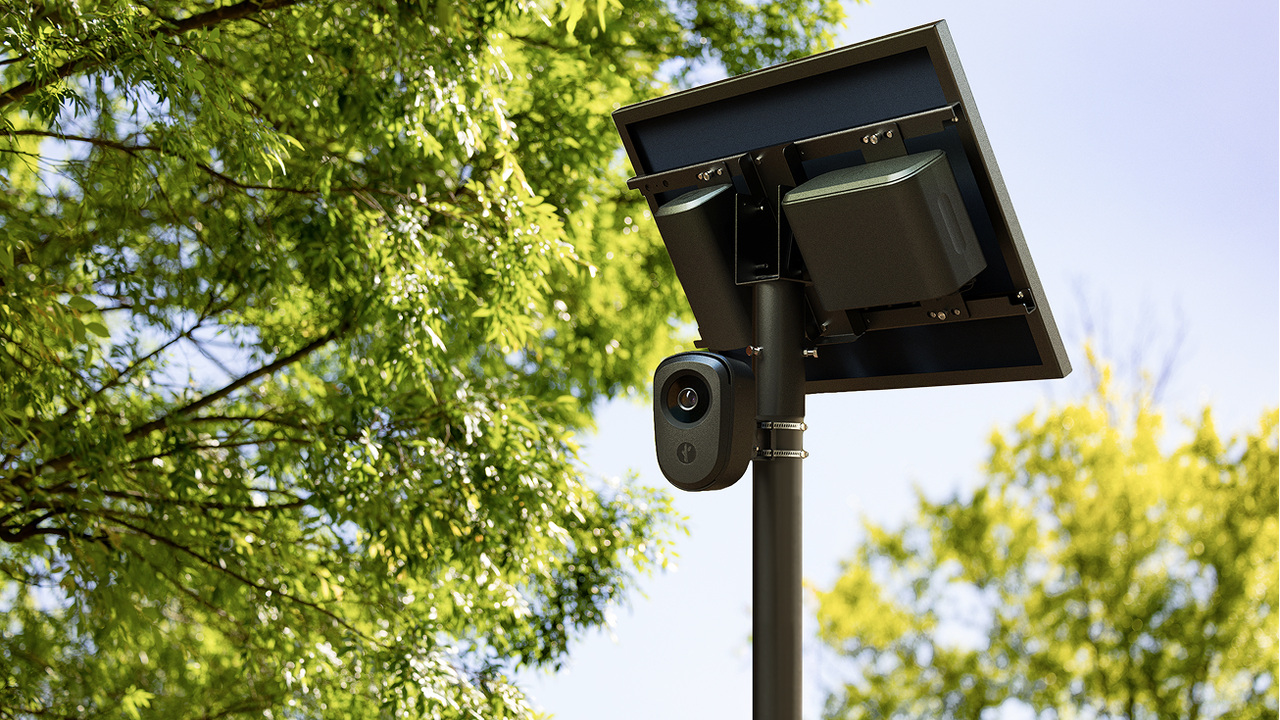
Kyle told Alaniz the Mazda SUV was a rental, but the records tracked the vehicle rather than independently establishing who drove it at every sighting.
Judge found no reasonable suspicion
Hill upheld the initial traffic stop but found the deputy lacked reasonable suspicion to prolong it for a drug investigation.
Government argued no privacy expectation
The government claimed drivers have no reasonable expectation of privacy in license plates and movements visible on public roads.
Judge distinguished individual vs. broad search
Hill distinguished individual observations from a broad database search of historical movements, concluding the search intruded on Kyle's reasonable expectation of privacy.
Flock expects appeal
Flock Safety spokesman Paris Lewbel stated the company expects an appeal and reversal of the ruling.
Different precedent applies in Texas
The Fifth Circuit ruled in March that license plate reader use in Texas did not constitute a Fourth Amendment search requiring a warrant.
The main idea
A federal judge ruled that a deputy's warrantless search of historical vehicle location records via Flock Safety violated the Fourth Amendment, requiring prosecutors to exclude the evidence.





