From Dallas Express · Dallas Express · · 2m
HHS shifts research toward human biology, away from animals
The Department of Health and Human Services is funding new methods to replace animal testing with human organoids, AI, and tissue models.
In brief
The Department of Health and Human Services is funding new methods to replace animal testing with human organoids, AI, and tissue models. HHS is investing in human-based research methods to reduce reliance on animal testing while maintaining safety standards for medical products. Originally reported by Dallas Express.
HHS launches 20+ initiatives to reduce animal testing
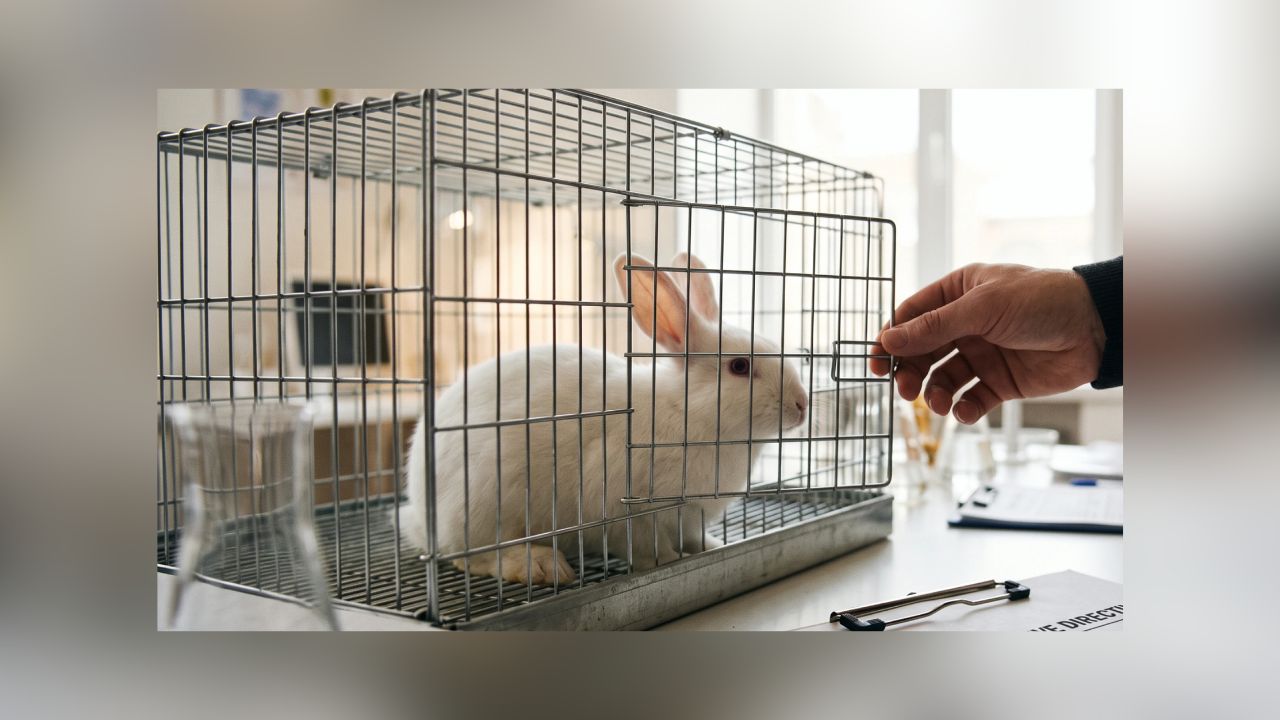
The Department of Health and Human Services announced a series of agency-wide initiatives to expand human-based research and reduce reliance on animal testing. The efforts include human organoids, tissue models, AI, and computational modeling.
“We are moving HHS toward a new era of biomedical research that puts human biology at the center of science.”
NIH funds $88 million in human-based research projects
The National Institutes of Health announced $88 million in funding for biomedical infrastructure projects and $7 million in awards for quantum-enabled approaches to new research methods. NIH will establish a laboratory combining human organoid models, robotics, AI, and advanced data capabilities.
“NIH is building the scientific infrastructure needed to develop, validate, and scale technologies that better reflect human biology.”
NIH closes last beagle lab, recruits human-science experts
The National Institutes of Health closed its last intramural beagle laboratory and now allows grant funding to be used to retire or rehome research animals. The agency is recruiting grant reviewers with expertise in human-based science.
FDA clarifies non-animal testing is acceptable
The Food and Drug Administration issued a rule clarifying that non-animal testing may be used where appropriate for product safety testing. The rule removes language suggesting animal testing is the only acceptable way to generate safety information for regulatory decisions.
“FDA is modernizing its regulatory framework so developers can use the best science available to demonstrate that medical products are safe and effective.”
FDA changes expected to spare millions of animals
The FDA's changes are expected to spare hundreds of non-human primates and more than 1 million horseshoe crabs annually. The agency has also issued guidance to reduce animal studies during drug development and established programs to evaluate new research methods.
CDC reduces animal colonies, places primates in sanctuaries
The Centers for Disease Control and Prevention is reducing its laboratory animal colony and adding additional review of proposed animal research. CDC is also working to place healthy non-human primates in qualified sanctuaries and conducting more than a dozen studies using new research methods.
ARPA-H invests in AI to predict drug safety
The Advanced Research Projects Agency for Health is investing in artificial intelligence and computational modeling through its CATALYST program. The initiative aims to improve predictions of drug safety, optimize dosing, and reduce reliance on preclinical animal testing.
The short version
HHS is investing in human-based research methods to reduce reliance on animal testing while maintaining safety standards for medical products.