Afghanistan opium poppy cultivation surges despite Taliban ban
UN reports Afghan opium poppy fields quadrupled to 43,000 hectares after Taliban ban.
In brief
UN reports Afghan opium poppy fields quadrupled to 43,000 hectares after Taliban ban. UNODC says Afghanistan's opium poppy cultivation jumped fivefold to 1,500 tonnes despite Taliban ban, with farmers relying on the crop for survival. Originally reported by Dawn.
UN reports opium poppy surge
UNODC says Afghan opium poppy cultivation more than quadrupled in 2026 despite Taliban government ban.
Cultivated areas jump to 43,000 hectares
Cultivated areas reached 43,000 hectares (around 106,200 acres) up from 10,000 hectares in 2025.
Opium production jumps fivefold
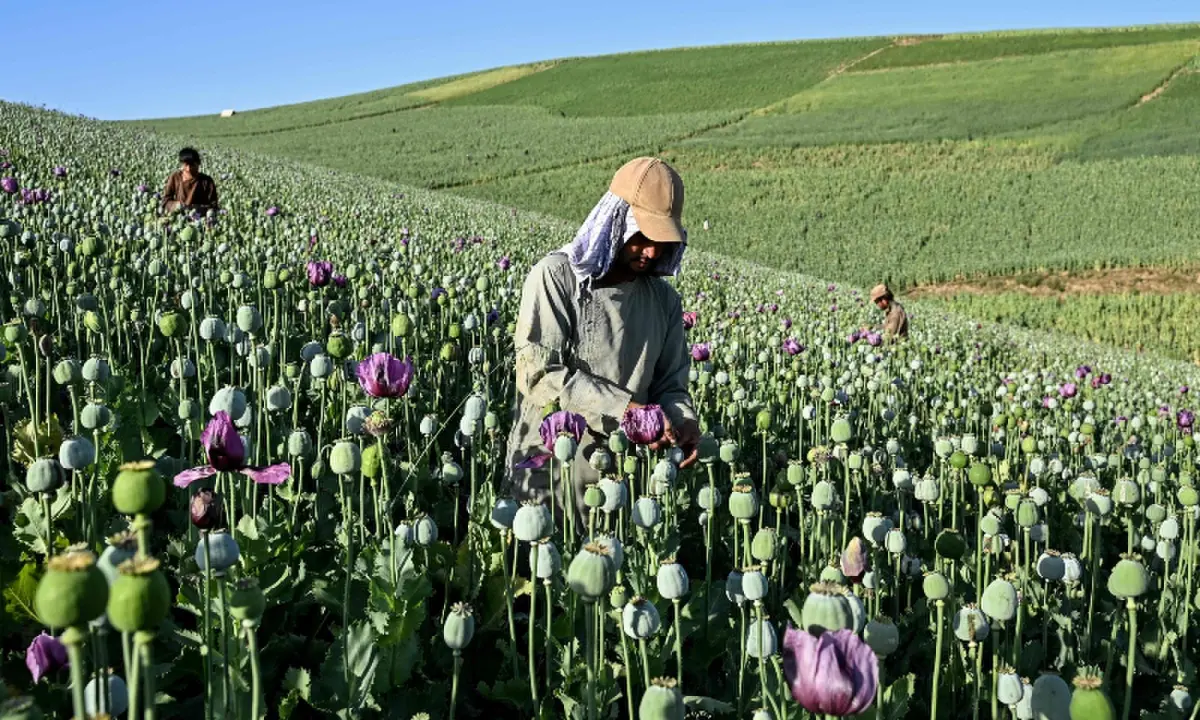
Estimated opium production jumped fivefold from 300 tonnes to 1,500 tonnes.
Taliban ban crushed trade
Afghanistan was overtaken by Myanmar after 2022 Taliban government ban crushed the trade.
Farmers return to poppy trade
Rampant poverty has driven some farmers to return to opium trade despite Taliban threats.
Farmer Mohammad's struggle
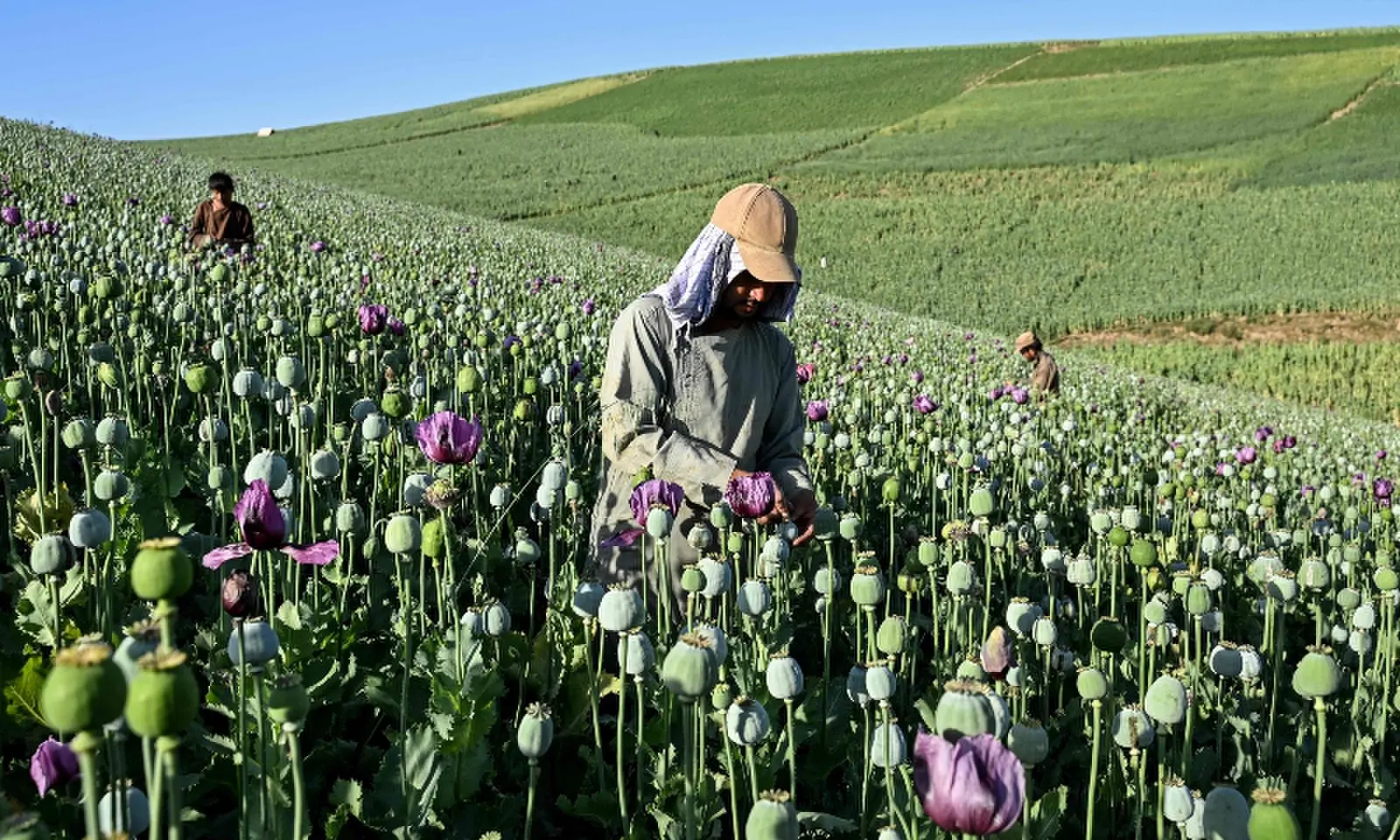
Mohammad, a 22-year-old farmer in Afghanistan's northeast, says without opium he cannot afford basic food.
Taliban threats and crop destruction
Taliban threaten farmers and sometimes destroy crops but farmers continue growing poppies.
Opium income vs wheat income
One hectare of wheat generated $770 in 2023 compared with $10,000 for poppy.
Opium prices remain high
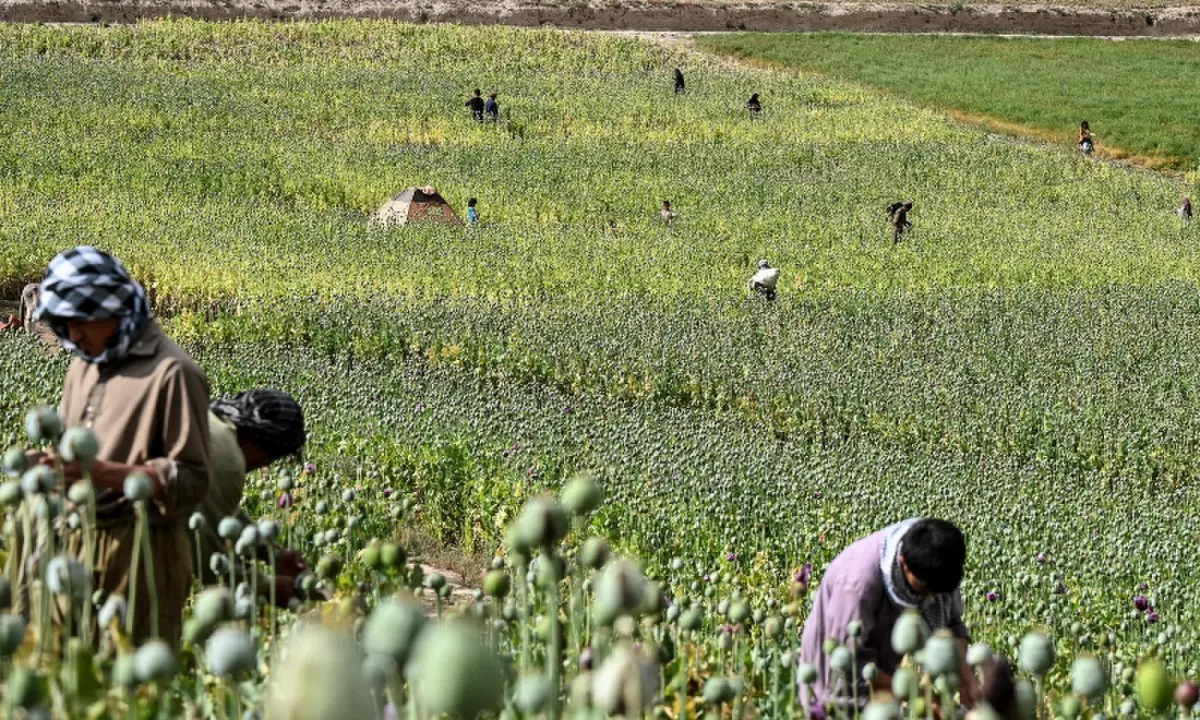
Opium prices slightly decreased from $570 per kilogramme in 2025 to $500 per kilogramme in 2026.
UNODC director's warning
UNODC Executive Director Monica Juma says fourfold increase shows difficulty in sustaining decreases in illicit opium cultivation.
Taliban acknowledges ban limitations
Taliban government acknowledges ban is not a sustainable long-term solution without alternatives.
International problem
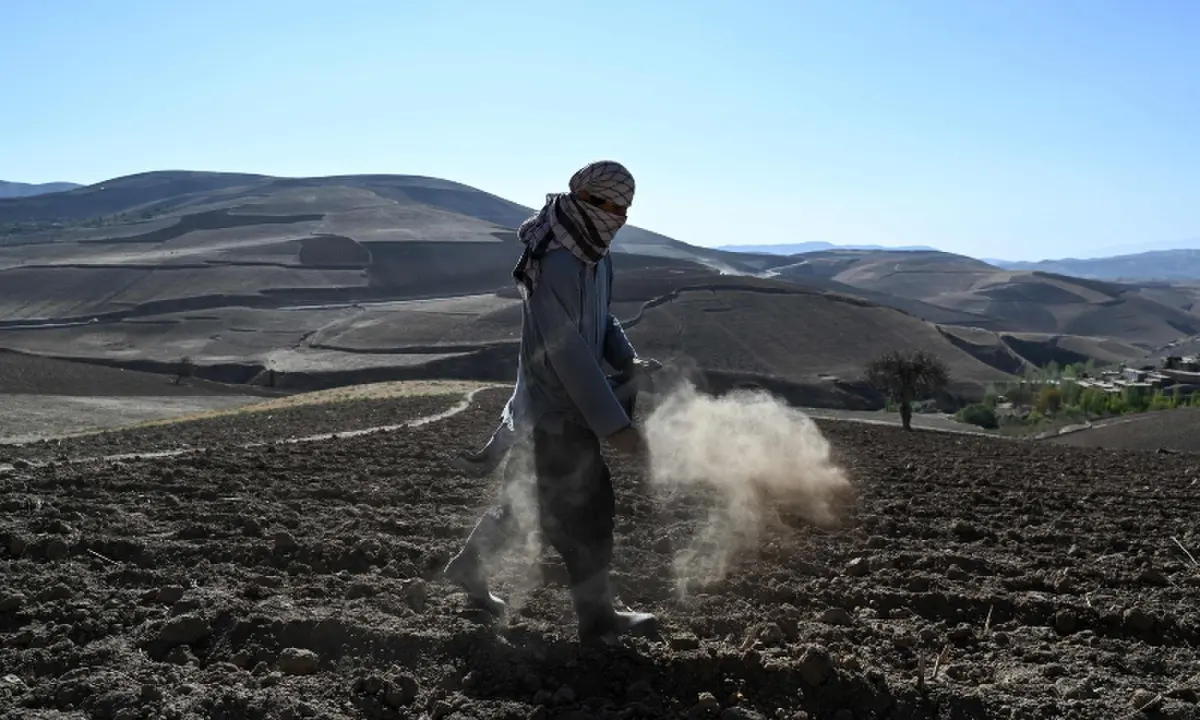
Afghan opium is main source of heroin in EU where 850,000 people used opioids in 2024.
Sustainable alternatives need more
Sustainable alternative livelihood requires markets, infrastructure, roads, irrigation, storage.
Funding gap for alternatives
UNODC estimates $500m needed for alternatives but only 10pc funded by donors and Taliban.
In short
UNODC says Afghanistan's opium poppy cultivation jumped fivefold to 1,500 tonnes despite Taliban ban, with farmers relying on the crop for survival.