From Digital Camera World · · 4m
Canon EOS R8 Mark II fixes the big stuff
Canon’s new entry full-frame mirrorless adds IBIS, a joystick, and better handling, but battery life still lags.
In brief
Canon’s new entry full-frame mirrorless adds IBIS, a joystick, and better handling, but battery life still lags. The R8 Mark II keeps the original’s strong sensor and speed, then adds stabilization and better controls, making the weak battery the main catch. Originally reported by Digital Camera World.
A better R8
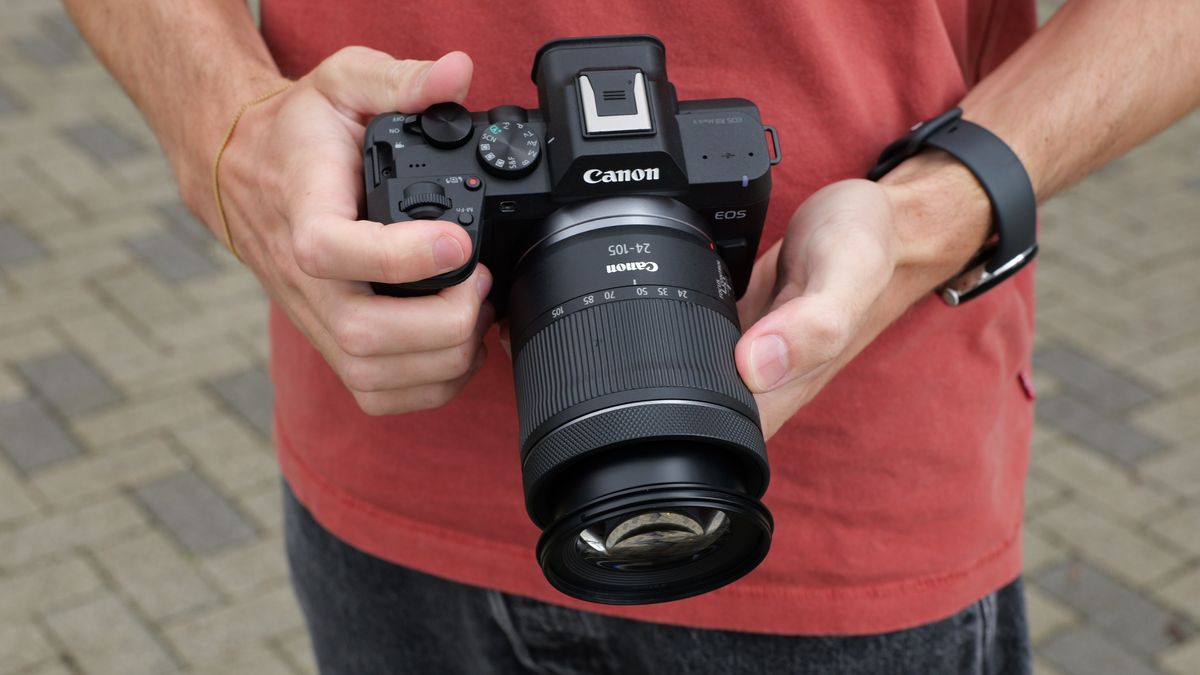
Canon kept the R8’s 24.2MP sensor and Digic X processor, then fixed major complaints with in-body stabilization and a joystick.
“The result is an entry-level full-frame camera that feels far from basic.”
Still not perfect
Image quality and 40 fps shooting remain strong, with a bigger buffer. Battery life is still rated at 220 shots, and IBIS adds some weight.
“The one thing that wasn't fixed? The battery life sadly remains the same as the original.”
Retro, but restrained
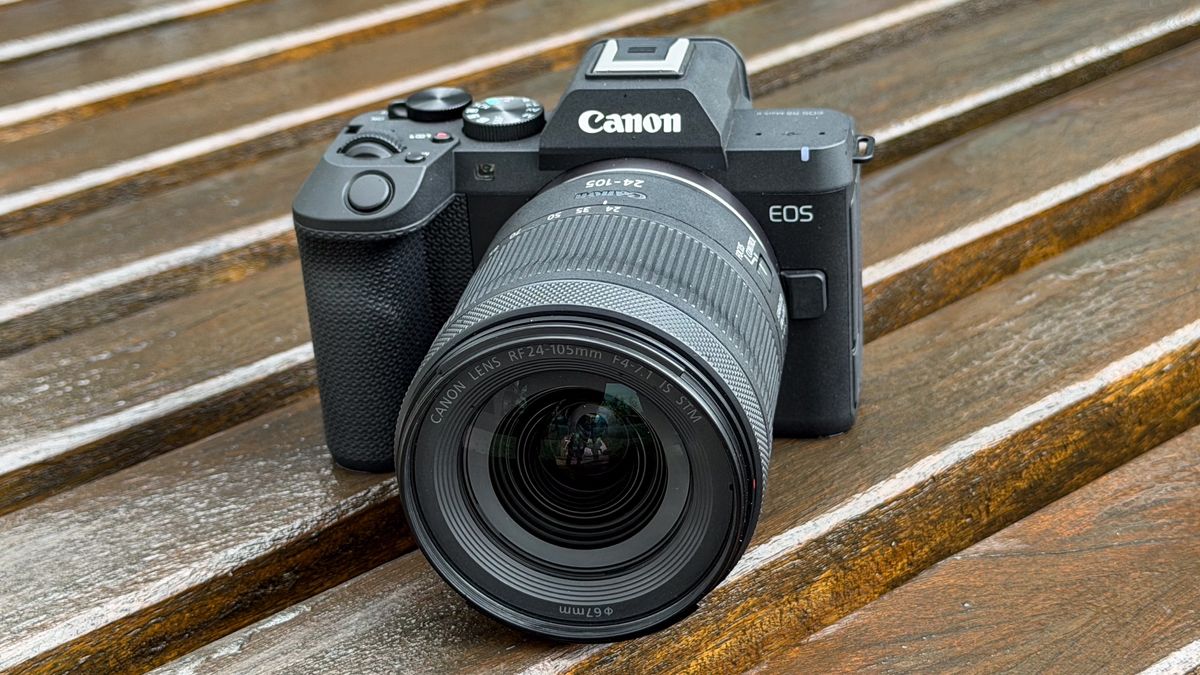
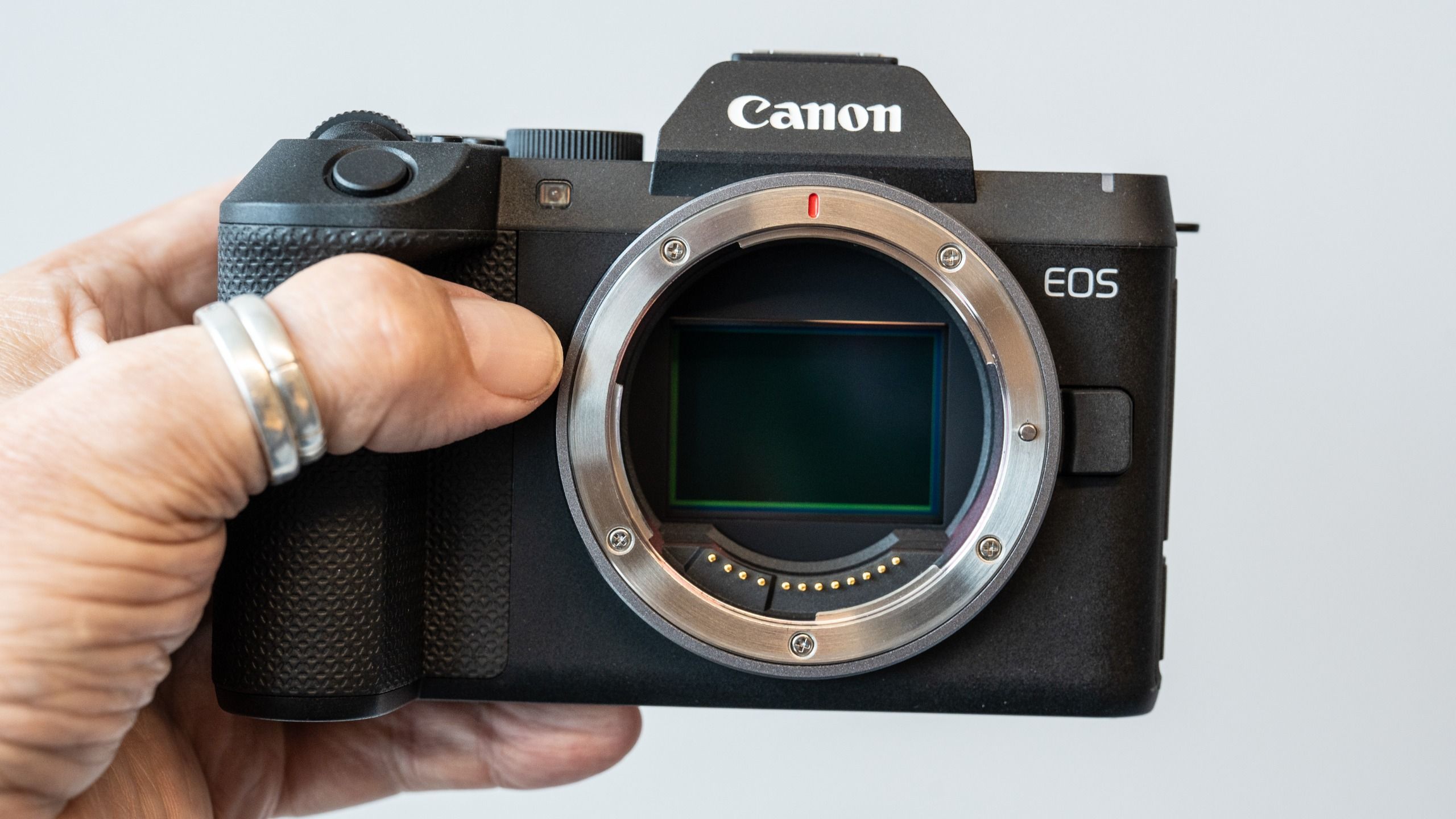
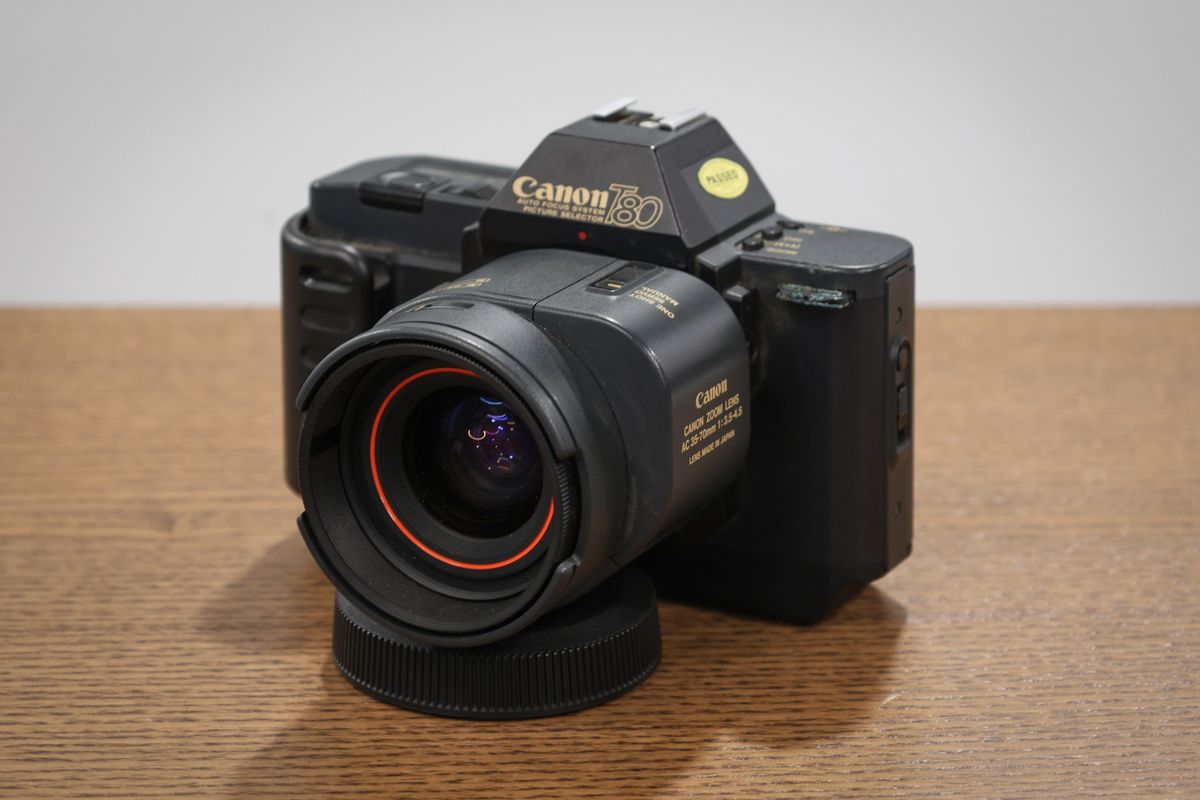
The Mark II takes cues from Canon’s 1985 T80 film SLR, using sharper angles instead of the softer look of many 1970s-inspired retro cameras.
“The R8 Mark II doesn’t scream retro but rather has a more subtle nod to the old camera”
Grip comes first
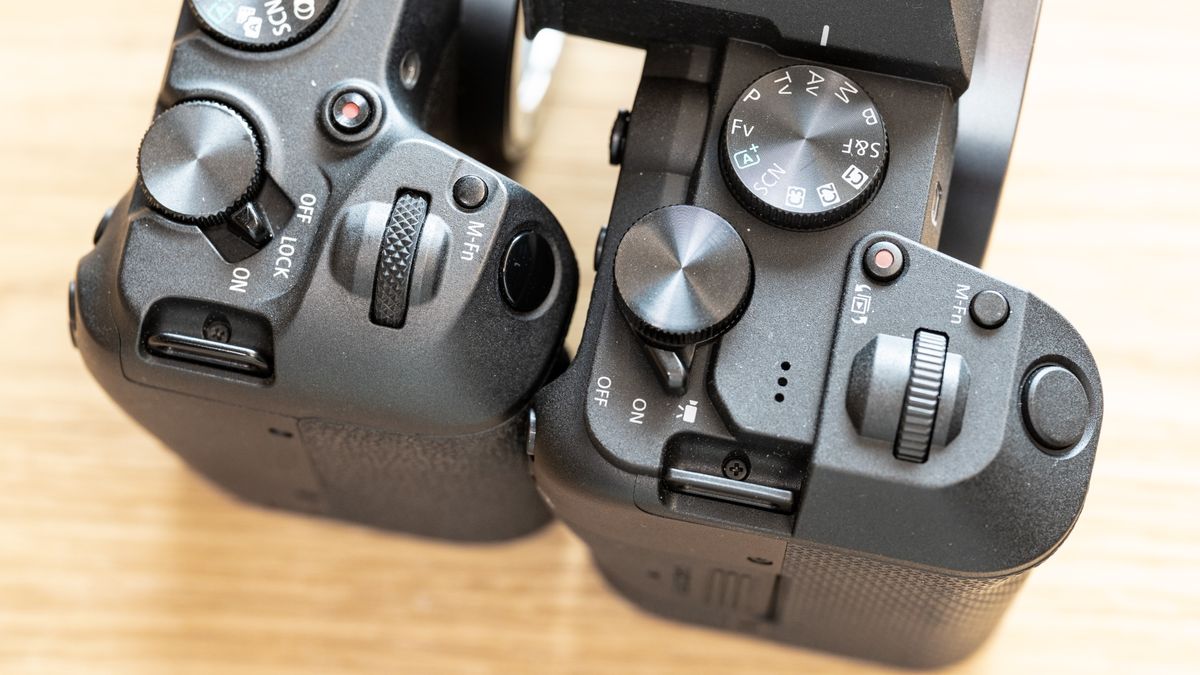
Canon did not chase nostalgia at the expense of handling. The grip stays deep enough for comfort, even with a 100-400mm lens attached.
“the body still does what Canon does best, and that’s to create a very comfortable grip.”
Joystick finally arrives
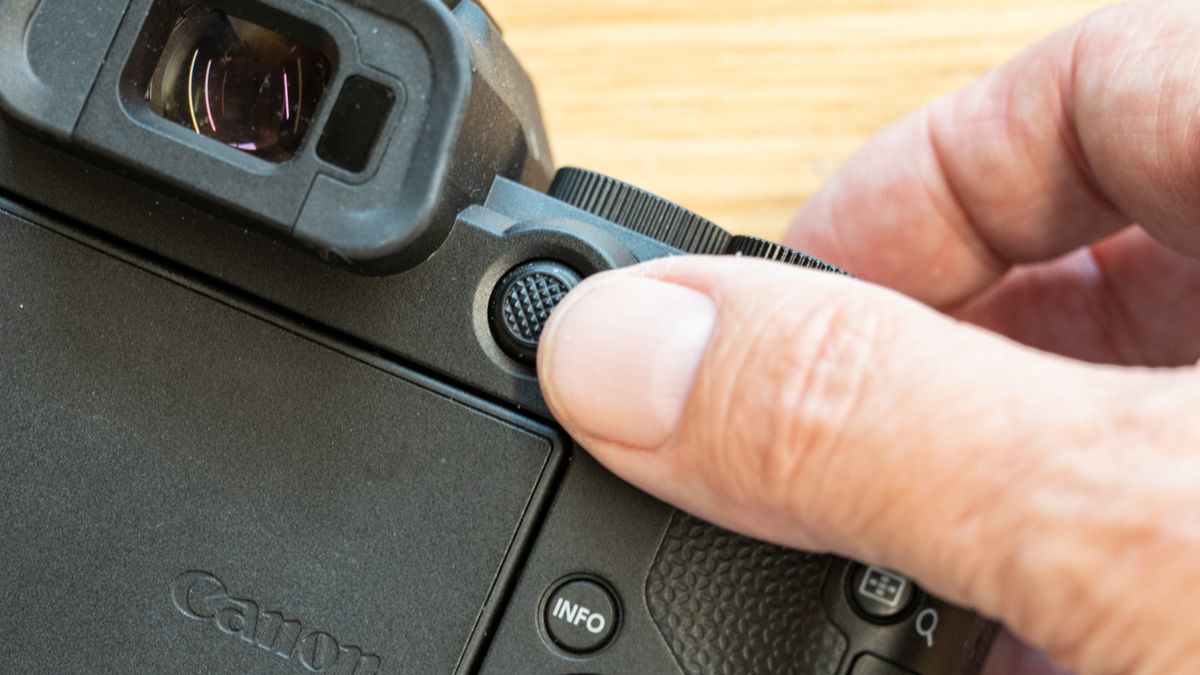
The new autofocus joystick fixes one of the original R8’s biggest handling gaps, making AF point control faster than using menu arrows.
“once you’ve used an autofocus joystick, it’s hard to go back”
Screen suits creators
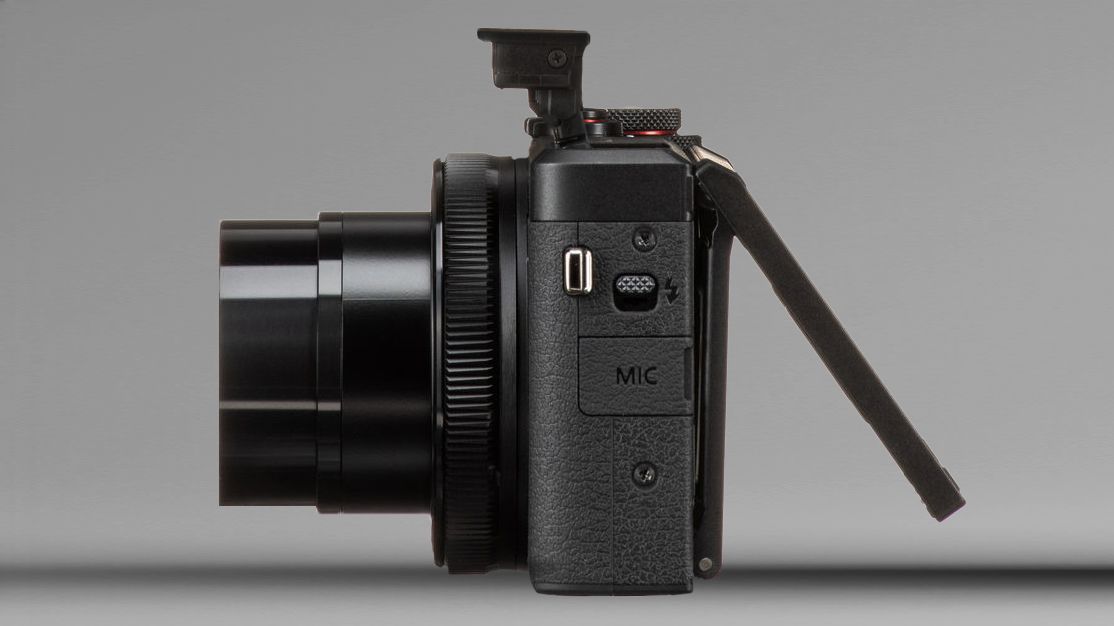
A side-hinged touchscreen can face forward for vlogging and selfies, while still tilting for low and high angles.
“The screen uses a hinge at the side, which allows the screen to fully face forward”
Controls stay familiar
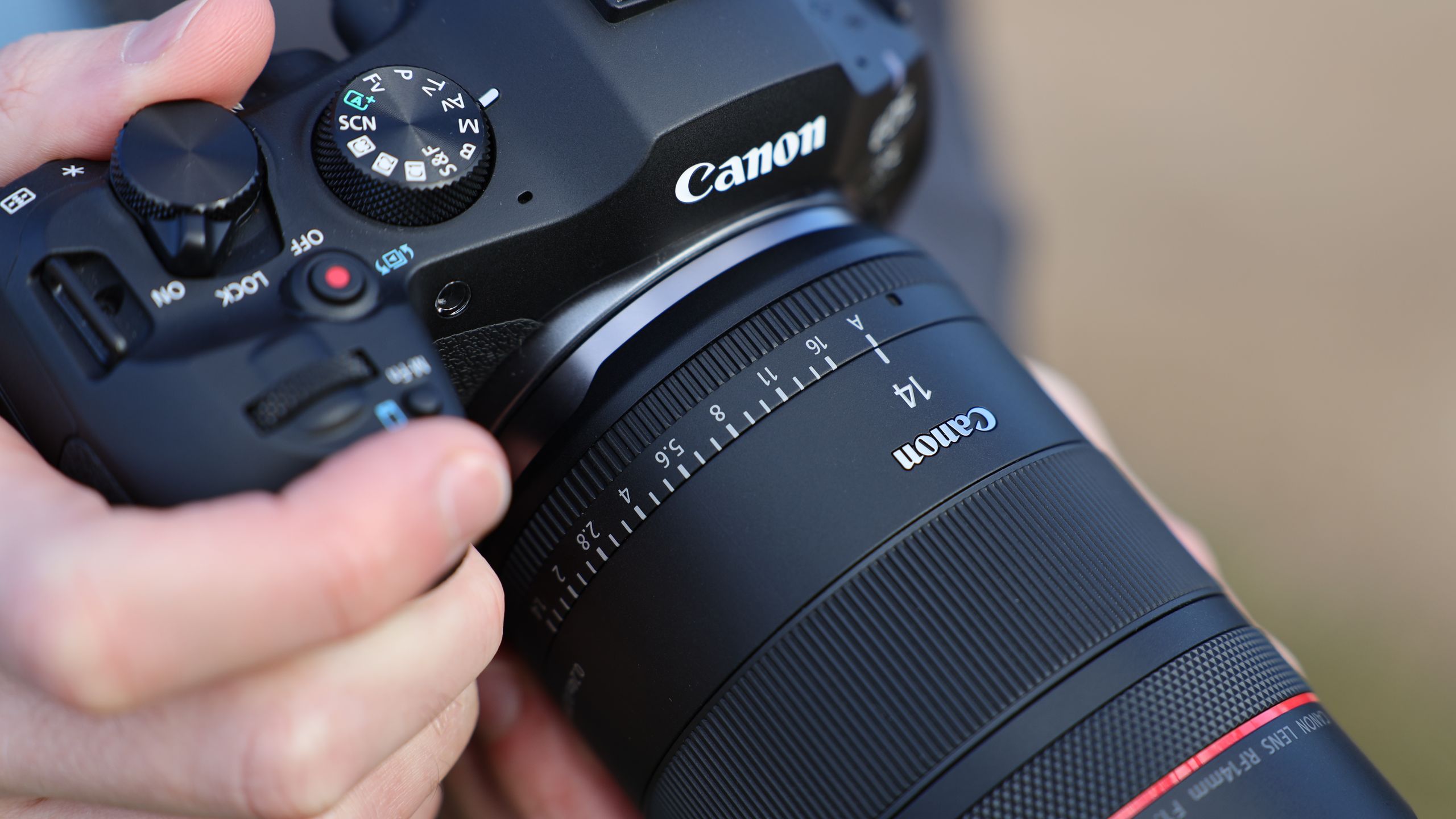
The top plate has two control dials, a mode dial, Fn button, record button, power switch, and shutter release. Canon skipped retro dials here.
“sorry, no retro dials here”
Ports are practical
The single SD card slot now sits on the grip side, away from the battery door. The body also adds mic, headphone, cable release, micro HDMI, and USB-C ports.
“There’s just a single SD card slot on the R8 Mark II”
Light, but heavier
At 546g with battery and card, the Mark II is heavier than the original 461g body. The added IBIS makes that trade feel reasonable.
“that added IBIS system is well worth the slight increase in weight.”
Weather sealing stays
Canon kept the same dust and weather sealing level as the original R8, giving the body some protection without moving it into a higher class.
“The Mark II also carries dust and weather seals”
Price moves up
The R8 Mark II is expected at $1,899 body-only in the US, or $2,099 with the 24-50mm kit lens. UK pricing starts at £1,729.
“That’s notably higher than the original R8’s list price”
Still Canon’s cheapest IBIS
Despite the higher price, it becomes Canon’s most affordable full-frame mirrorless body with in-body stabilization.
“the R8 Mark II is Canon’s most affordable full-frame mirrorless with IBIS”
Original stays cheaper
Canon plans to keep the first R8 in the lineup, giving buyers a lower-cost option with the same sensor and processor but no IBIS or joystick.
“Canon plans on keeping the original R8 around for a bit as a budget alternative.”
Sensor remains capable
The 24.2MP full-frame sensor does not change, but it still balances detail and noise well for the price.
“The lack of a sensor upgrade may disappoint some”
RAW files hold up
Dynamic range met expectations. The reviewer recovered shadow detail from backlit, underexposed bird photos in RAW files.
“I was able to recover quite a bit of detail in the shadows”
Autofocus gets darker
Dual Pixel CMOS AF II is mostly familiar, but low-light sensitivity improves to -7.5 EV, compared with -6.5 EV on the original.
“the Mark II sees a low-light boost”
Bird AF has limits
Autofocus tracked movement well and froze birds in flight, but animal eye AF could miss eyes in branches and grab the background instead.
“locking on to tree branches instead of the bird more than I would have liked.”
Fast bursts feel useful
The camera still shoots 40 fps electronically and 6 fps mechanically. A larger buffer means fewer pauses while photographing action.
“the buffer improved 30 percent for RAW files over the previous version and 58 percent in JPEG”
IBIS earns its place
Stabilization helped with a slow 1/60 sec exposure at 400mm in shadowy branches, exactly the kind of situation where the old R8 could struggle.
“the new in-body stabilization is impressive.”
Battery remains the catch
The 220-shot viewfinder rating is unchanged. Real use may beat that figure, but travel and long shoots still call for a spare battery.
“picking up a spare battery will be a must.”
The bottom line
The R8 Mark II keeps the original’s strong sensor and speed, then adds stabilization and better controls, making the weak battery the main catch.