From Digital Camera World · · 1m 10s
Climate Crisis Photos Challenge
20 photographers show climate crisis through unique images.
In brief
20 photographers show climate crisis through unique images. 20 photographers created images addressing climate change using creative approaches. Originally reported by Digital Camera World.
Climate Crisis Images
A group of 20 photographers created images addressing climate change through unique perspectives.
Exhibition Details
OPEN ECO exhibition runs at Seafront Gallery in Brighton from October 5 to November 1, 2026.
Photographers' Focus
Photographers explored climate crisis through local and global perspectives including plastic waste and glacier retreat.
Kilometres to Where
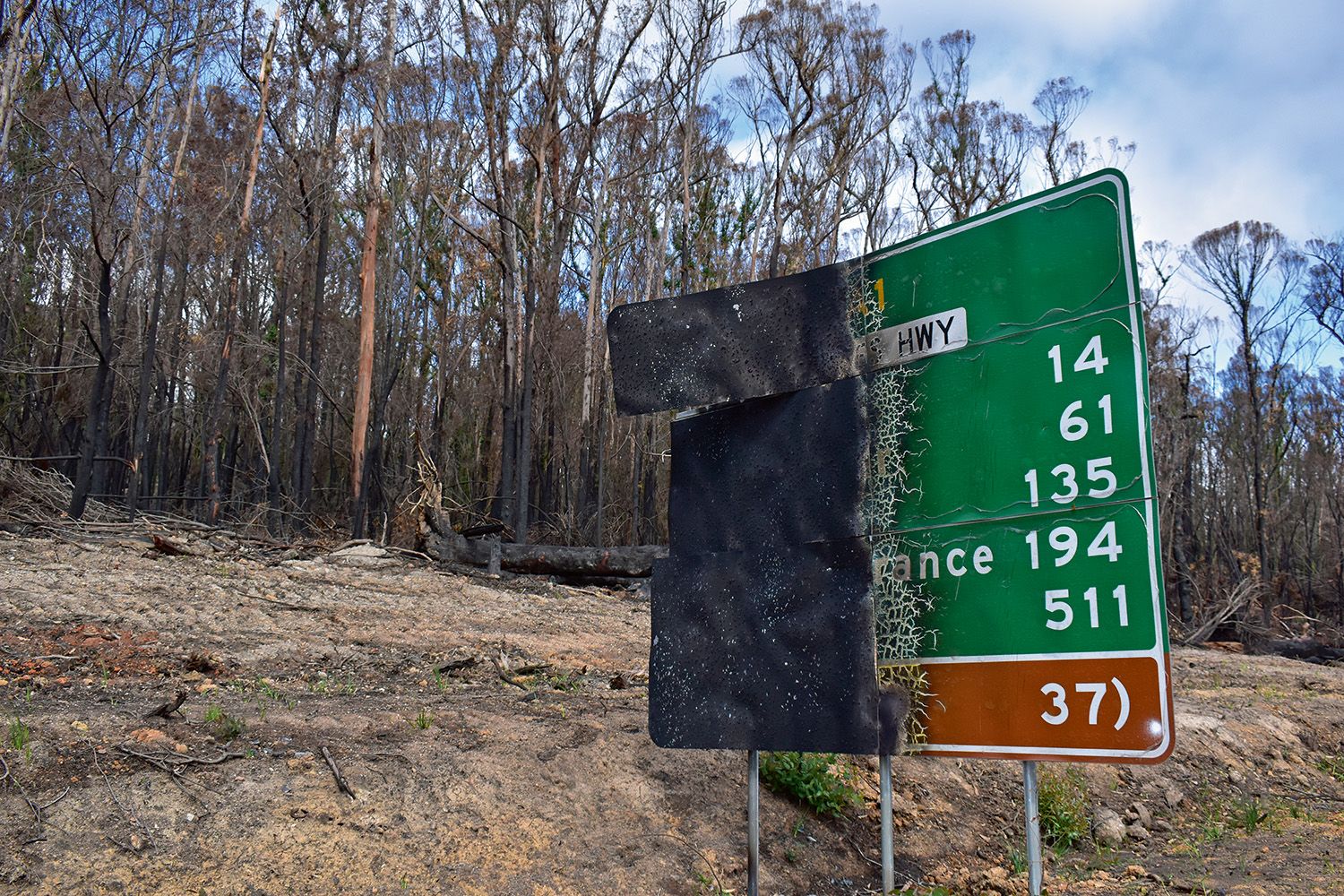
Ann Petruckevitch's image shows bushfire destruction along an Australian highway.
“A powerful image that shows the extent of damage that was caused by the Black Summer bushfires in Australia. I was travelling by campervan along the A1 Princes Highway through New South Wales and Victoria when I passed this road sign which had been half destroyed by a bushfire that had travelled across the immediate roadside landscape and appeared to halt at the road. Over 24 million hectares of land and 3 billion terrestrial animals were killed or displaced, respectively.”
The Rhone Glacier
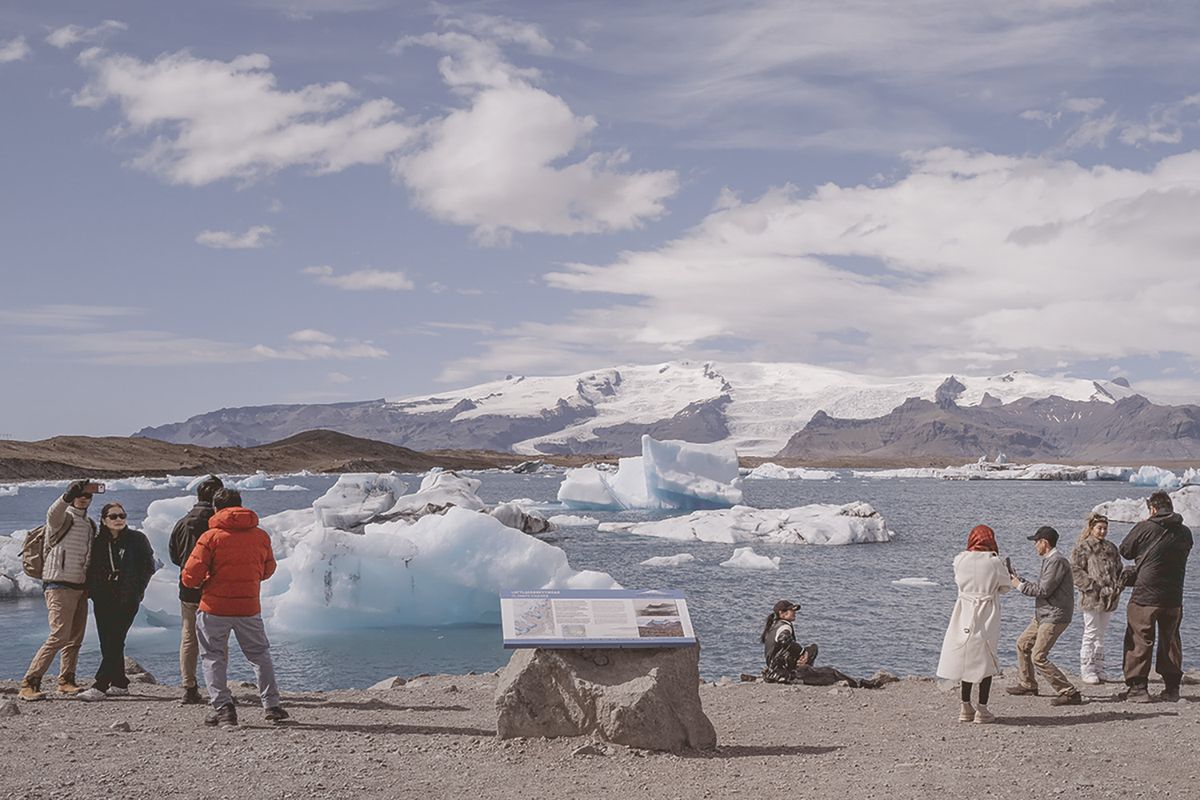
Mark Phillips' image shows Swiss glacier protection efforts using tourism-driven methods.
“An attempt to protect part of the Rhone Glacier with tarpaulin and insulation. The irony is that this protection exists because of the ice caves which are a tourist attraction. The main glacier melts, and retreats, still unprotected.”
The Catch of the Day

Dr Gil Mualem-Doron created sculptures from Sri Lankan plastic waste for coastal communities.
“The photograph is part of Sea of Change, a collaborative photography series created with young people from a fishing village in northern Sri Lanka. Participants transformed plastic waste collected from local beaches into wearable sculptures, masks and costumes, which were then photographed within the coastal landscape. The project connects local experiences of pollution and coastal precarity to the global ecological crisis, while showing how discarded materials can take on new meanings through creativity and collective action. Supported by the Chalk Cliff Trust and We Are Kommune, Kalpitiya, the project was exhibited at the Lionel Wendt Art Centre in Colombo.”
Chernobyl's Monument
Halfdan Hallseth captured plants growing through Chernobyl's reactor cooling tower.
“On the floor of the unfinished cooling tower of Chernobyl's Reactor 5, a tree grows through layers of concrete and decay. Built beside Reactor 4, the site bears the scars of one of history's most devastating technological disasters. The tree becomes a Monument to Life - not one built by humans, but by nature itself. Its roots and branches quietly reclaim a place designed to control immense forces. In the face of the climate crisis, the image offers both a warning and a possibility: nature is remarkably resilient, but its survival should not be mistaken for permission to keep pushing its limits.”
Fly Tip
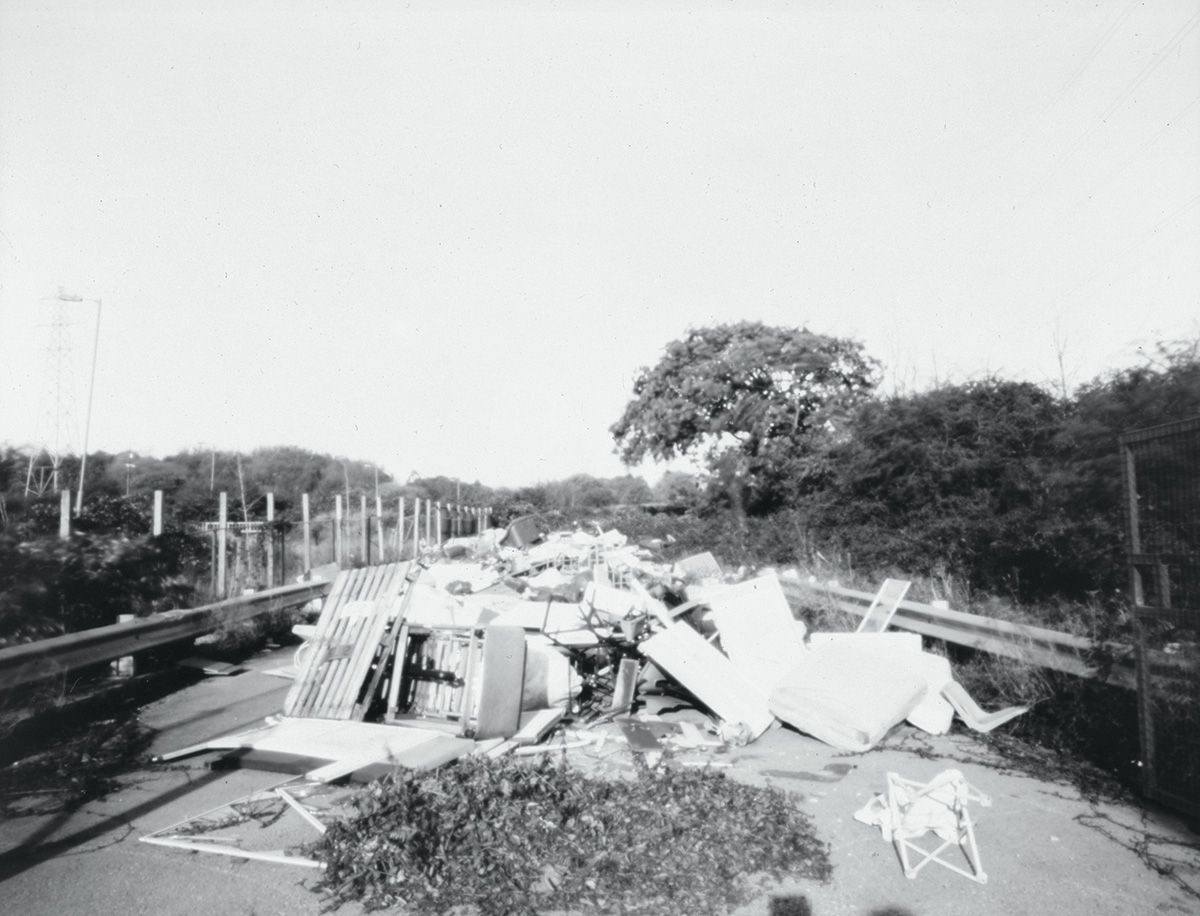
Rebecca Goddard photographed fly-tipped waste in England's Avonmouth area.
“In Avonmouth, near Bristol, a huge area of fly-tipped rubbish grew over a number of weeks like a sleeping toxic giant with asbestos in its veins. The site, home to waste processing and incinerators, sewage works and warehouses, but also to pockets of nature reserves, quiet spaces and wildlife, was closed off to those wishing to walk and explore this place after the site was cleared. This area was once salt-marsh, regularly flooded by the tidal River Avon.”
As Time Goes By
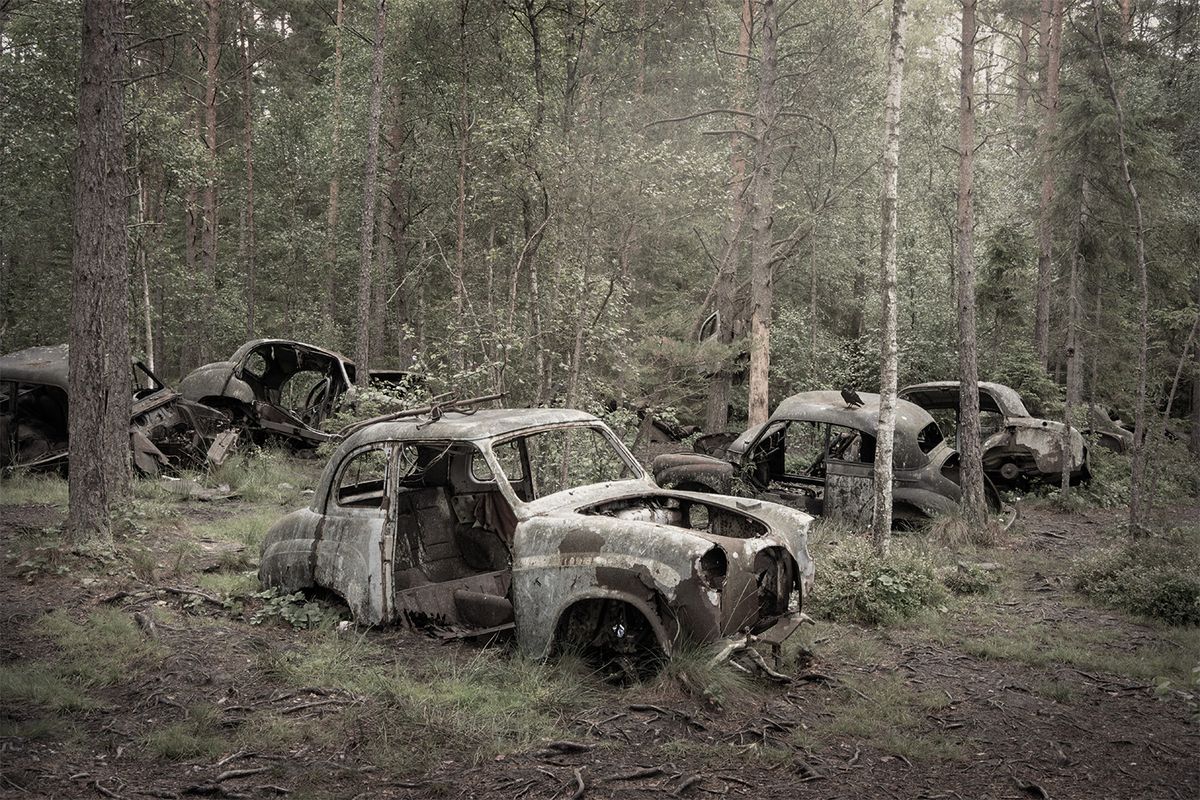
Kerstin Rudnick's image shows vegetation reclaiming abandoned cars in Sweden.
“Does nature have the capacity to repair the damage we inflict upon it? Can it heal itself and erase the traces we leave behind? Cars are symbols of human technological progress, of status, and of our freedom of movement. Yet they also symbolize our thoughtless emissions and our reluctance to change for the sake of nature. This photograph was taken at an abandoned auto repair shop near Kyrkö Mosse in southern Sweden, where vegetation is slowly taking over and obliterating the traces of human activity.”
Exhibition Impact
The exhibition encourages viewers to reconsider their relationship with the environment through photography.
“An image can act as evidence, testimony, warning or invitation. It can make visible what is overlooked, connect a local experience to a global condition, or encourage us to look again at the environments we inhabit every day.”
Here's the gist
20 photographers created images addressing climate change using creative approaches.