From Digital Camera World · · 2m
How one accident made photography 60 times faster
William Henry Fox Talbot's accidental discovery of chemical development cut exposure times from hours to seconds, reshaping photography forever.
In brief
William Henry Fox Talbot's accidental discovery of chemical development cut exposure times from hours to seconds, reshaping photography forever. Talbot's discovery that invisible images on light-sensitive paper could be revealed with a chemical developer transformed photography from a hours-long process into a…
Early photos took forever
The first photographs required 15 minutes to several hours of exposure time. Subjects had to stay completely still, making portraiture nearly impossible.
Daguerre's silver plates were faster
Louis Daguerre's daguerreotypes, introduced in 1839, cut exposure time to 3 to 15 minutes using silver plates. They produced sharp, detailed images but couldn't be duplicated.
Talbot's paper process came close
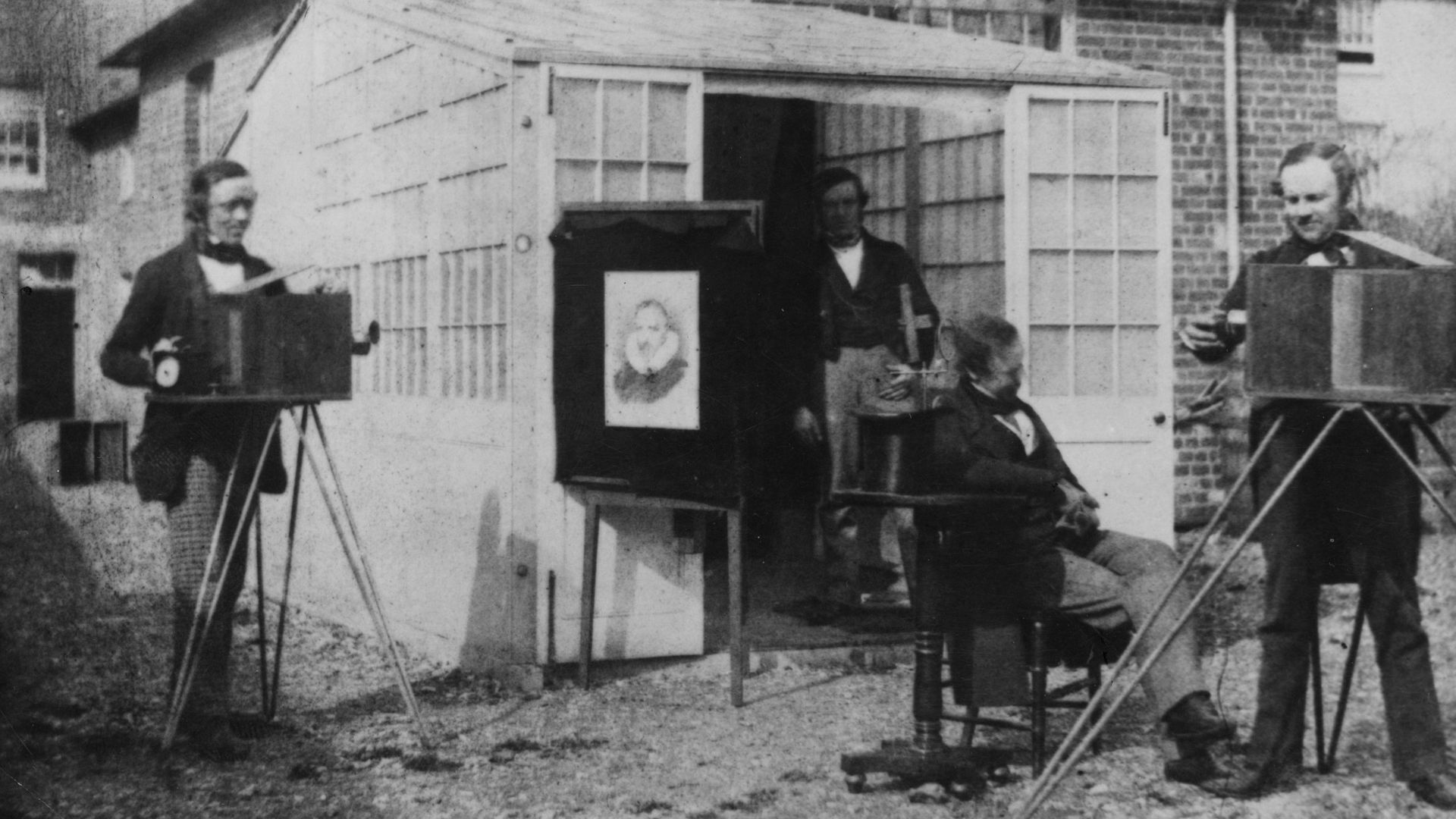
William Henry Fox Talbot presented his photogenic drawing process to the Royal Society in 1839, just three weeks after Daguerre. His paper-based method was slower and less sharp, but he kept refining it.
An accidental discovery changed everything
Between September 21 and 23, 1840, Talbot discovered that brief paper exposure left no visible image, but rinsing it in gallic acid revealed a photograph. The accident cut exposure time from minutes to seconds.
Chemical development was born
Talbot's process mixed light-sensitive paper with a developing solution, drastically reducing exposure time. He called the solution an exciting liquid. Modern film development still uses this developer concept today.
Herschel added the fixing step
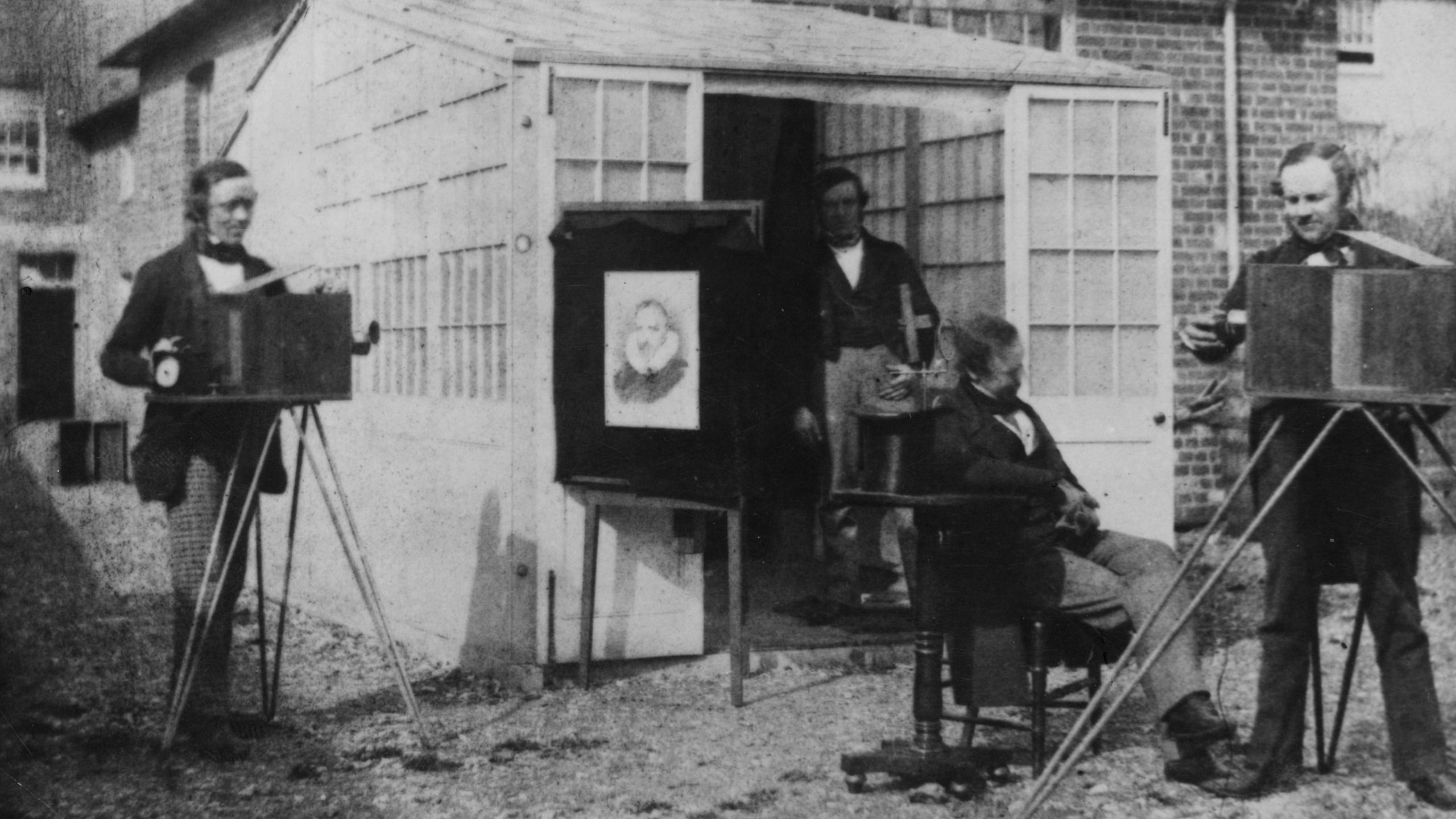
Talbot's early images faded quickly. His friend Sir John Herschel proposed a hyposulfite solution to stop the paper from continuing to be light-sensitive, introducing the fixer step to photography.
The calotype enabled reproduction
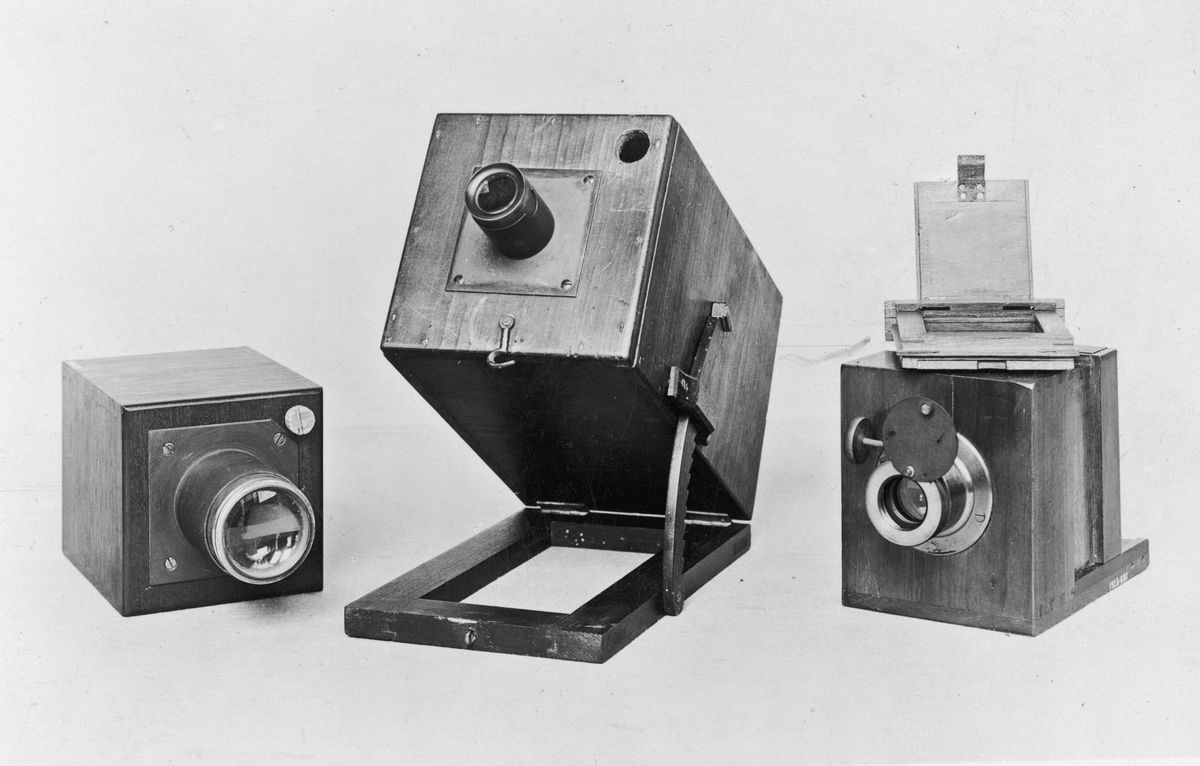
Talbot patented his calotype process in February 1841. Unlike daguerreotypes, calotypes created a negative that could be duplicated by placing it over fresh light-sensitive paper, enabling mass production.
Calotypes could capture movement
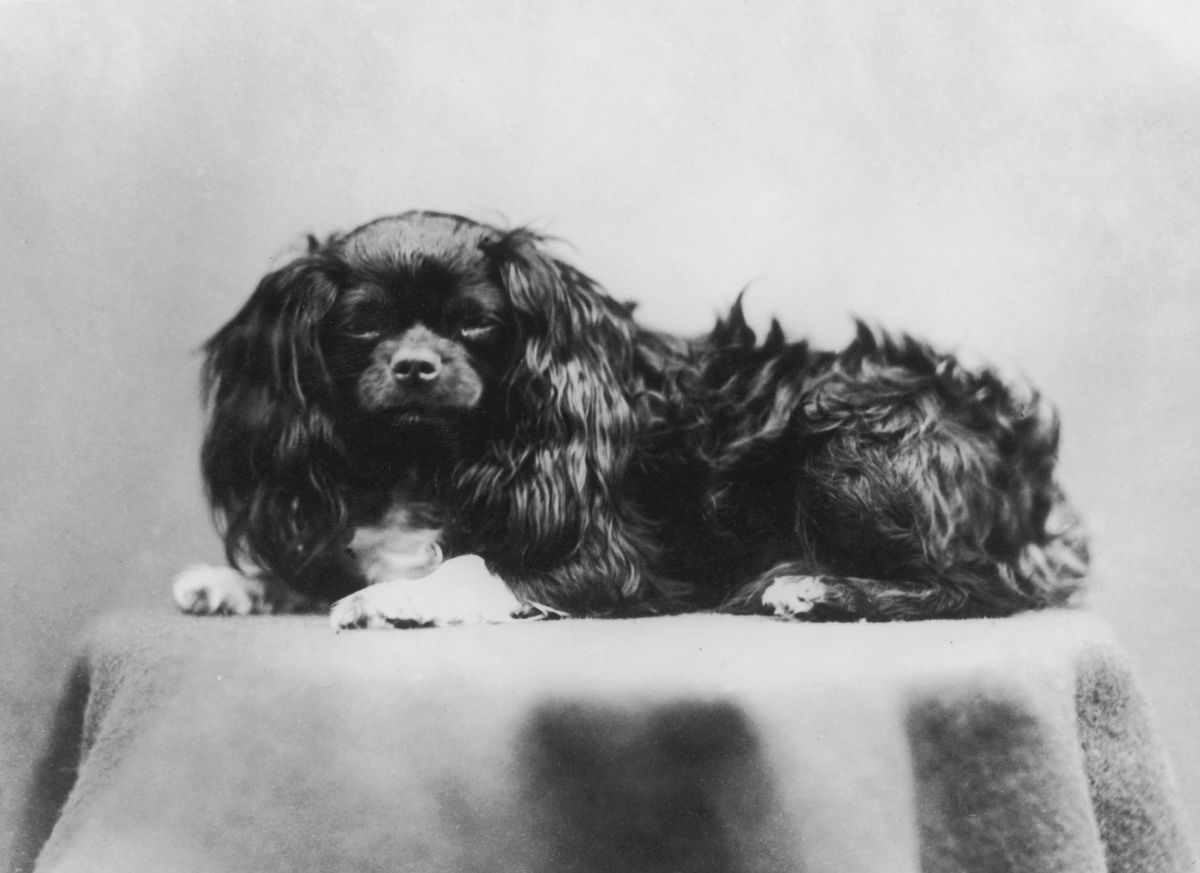
Calotypes required only seconds of exposure, making it possible to photograph subjects that couldn't sit still for the 3 to 15 minutes a daguerreotype demanded. This opened portraiture to living, moving subjects.
Three steps that shaped film forever
Talbot's calotype introduced develop, fix, and print. These three steps became the foundation of analog film photography for over a century, even as the calotype itself was replaced by newer processes.
What it means
Talbot's discovery that invisible images on light-sensitive paper could be revealed with a chemical developer transformed photography from a hours-long process into a seconds-long one, introducing the develop-fix-print workflow still used in film photography today.