From Digital Camera World · · 1m 30s
Why camera ergonomics matter for wildlife
Small, light cameras struggle with heavy telephoto lenses. Wildlife photographers need proper grip and balance.
In brief
Small, light cameras struggle with heavy telephoto lenses. Wildlife photographers need proper grip and balance. A wildlife camera must be heavy enough to balance long lenses and have a deep grip with accessible physical controls. Originally reported by Digital Camera World.
Small cameras struggle with big lenses
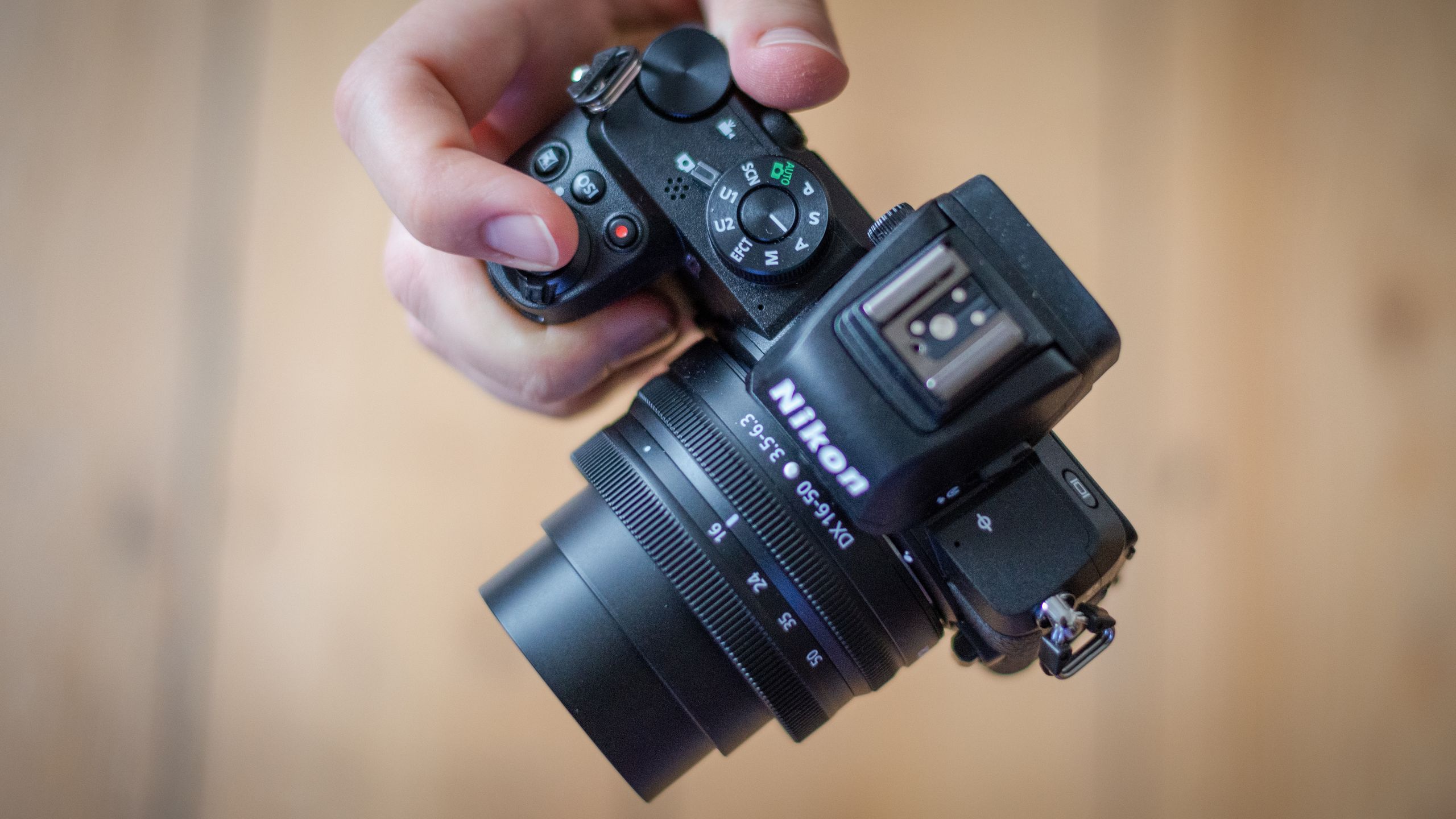
Compact mirrorless cameras like the Nikon Zf or Panasonic Lumix S9 become top-heavy and hard to grip when paired with telephoto lenses needed for wildlife work.
Fast specs don't matter if you're struggling
Quick autofocus, high burst speeds, and resolution mean nothing if your camera setup is uncomfortable to hold and control during fast-moving wildlife action.
You need quick-access physical controls
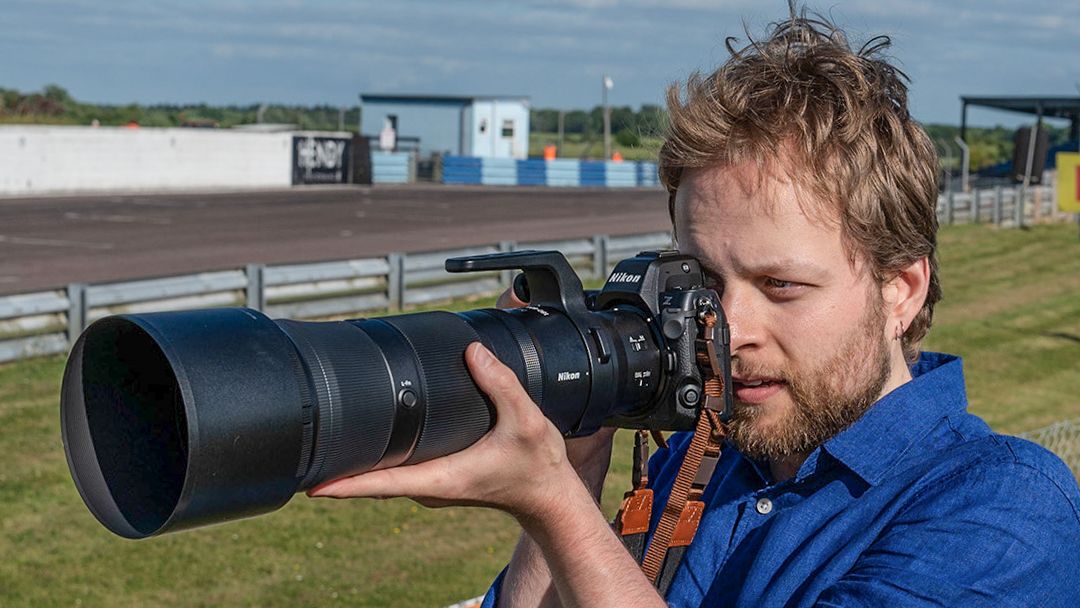
Wildlife photography demands instant exposure adjustments as action unfolds. Cameras with plenty of well-placed dials and buttons let you react without menus.
Weight and grip balance the lens
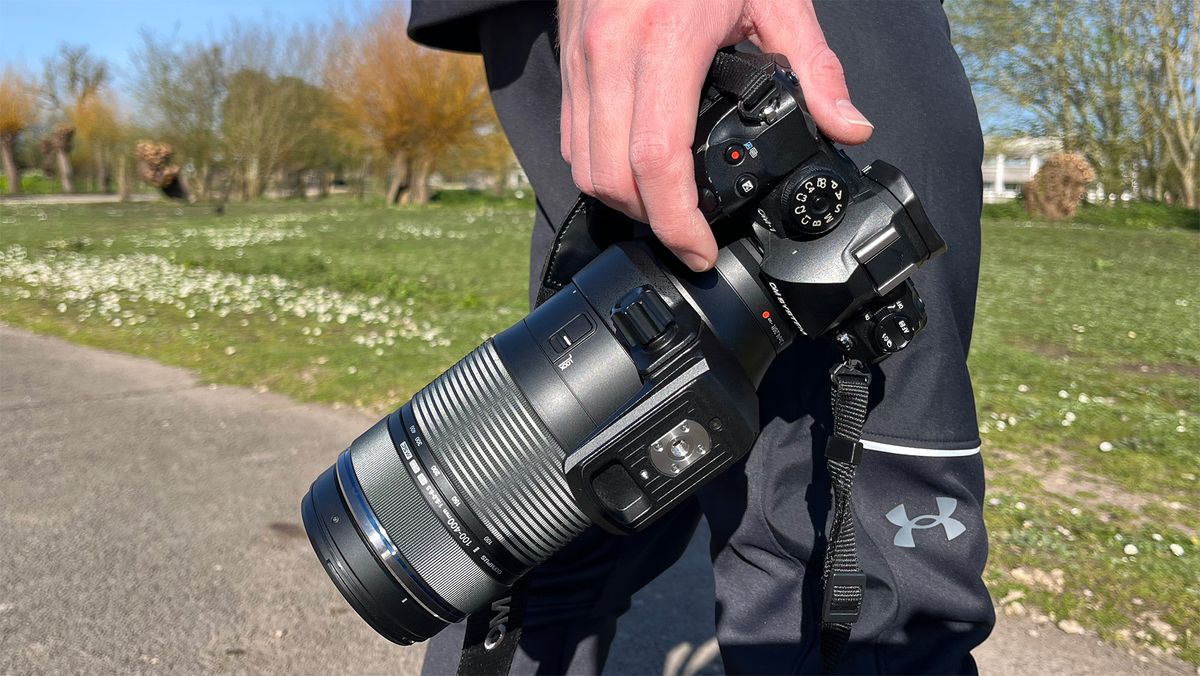
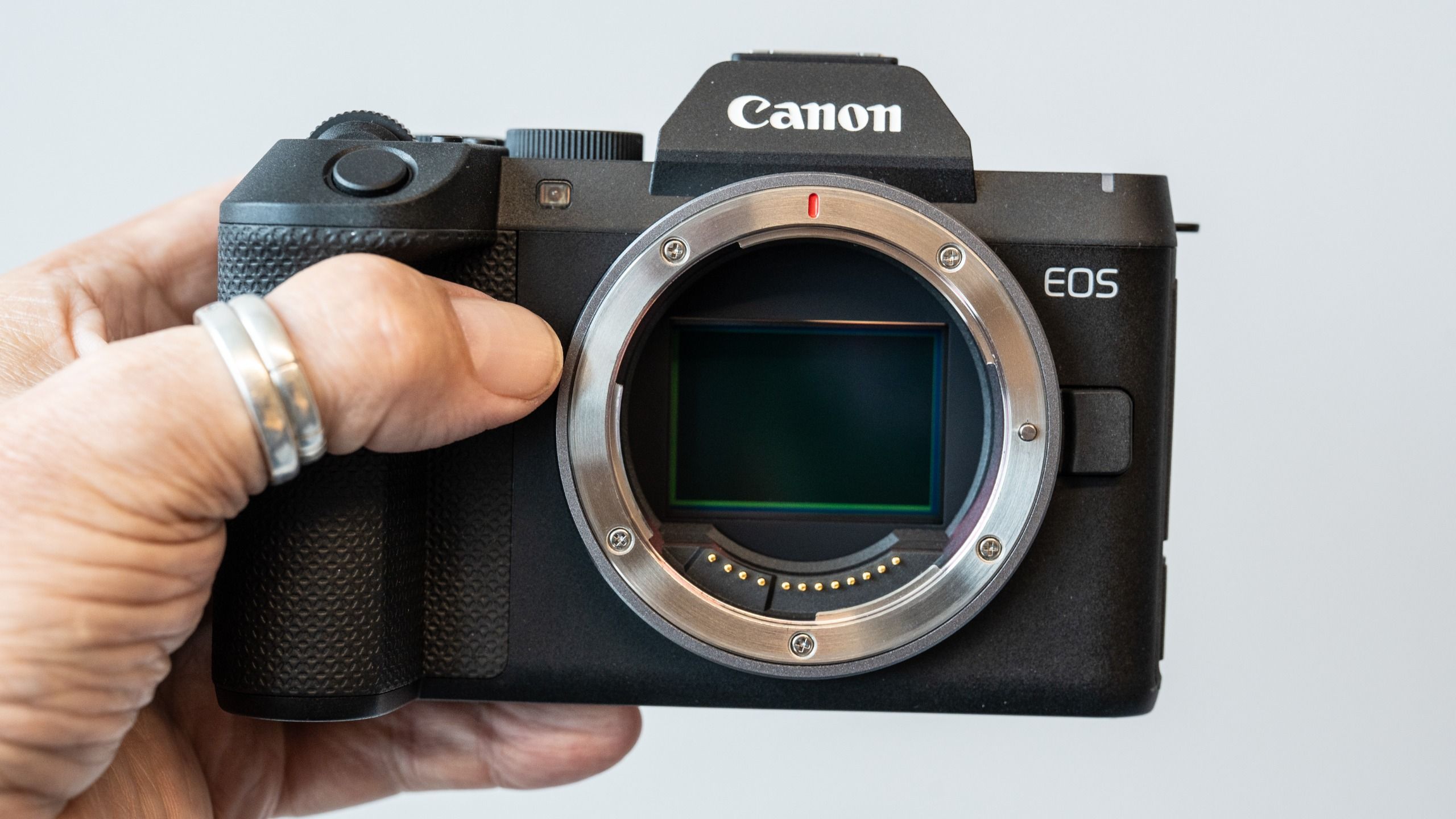
A heavier camera body with a deep grip prevents that top-heavy feeling when mounting long telephoto lenses, making extended shooting sessions more comfortable.
Hand size determines your ideal camera
Smaller hands might prefer the OM System OM-1 Mark II or Fujifilm X-H2S, while larger hands suit the Canon EOS R5 Mark II or Nikon Z8.
Customizable buttons save you time
Top wildlife cameras let you map physical buttons to your preferred settings, so you can adjust exposure and focus without taking your eye off the subject.
Ergonomics matter more than you think
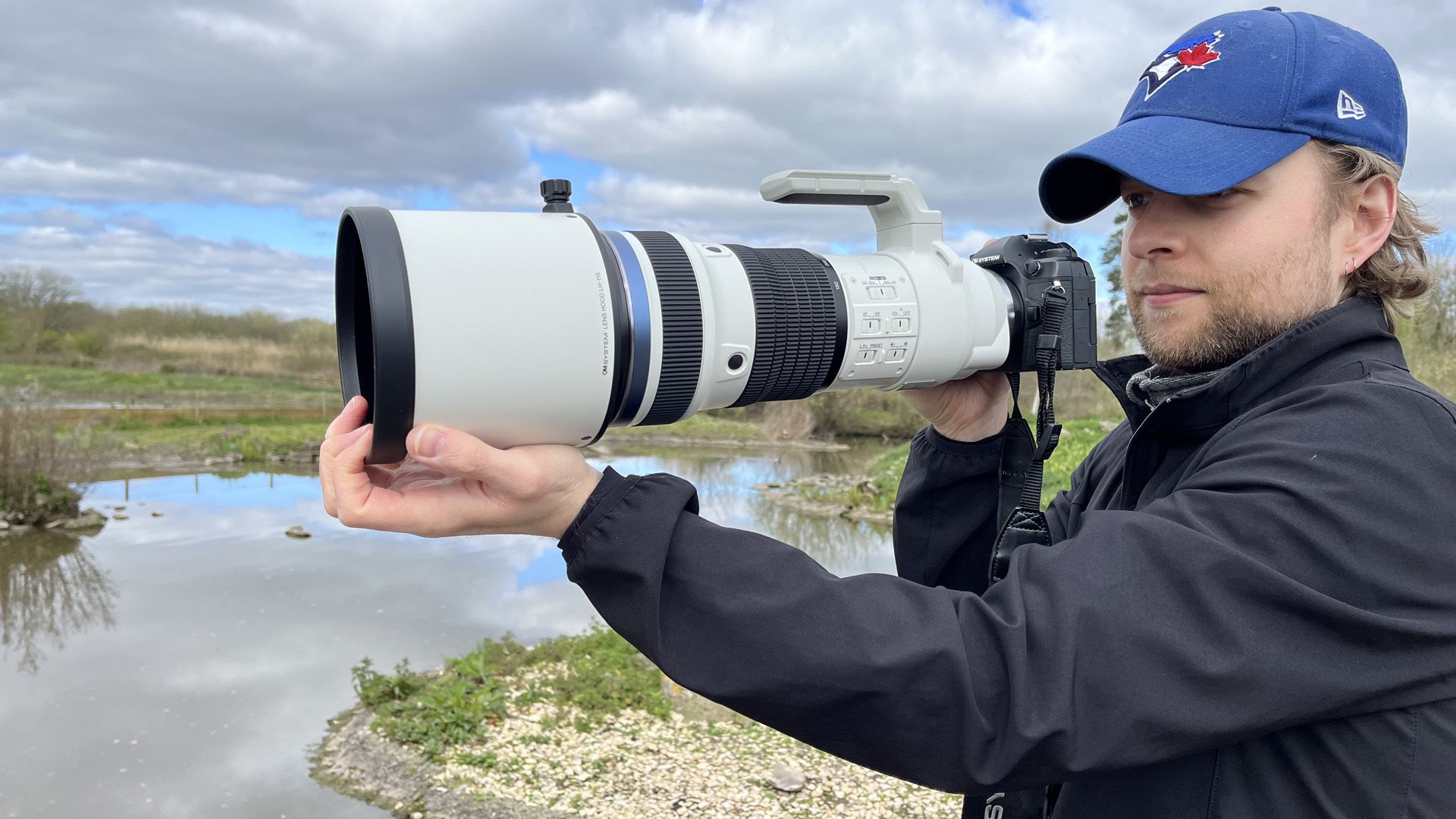
Poor ergonomics become an increasing problem during extended wildlife shoots. Comfort directly affects your ability to capture sharp, well-exposed images.
The key point
A wildlife camera must be heavy enough to balance long lenses and have a deep grip with accessible physical controls.