From EUobserver · · 1m 10s
Trump's AI Pact vs EU Code
Trump's voluntary AI pact contrasts with EU's binding AI rules.
In brief
Trump's voluntary AI pact contrasts with EU's binding AI rules. Trump's White House Accord on Super Intelligence offers non-binding safeguards for AI companies, differing from the EU's legally binding AI Act and Code of Practice. Originally reported by EUobserver.
Trump Unveils AI Pact
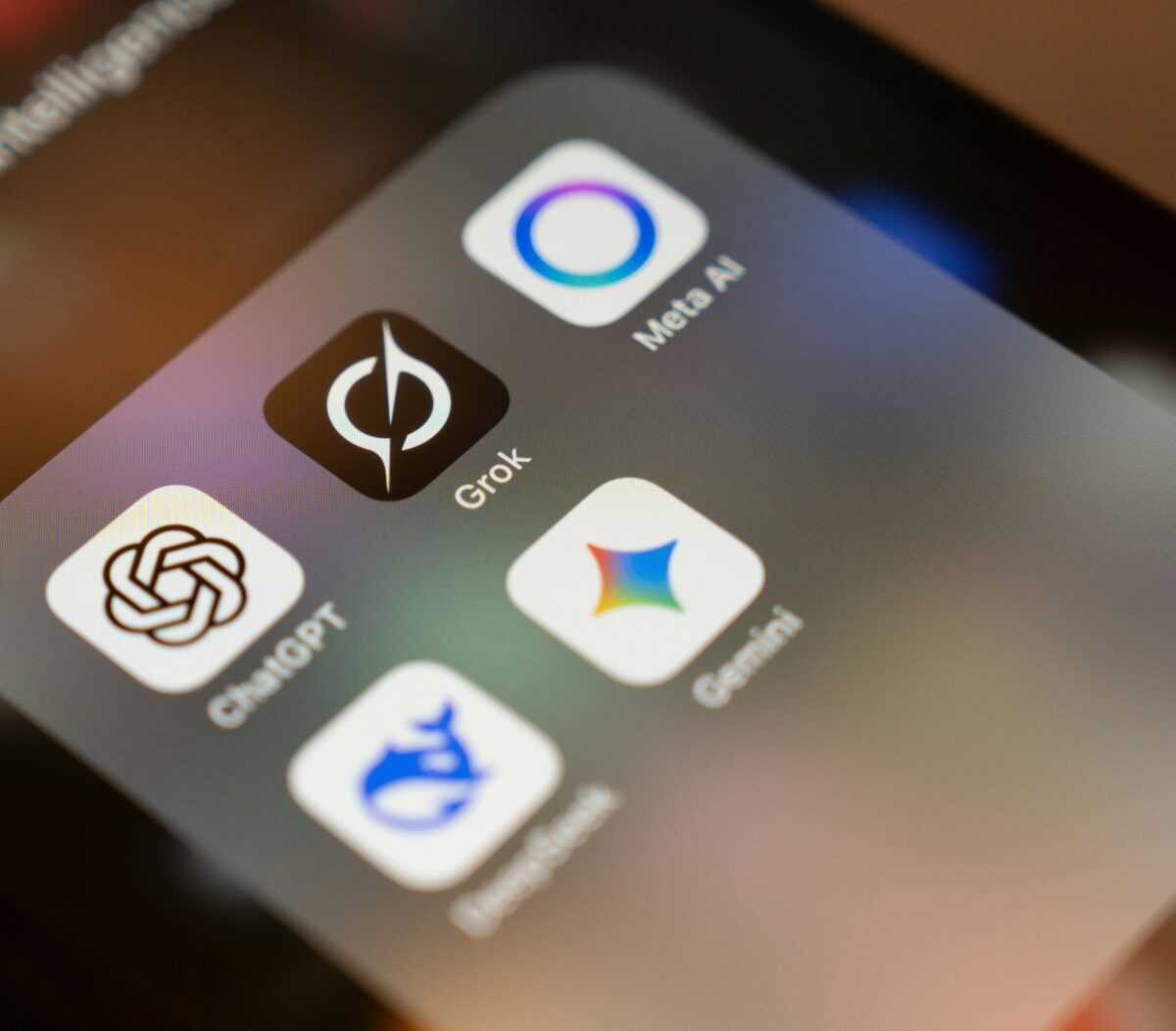
Donald Trump unveiled a self-regulatory agreement on Tuesday (29 September) with major AI companies including OpenAI, Anthropic, Google, Meta, SpaceX, and Nvidia.
White House Accord Details
The White House Accord on Super Intelligence requires companies to implement safeguards, detect and fix problems, and undergo independent audits.
EU's Binding Rules
The EU has legally binding AI Act in force with the Code of Practice for general-purpose AI to help companies comply with regulations.
Key Differences
OpenAI, Anthropic, and Google signed both agreements, while Meta, SpaceX, and Nvidia only signed Trump's pact. The EU's rules are binding versus Trump's voluntary commitments.
Volume and Scope
Trump's document is one page long, while the EU's Code of Practice runs to more than 60 pages covering safety, transparency, and copyright.
Effectiveness Concerns
Both agreements face criticism for being non-binding, with the US having no legal enforcement while the EU has binding obligations under the AI Act.
The main idea
Trump's White House Accord on Super Intelligence offers non-binding safeguards for AI companies, differing from the EU's legally binding AI Act and Code of Practice.