From Engadget · Jessica Conditt · · 4m
Dressmaker: The indie sewing sim taking Steam by storm
A small South African team turned a TikTok prototype into a full game about designing and crafting custom dresses.
In brief
A small South African team turned a TikTok prototype into a full game about designing and crafting custom dresses. Dressmaker shows how social media validation and passionate community feedback can convince indie studios to greenlight ambitious projects. Originally reported by Engadget.
Indie games flood Steam monthly
Around 2,000 games launch on Steam every month, mostly from small teams and solo creators without marketing support. The Engadget Indie Pitch highlights standout titles worth your attention.
Meet Dressmaker and Cozy Lives
Dressmaker is a sewing and design simulation launching on Steam today from Cozy Lives, a new team within acclaimed South African indie studio Free Lives.
The game's creative vision
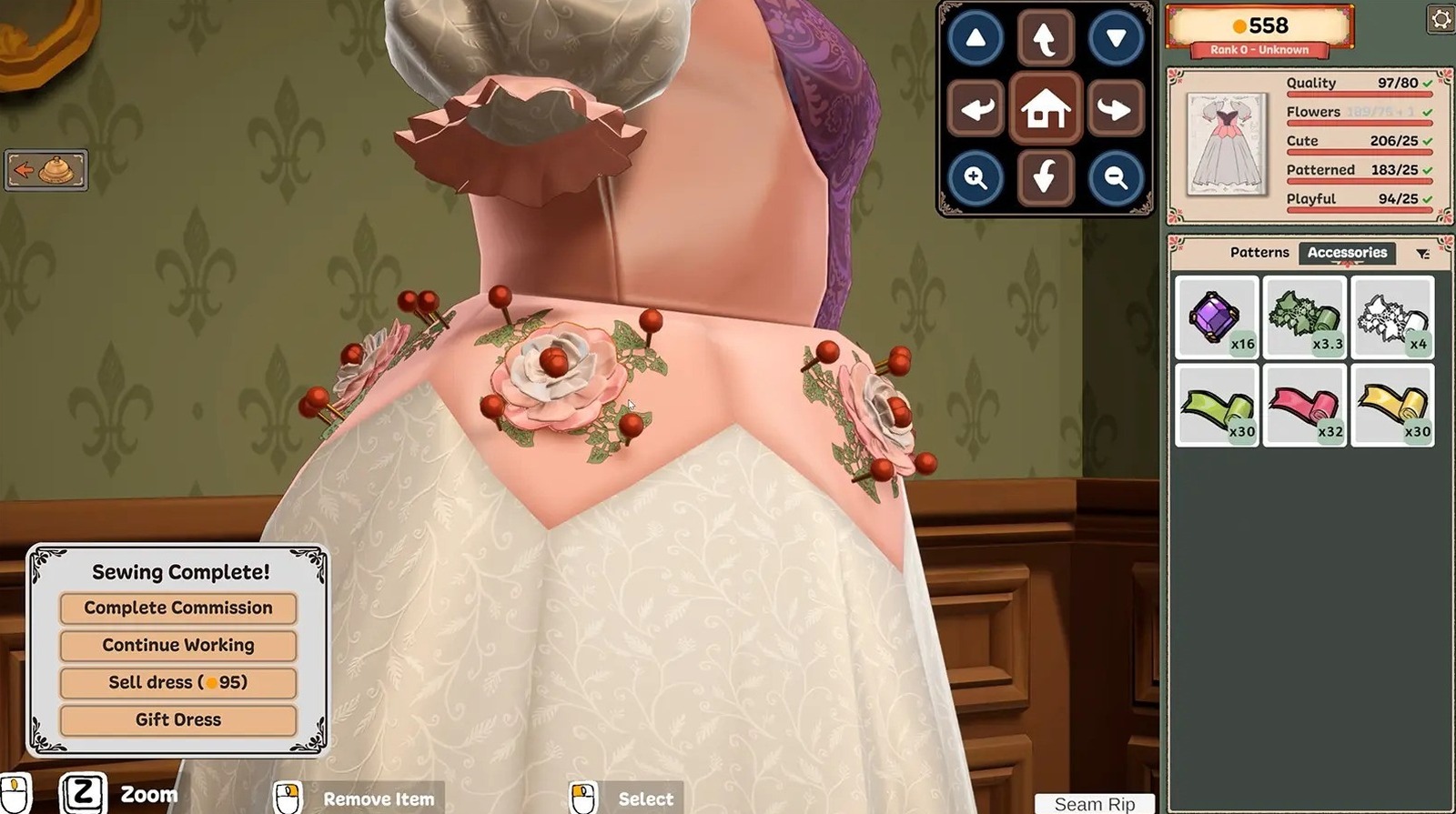
You control every step of dressmaking: design, fabric selection, sewing panels together, and adding trims and buttons. Make commissioned dresses for townspeople or create your own designs to sell.
“Make the dresses you've always dreamed of.”
A tiny but mighty team
The core development team is just three people from Free Lives, plus a sound designer juggling four projects. Dressmaking expert Sabrina Becker served as vision holder and quality assessor throughout.
From prototype to greenlight
Development began with a playable prototype in July 2025 on itch.io. After two months of feedback, Free Lives greenlit the full game in September 2025.
The TikTok spark
Creator Jonathan Hau-Yoon made a basic prototype during vacation and posted a TikTok video about it. The video got over 600,000 views across TikTok and Instagram, with viewers asking where to play.
A seven-year inspiration
Hau-Yoon and Becker have been dating for over seven years. She introduced him to dressmaking, costume design history, and the passionate online community of dress makers and historians.
Why Sabrina turned to games
Becker is a dressmaking expert who left professional costume design after developing Ehlers-Danlos syndrome, a chronic illness. Games offered a way to express her passion without physical strain.
Managing chronic illness at work
Sabrina must recognize flare-ups and take recovery time, accepting that work happens more slowly. She's grateful for a supportive team that catches things when she needs rest.
The technical complexity hidden
The game uses 3D dress models on a mannequin and 2D pattern pieces for cutting, similar to UV unwrapping in 3D software. Patterns must look like real-world dress patterns, requiring precise manual work.
Sizing adds another layer
The game lets you measure each customer and adjust the mannequin to match. A lattice system resizes dresses while adapting 2D patterns to prevent fabric from appearing stretched.
The itch.io validation moment
The playable prototype got around 30,000 downloads in its first month. More importantly, players shared passionate comments, essays about loving the game, and content creators posted videos with over a million views.
What makes cozy games work
Defining cozy is surprisingly hard. Some popular cozy games involve killing monsters or beating cultists. Perhaps what matters is more developers intentionally making games for women.
South Africa's indie golden age
The South African indie scene is experiencing rapid growth with regular meetups, jams, and community events. International developers say the region is entering a golden age of game creation.
Free Lives gives back to community
Free Lives funds the Playtopia Foundation, which runs an annual indie games festival, and supports local alt-controller communities. They've spent 3 million rand on the Jam Dole stipend for young developers.
The Jam Dole success stories
The stipend program has funded games like Get Yoked, Detective Turner, Feather's Edge, and Fossil Quest. Free Lives is seeking collaborators to make the program more sustainable long-term.
The biggest indie challenge
Choosing the right game to work on is the most critical problem. Pursuing ideas too ambitious for your team size and budget can tank a studio. Prototyping and social media validation help.
What publishers should do
Hau-Yoon wants to see programs like the Jam Dole expand. Giving small developers stipends to prototype and validate ideas helps them pursue the right projects without financial pressure.
The key point
Dressmaker shows how social media validation and passionate community feedback can convince indie studios to greenlight ambitious projects.



/file/attachments/orphans/narrative-fractured1_331284.jpg)