From Engadget · Mariella Moon · · 1m 30s
NASA spots largest modern crater on the moon
A comet or asteroid the size of a building created the McGetchin crater, a rare impact that happens roughly once every 132 years.
In brief
A comet or asteroid the size of a building created the McGetchin crater, a rare impact that happens roughly once every 132 years. NASA's Lunar Reconnaissance Orbiter detected a massive new lunar crater formed between April and May 2024, the largest modern impact in our solar system, which will help scientists…
Massive impact on the moon
Between April and May 2024, a comet or asteroid the size of a three to six story building slammed into the lunar surface, creating the largest modern-day crater in our solar system.
Discovery came months later
NASA scientist Robert Wagner spotted the new crater in October 2025 by comparing before and after images from the Lunar Reconnaissance Orbiter's wide-angle camera.
Meet the McGetchin crater
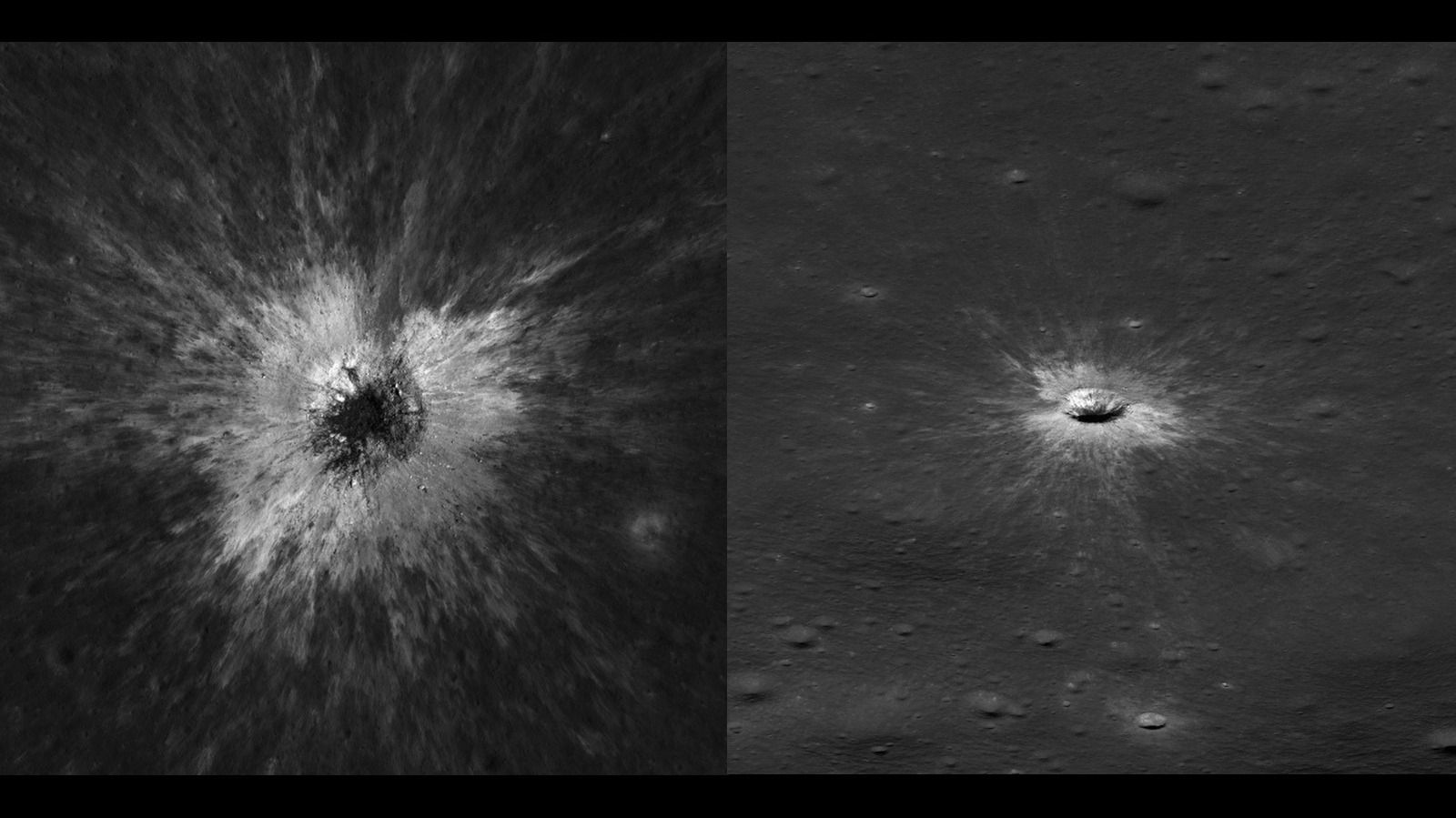
The crater measures 728 feet wide and 141 feet deep. It was officially named after scientist Tom McGetchin.
A rare cosmic event
Scientists estimate impacts of this magnitude happen only once every 132 years or so, making this a once-in-a-century event.
The crater left a cool mark
A 4-mile-wide area around the crater is about 16 degrees Fahrenheit cooler at night because the impact disturbed the moon's surface layer, making it less dense and less able to retain heat.
Future studies ahead
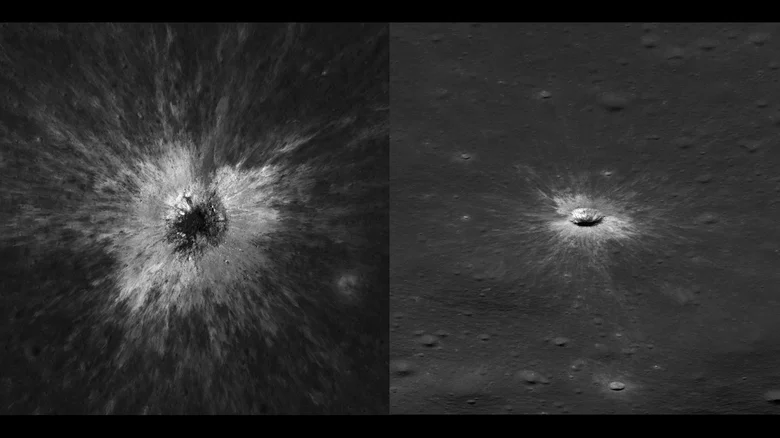
The cooler spots could impact how rover wheels interact with the lunar surface, making the McGetchin crater a focus for future scientific research.
What it means
NASA's Lunar Reconnaissance Orbiter detected a massive new lunar crater formed between April and May 2024, the largest modern impact in our solar system, which will help scientists understand how rare major collisions are.