From Family Handyman · Alex Shoemaker · · 1m 40s
Cities use green lights to reward slower drivers
A traffic signal strategy called 'rest in red' gives careful drivers more green lights while speeders hit more reds.
In brief
A traffic signal strategy called 'rest in red' gives careful drivers more green lights while speeders hit more reds. Driving at the speed limit can now mean hitting more green lights in cities using 'rest in red' technology. Originally reported by Family Handyman.
Frustration becomes motivation
Some cities are timing traffic lights to reward drivers who follow the speed limit. Faster drivers are more likely to stop at red lights.
How rest in red works

Traffic lights stay red when no vehicles approach. Sensors detect approaching cars and can trigger the light to turn green.
Speed sensors reward compliance
Some cities use speed sensors to give drivers traveling at or below the speed limit an earlier green light. Speeders have to wait longer.
Albuquerque leads the way
Albuquerque uses rest in red along Lead and Coal Avenues. The system has contributed to calmer traffic and increased safety.
“If you come to Albuquerque right now and you're driving that corridor, you will learn pretty quickly that if you are speeding, you stop.”
Slower speeds save lives
A pedestrian struck at 40 mph is eight times more likely to die than one struck at 20 mph. Lower speeds reduce crash severity.
Different from green waves
Rest in red starts with a red light and uses the promise of an earlier green to slow drivers. Green waves time multiple lights for steady flow.
Best for light traffic
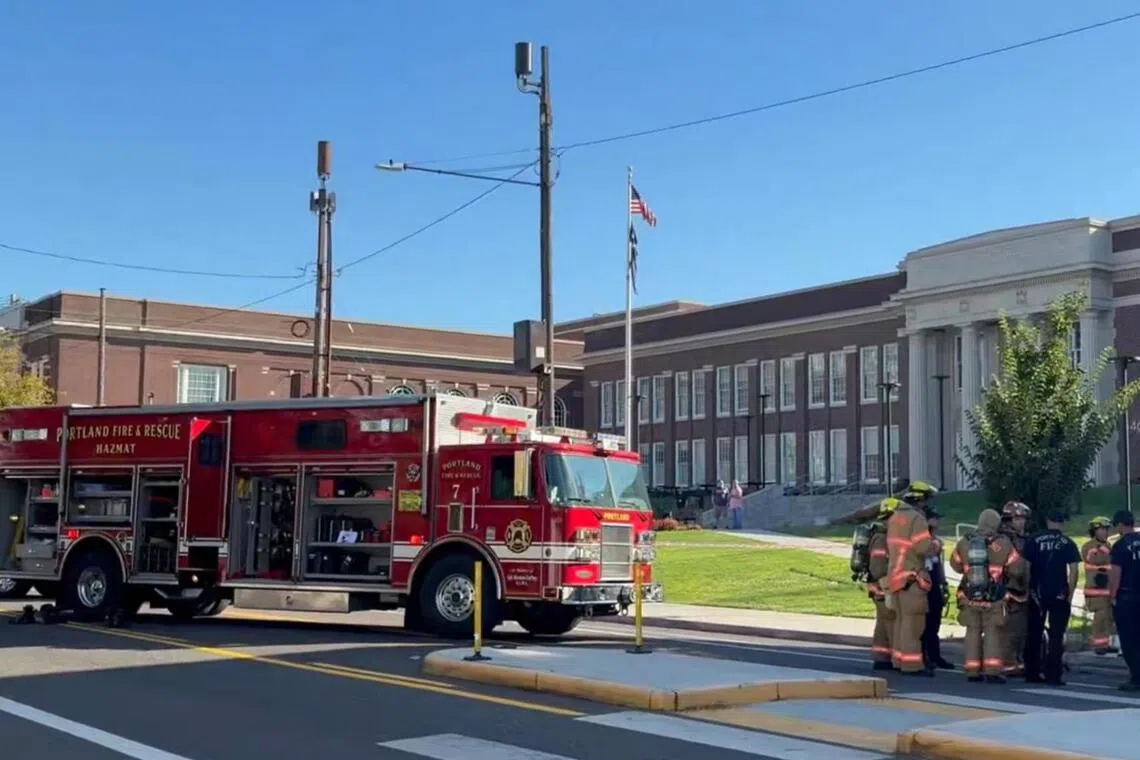
Portland mainly uses rest in red when traffic is light and open roads make speeding more likely. Busy intersections may need different setups.
Still being tested nationwide
Researchers are studying possible downsides, including whether drivers become more likely to run red lights. More testing is needed before widespread adoption.
The essence
Driving at the speed limit can now mean hitting more green lights in cities using 'rest in red' technology.