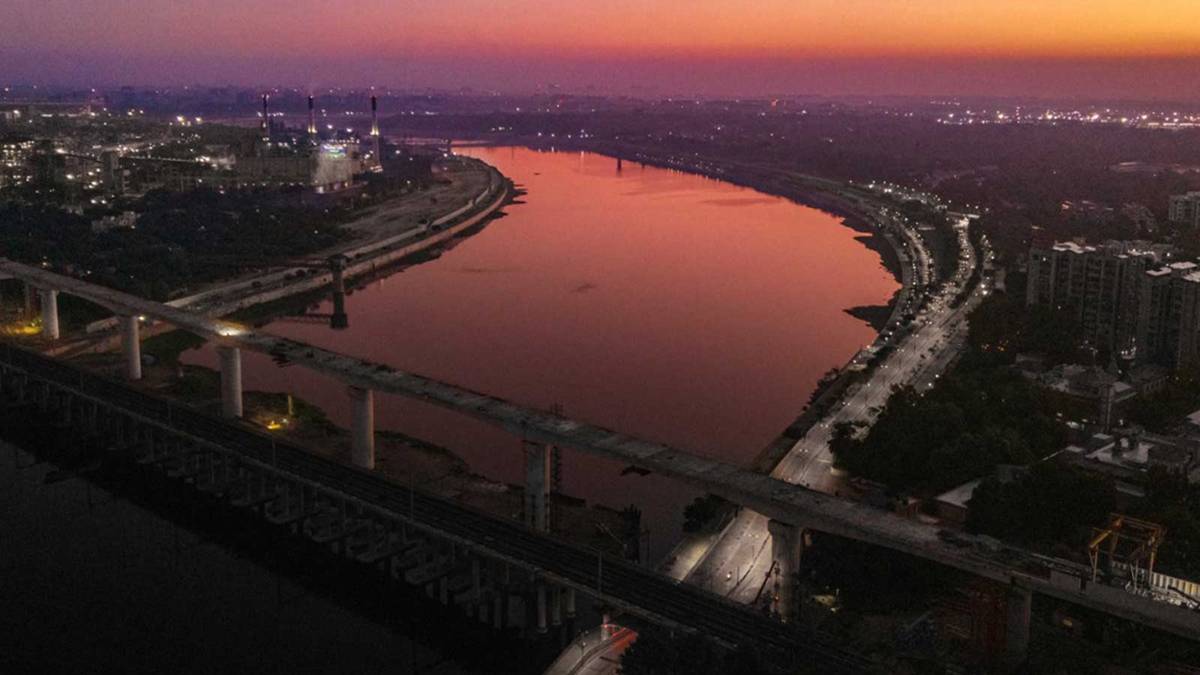
From Financialexpress · Ajay Joseph · · 2m
India and Japan bullet trains: same track safety challenge
Japan expert says India must prove safe operation of two bullet train systems before choosing for Mumbai-Ahmedabad project.
In brief
Japan expert says India must prove safe operation of two bullet train systems before choosing for Mumbai-Ahmedabad project. Japan expert Masafumi Shukuri states India must demonstrate safe operation of Indian and Japanese bullet trains on same track before selecting system for Mumbai-Ahmedabad project. Originally…
India must prove safe operation
India must demonstrate that two different bullet train systems with separate signalling technologies can operate safely on the same high-speed rail corridor before choosing one for the Mumbai-Ahmedabad project.
“Masafumi Shukuri emphasizes the importance of safety, integration, and thorough trials prior to service launch”
Japan expert on safety concerns
Masafumi Shukuri, chairman of the Japan Transport and Tourism Research Institute and the International High-Speed Rail Association, said he was unaware of any precedent for operating two different high-speed train systems with separate signalling technologies…
“In an interview with The Indian Express on the sidelines of the Kautilya Economic Conclave earlier this month, Shukuri said he was not aware of any precedent for operating two different high-speed train systems with separate signalling technologies on the same line”
Safety requirement for high speeds
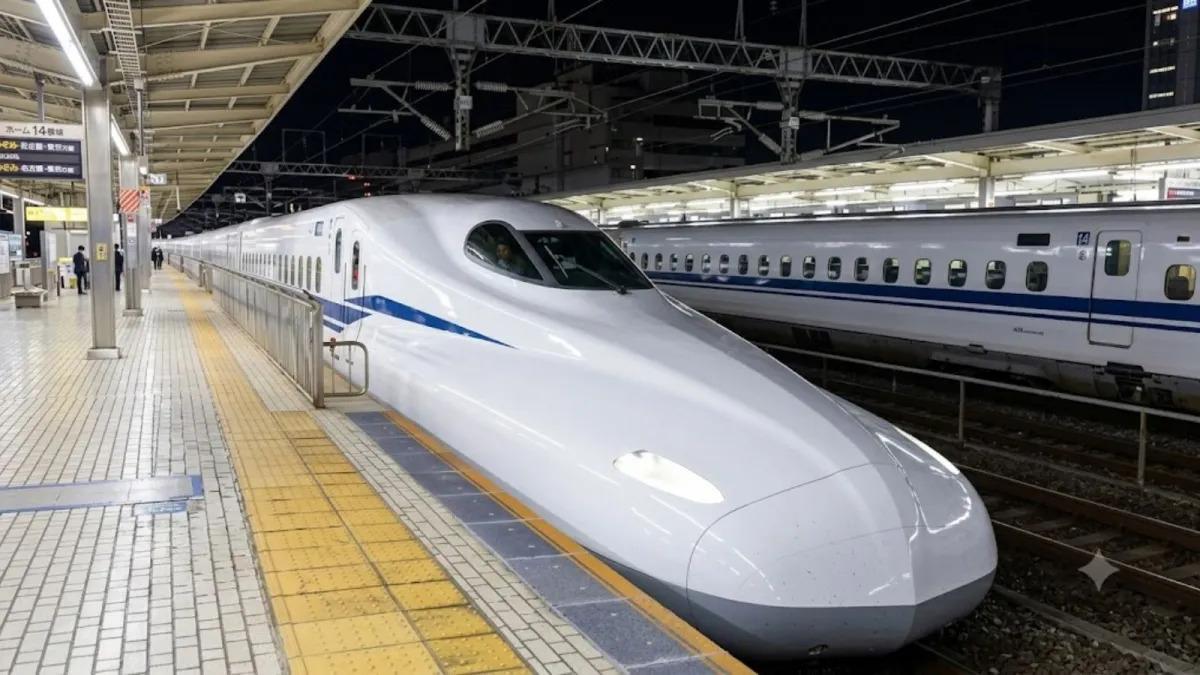
Shukuri stressed that the safety of such an arrangement would have to be established before trains carrying passengers at speeds of around 300 kmph could operate.
“He stressed that the safety of such an arrangement would have to be established before trains carrying passengers at speeds of around 300 kmph could operate”
Mumbai-Ahmedabad project timeline
The Mumbai-Ahmedabad High Speed Rail project was initially scheduled for completion in 2022 but the first section is now expected to open in 2027 using domestically manufactured rolling stock.
“The Mumbai-Ahmedabad High Speed Rail project was initially scheduled for completion in 2:022. The first section is now expected to open in 2027”
Total Systems Approach
Shukuri described the 'Total Systems Approach' as planning and operating high-speed rail as an integrated system including civil engineering, tracks, signalling, rolling stock, maintenance, personnel and management.
“Shukuri argued that high-speed rail must be planned and operated as an integrated system, rather than as a collection of separate infrastructure and technology contracts”
Safety and trials
Shukuri emphasized that crash avoidance is critical in high-speed rail and that sufficient trials must be conducted before final systems enter service.
“Crash avoidance is particularly important in high-speed rail, Shukuri said, stressing that the system must be designed around preventing collisions”
India's domestic train plan
India plans to begin operations on the priority section with domestically manufactured rolling stock while developing local high-speed train manufacturing capabilities.
“India’s decision to begin operations on the priority section with domestically manufactured rolling stock reflects its plan to start services on part of the corridor while developing local high-speed train manufacturing capabilities”
System compatibility challenge
The central question is whether trains, tracks, signalling and operating procedures can function together as one safe and reliable system.
“The central question, therefore, is not just which train is available first, but whether the trains tracks signalling and operating procedures can function together as one system”
Japan's experience
Japan has over six decades of experience in high-speed rail construction and operations, with its first Shinkansen service beginning in 1964.
“Japan’s first Shinkansen service began in 1964, giving it more than six decades of experience in high-speed rail construction and operations”
Decision-making process
Shukuri said the decision on which train system to adopt will depend on discussions between the parties directly involved and the governments of India and Japan.
“He declined to recommend which technology India should choose, saying the decision would depend on discussions between the parties directly involved and the governments of india and japan”
Timeline for opening
The priority section of the Mumbai-Ahmedabad corridor is expected to begin operations in 2027, but full integration will take longer.
“The priority section is expected to begin operations in 2027, but decisions on system compatibility and standardisation will be important to the corridor’s subsequent development”
No system preference
Shukuri stated he would not comment on whether the Indian or Japanese system should be selected for the corridor.
“Shukuri said he would not comment on whether the indian or japanese system should ultimately be selected”
What it means
Japan expert Masafumi Shukuri states India must demonstrate safe operation of Indian and Japanese bullet trains on same track before selecting system for Mumbai-Ahmedabad project.