From The Conversation · Sean McCann · · 1m 30s
Grocery receipts hide toxic chemicals
Handling receipts may expose you to bisphenols, but risk is low for most
In brief
Handling receipts may expose you to bisphenols, but risk is low for most Receipts contain bisphenols that can be absorbed through skin, but daily exposure is minimal for most people Originally reported by The Conversation.
Quick answers
- What's in receipts?
- Receipts use thermal paper containing bisphenols like BPA or BPS, chemicals that interfere with hormone signaling.
- Who's at risk?
- Pregnant people, infants, children, and those with endocrine conditions may need to avoid handling receipts.
- What is the key takeaway from Grocery receipts hide toxic chemicals?
- Receipts contain bisphenols that can be absorbed through skin, but daily exposure is minimal for most people
What's in receipts?

Receipts use thermal paper containing bisphenols like BPA or BPS, chemicals that interfere with hormone signaling.
Bisphenols explained
Bisphenols are industrial chemicals used in plastics and food containers, with BPA being the most common type.
How they affect you
Bisphenols act as endocrine disruptors, potentially affecting fetal development and increasing risks for heart disease and diabetes.
Safety standards
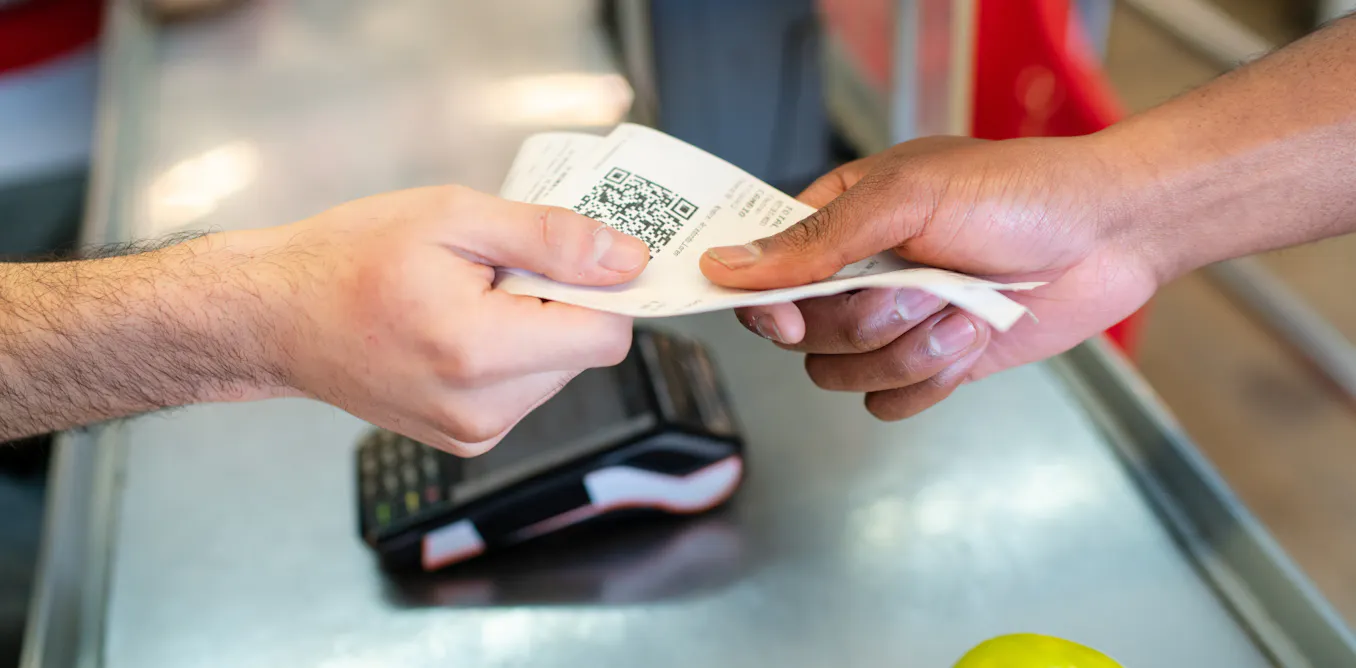
Receipt exposure levels are 50 million times below European safety limits, but workers handle higher doses.
Who's at risk?
Pregnant people, infants, children, and those with endocrine conditions may need to avoid handling receipts.
Precautions
Use email receipts, tuck printed receipts in bags, or wear gloves to reduce skin absorption.
BPA ban history
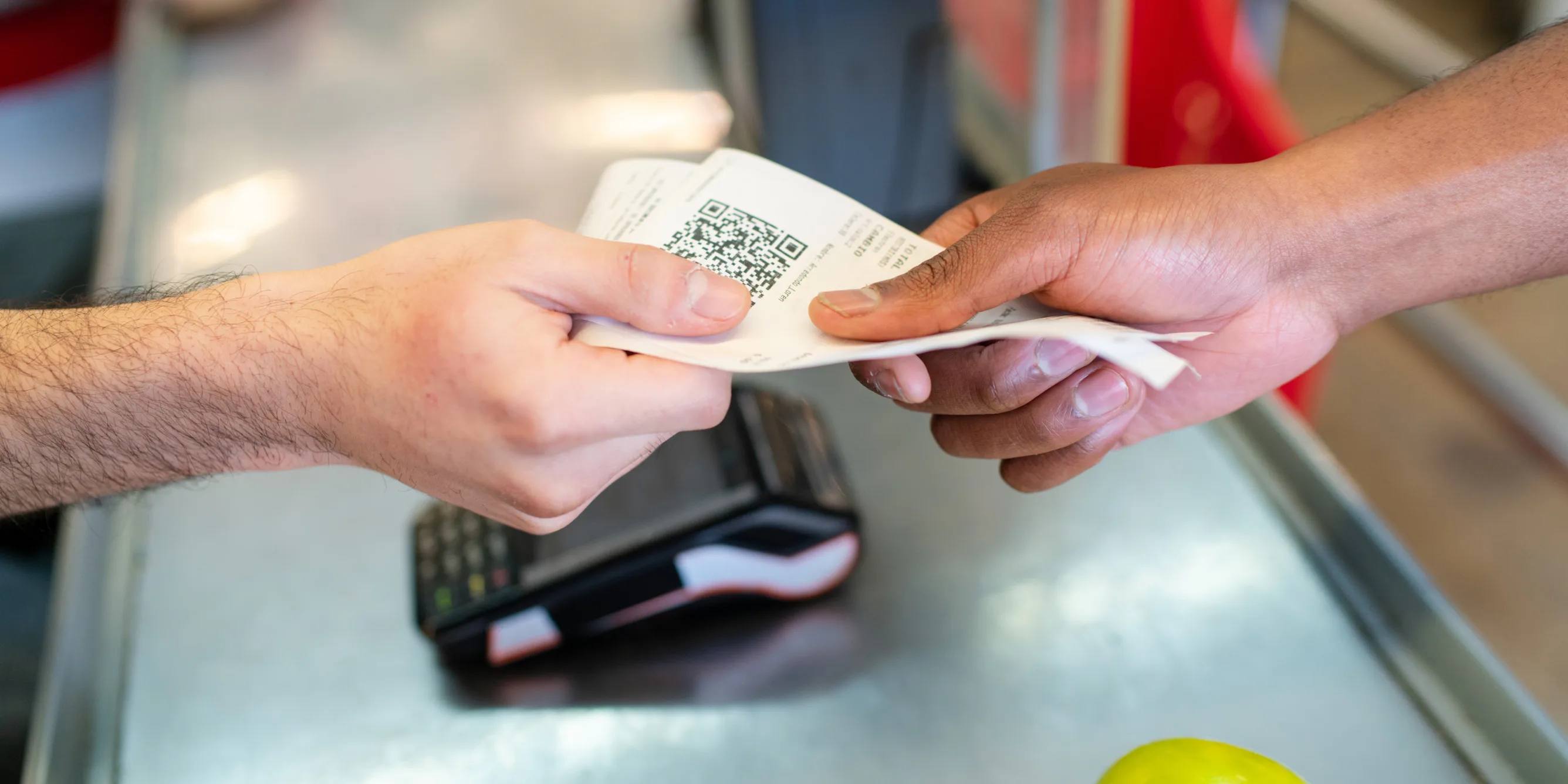
BPA is banned in baby bottles in the US but not other products, with many companies switching to BPS alternatives.
Why receipts are safe
Daily receipt exposure is minimal, less than one drop of water in an 8-ounce glass.
The real risk
Most bisphenol exposure comes from food containers, not receipts, making receipt handling low risk for most.
What to do

For sensitive groups, avoid receipts; for others, email receipts or store them briefly to minimize exposure.
What it means
Receipts contain bisphenols that can be absorbed through skin, but daily exposure is minimal for most people





