From The Conversation · Christopher P. Holstege · · 1m 10s
Ketamine's Role in Cornell Rape Allegations
Ketamine use in alleged Cornell rape highlights campus drug risks.
In brief
Ketamine use in alleged Cornell rape highlights campus drug risks. Ketamine and other psychoactive drugs are increasingly used in sexual assaults on college campuses, complicating consent and victim reporting. Originally reported by The Conversation.
Ketamine in Sexual Assault
Ketamine and other psychoactive substances can’t be detected by most standard drug screens, so it’s unclear how often they play a role in sexual assault.
Cornell Rape Allegation
Former Cornell student Jane Doe filed a civil lawsuit in September 2026 alleging seven fraternity members raped her at a party.
Ketamine's Medical History

Ketamine was first synthesized in 1962 and approved as a general anesthetic by the FDA in 1970.
Ketamine's Street Names
Ketamine is sold on the street under slang names like K, Ket, and Vitamin K.
Ketamine Use in Sexual Assault
Research suggests most often both parties use mind-altering substances voluntarily, though perpetrators may spike victims' drinks.
Ketamine's Effects
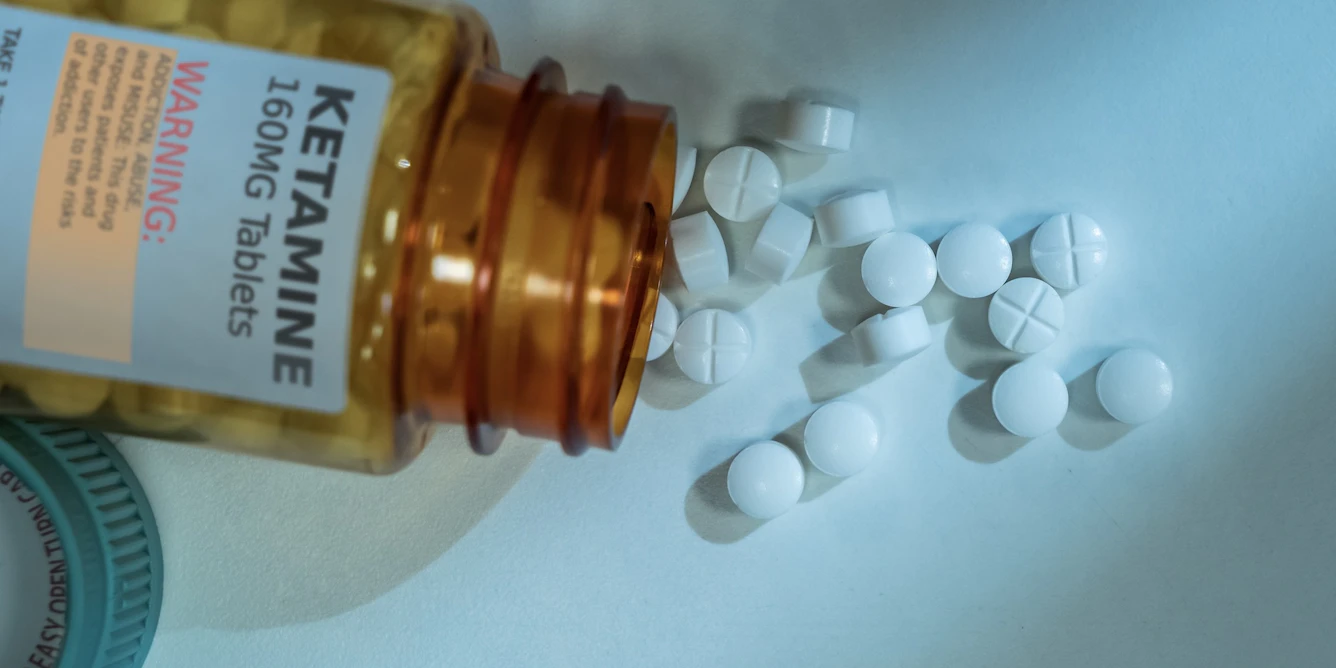
Ketamine causes dissociation, confusion, drowsiness, and memory loss, impairing judgment and consent.
Ketamine's Rising Use
Ketamine use in sexual assaults has increased since the early 2010s due to easier access and street versions.
The key point
Ketamine and other psychoactive drugs are increasingly used in sexual assaults on college campuses, complicating consent and victim reporting.