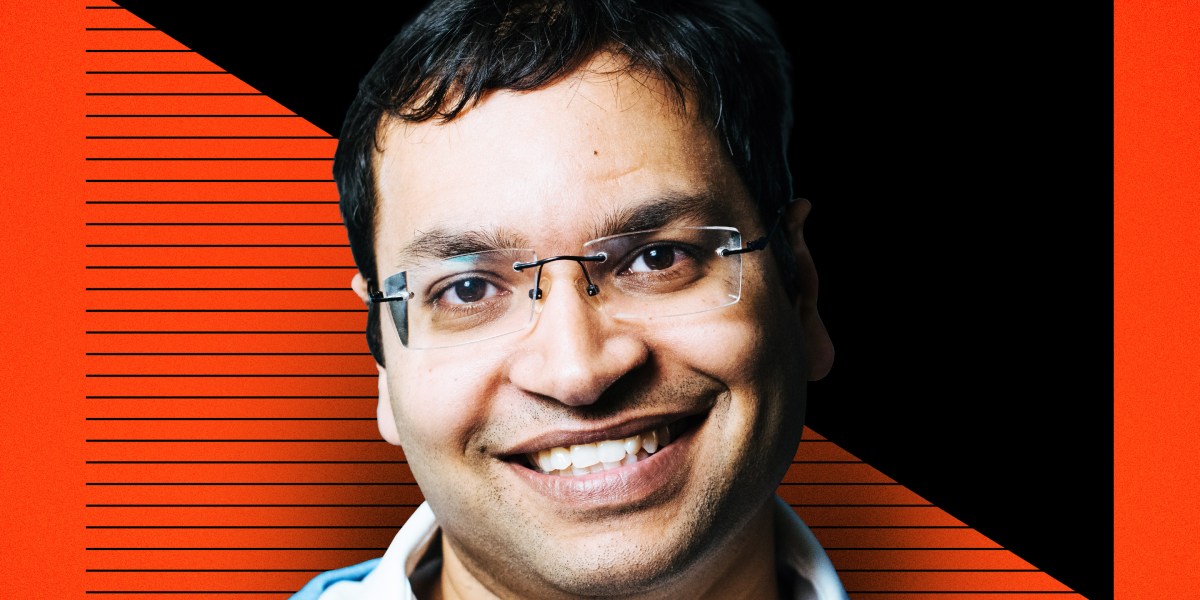
From Financialexpress · Aditi · · 2m
Thomas Kailath's ₹101 Reward and Tata Loan
Pune boy Thomas Kailath earned MIT's first Indian PhD through kindness of strangers and a ₹101 reward.
In brief
Pune boy Thomas Kailath earned MIT's first Indian PhD through kindness of strangers and a ₹101 reward. Thomas Kailath, a Pune boy who earned MIT's first Indian PhD in electrical engineering, used a ₹101 reward and Tata family loan to overcome financial barriers and become a pioneer in wireless communication and…
Early academic challenge
Thomas Kailath struggled with math until sixth standard, scoring 35 to 40 marks.
“He had no answer to a question about Maxwell's equations”
MIT's early test
In 1960, MIT professors gave Kailath a question about Maxwell's equations he couldn't answer.
“He already held an MIT master's degree and was deep in research”
Kindness of strangers
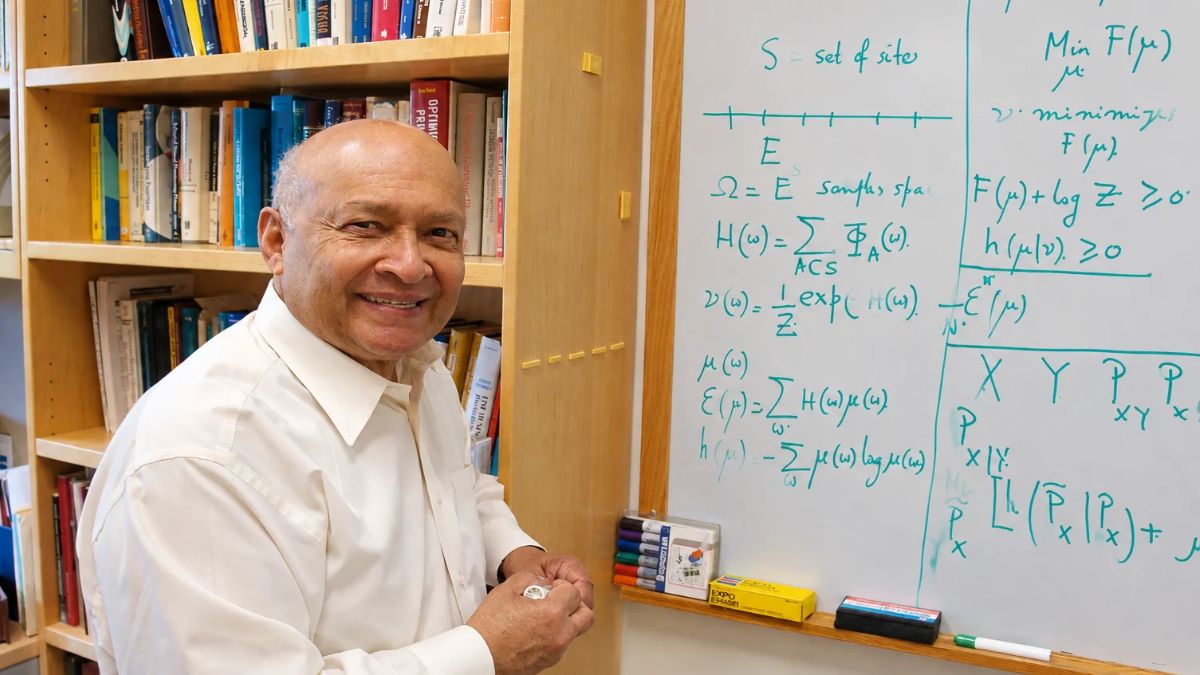
Kailath's father's employer rewarded top students with ₹101, helping him get a Tata loan.
“The parents received ₹100, while the remaining rupee was meant for chocolates”
Tata family connection
Dorabji Tata Trust offered Kailath a loan to cover travel expenses to the US.
“The trust also helped him prepare for life abroad”
MIT's golden age
Kailath joined MIT in the late 1950s with classmates who became major tech figures.
“His classmates included Irwin Jacobs, Robert Gallager, Jacob Ziv and Ivan Sutherland”
Rake receiver breakthrough

Kailath's 1959 thesis explained why Rake receiver systems sometimes failed.
“His master's thesis established conditions for measuring time-varying channels”
Semiconductor manufacturing
Kailath helped chipmakers print smaller circuit patterns on silicon wafers.
“The technique extended lithography equipment life costing around one billion dollars”
Stanford's impact
Kailath developed mathematical methods for chipmakers at Stanford University.
“His work on displacement structure drew from Subrahmanyan Chandrasekhar's research”
Awards and recognition

Kailath received IEEE Medal of Honor, Padma Bhushan and Marconi Lifetime Achievement Award.
“He was the sixth person to receive the Marconi Society's Lifetime Achievement Award”
Family and legacy
Kailath's wife Sarah met him in 1961 during an arranged marriage search in India.
“They married in 1962 and remained together until her death in 2.008”
Chandrasekhar-type algorithms
Kailath developed algorithms using ideas from astronomy and mathematics.
“The resulting fast mathematical methods became known as Chandrasekhar-type algorithms”
Tata loan impact

Kailath's Tata loan helped him travel to the US and study at MIT.
“The trust also helped him prepare for life abroad”
Wireless communication legacy
Kailath's work powers modern mobile phones through signal processing techniques.
“His research helped explain the working of Rake receiver technique”
Semiconductor breakthrough
Kailath's methods reduced wafer testing time from five hours to 10-15 minutes.
“The technique could extend lithography equipment life costing around one billion dollars”
Family legacy
Kailath's wife Sarah's name is associated with a chair in India studies at UC Santa Cruz.
“In 2022, Kailath and his second wife made a gift that helped establish a professorship”
Kindness of strangers
Kailath described his journey as benefiting from the 'kindness of strangers'.
“He borrowed a line from A Streetcar Named Desire to describe his journey”
What to remember
Thomas Kailath, a Pune boy who earned MIT's first Indian PhD in electrical engineering, used a ₹101 reward and Tata family loan to overcome financial barriers and become a pioneer in wireless communication and semiconductor manufacturing.