From Fortune · Nicholas Gordon · · 3m
China's chip sector is closing the gap, and U.S. controls backfired
Four years after Washington imposed sweeping export controls on advanced chips, Chinese processors are catching up and the strategy has had the opposite effect.
In brief
Four years after Washington imposed sweeping export controls on advanced chips, Chinese processors are catching up and the strategy has had the opposite effect. U.S. export controls on advanced chips imposed in October two thousand twenty-two have failed to freeze China's chip industry, instead spurring Beijing to…
The critic who warned Washington
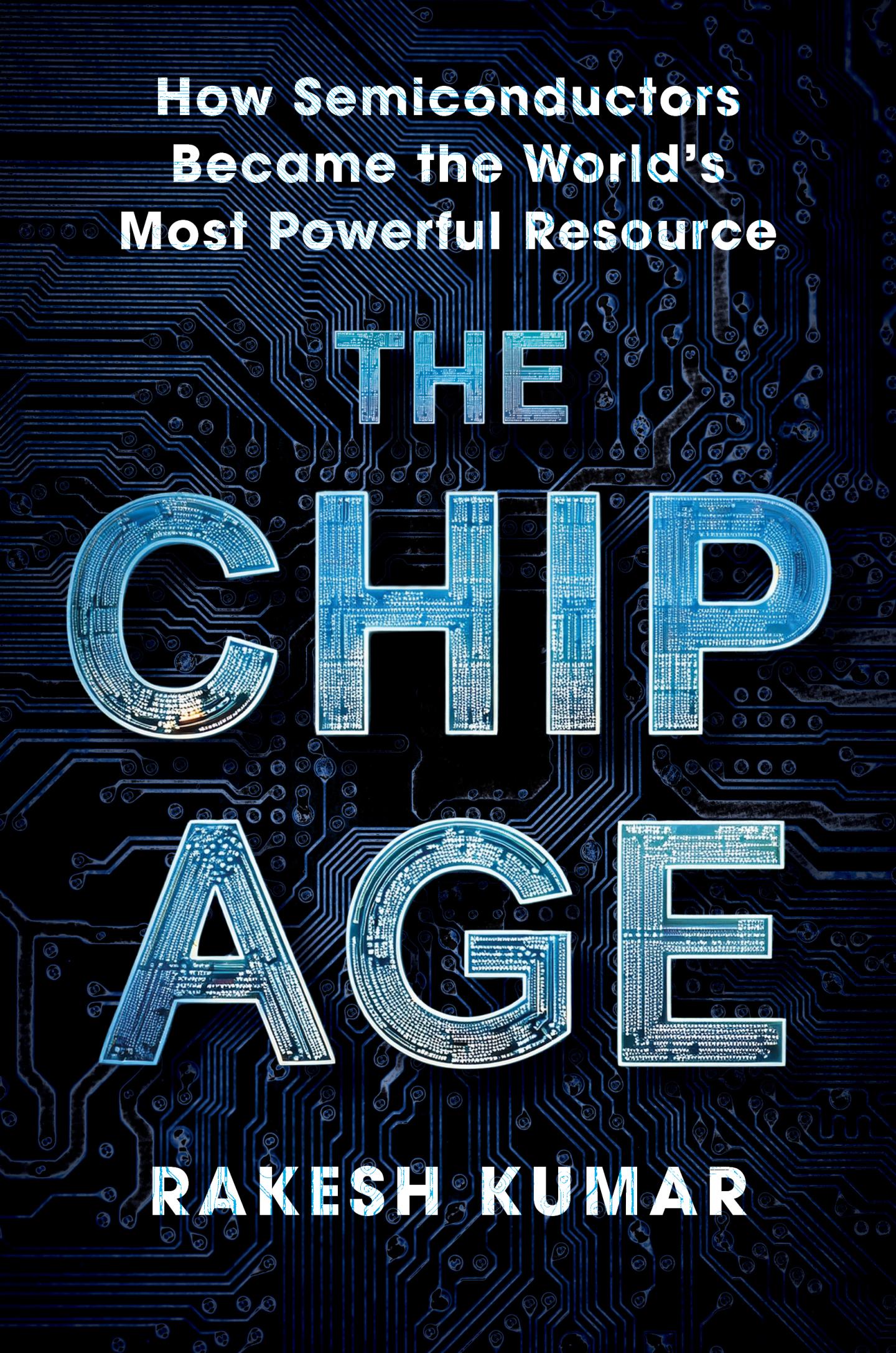
Rakesh Kumar, a professor at the University of Illinois Urbana-Champaign and author of Chip Age, spent four years warning Washington that export controls on Chinese chips would not work.
The warning before the crackdown
Days before the Biden administration unveiled sweeping export controls on advanced chips and chipmaking equipment in October two thousand twenty-two, Kumar warned in Fortune the crackdown would not work.
“You can't win an important race by hoping to trip your opponent, especially when there are significant costs to doing so.”
What the controls were supposed to do

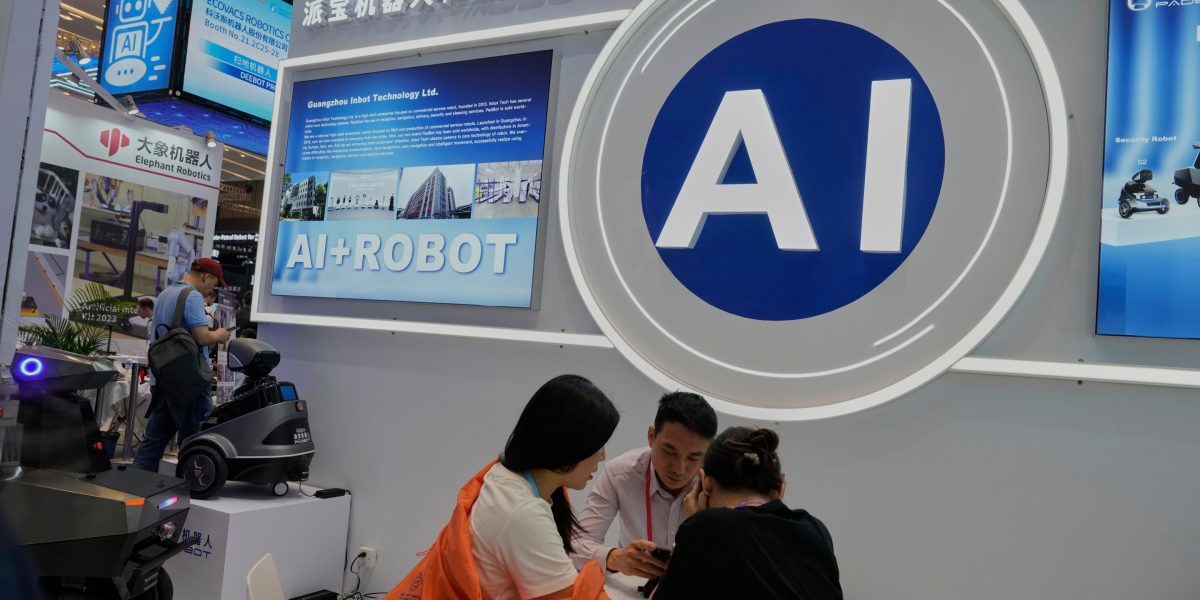
Kumar questions what the export controls were ever meant to achieve, noting that most AI applications do not require the most advanced chips. Robotics and smart cameras work fine with older silicon.
“For most applications of AI, you don't need the most advanced chips.”
The opposite effect
By cutting China off, Washington gave Beijing every reason to build its own alternatives. Export controls spurred China to invest in an ecosystem to serve applications by themselves, Kumar says.
“Export controls spurred China to invest all this money to set up an ecosystem where they can now serve these applications by themselves.”
Huawei's comeback
Huawei, once on the brink of death under U.S.sanctions, is now releasing premium smartphones and AI processors.
Chinese AI models catching up
Chinese AI lab DeepSeek and startup Z.ai have adapted their flagship models to run on Huawei's Ascend processors. Meituan trained a one point six trillion parameter AI model entirely on domestically made chips in June.
Nvidia's market share falls
Nvidia's share of data center chips in China fell to thirty-four percent in the first half of two thousand twenty-six, while shipments of its AI accelerators dropped by forty-four percent compared to a year earlier…
Memory chip breakthrough claim
ChangXin Memory Technologies, China's leading memory chipmaker, said at an industry conference in Shanghai it would debut a new memory chip architecture by the end of the year that would put it ahead of Samsung…
Washington shifts its goal
U.S.officials now talk less about stopping Chinese AI development than about keeping the U.S.at the frontier.They point to workarounds like Nvidia's top-end processors turning up inside China and Chinese labs distilling American models.
Squeezing more from less
Chinese chipmakers have never been able to import extreme ultraviolet lithography machines from Dutch chip-equipment giant ASML because the Dutch government withheld an export license since two thousand nineteen under U.S. pressure.
Huawei's answer to Moore's Law
Rather than cram more transistors onto a single layer of silicon, Huawei is stacking chips in three dimensions.
Strategic success, not commercial
While China's chip self-sufficiency is a strategic success, it is not necessarily a commercial one. Chinese companies are unlikely to be competitive against Western inference providers in the short term, Kumar concedes.
“Can Chinese companies be competitive against Western inference providers? The answer would likely be no, at least in the short term.”
AI is saving the chip industry
Before ChatGPT, chipmakers faced a post-COVID chip glut. AI demand is now sustaining the industry. But if demand tapers or chipmaking economics stall, China may catch up as the West's lead stops growing.
“AI is, in some sense, saving the chip industry.”
The takeaway
U.S. export controls on advanced chips imposed in October two thousand twenty-two have failed to freeze China's chip industry, instead spurring Beijing to build domestic alternatives that now compete with American technology.