From Foreign Affairs · Allison Minor · · 4m
Gulf states must broker Iran ceasefire
With the US and Iran locked in stalemate, Arab monarchies offer a face-saving path to end eight months of mutually destructive war.
In brief
With the US and Iran locked in stalemate, Arab monarchies offer a face-saving path to end eight months of mutually destructive war. The US and Iran are deadlocked in an eight-month war neither can win. Gulf Arab states can broker a ceasefire by offering Iran economic relief in exchange for reopening the Strait of…
Eight months of mutual failure
The US and Israel have sunk Iran's navy but cannot achieve regime change, destroy its nuclear program, or reopen the Strait of Hormuz. Iran survives bombing but cannot break the American blockade.
Both sides prefer stalemate
Neither the US nor Iran will make necessary concessions. Both maintain the delusion of achievable victory and justify continued fighting by the pain inflicted on adversaries.
A face-saving solution emerges

Gulf Arab states could broker a ceasefire. Iran lifts Strait of Hormuz restrictions in exchange for economic relief. The US lifts its blockade. Neither side makes direct concessions to the other.
What each side avoids
The US keeps its maximum pressure campaign and does not lift it. Iran does not agree to limit its nuclear program. Both claim victory without painful compromises.
Gulf states have skin in the game
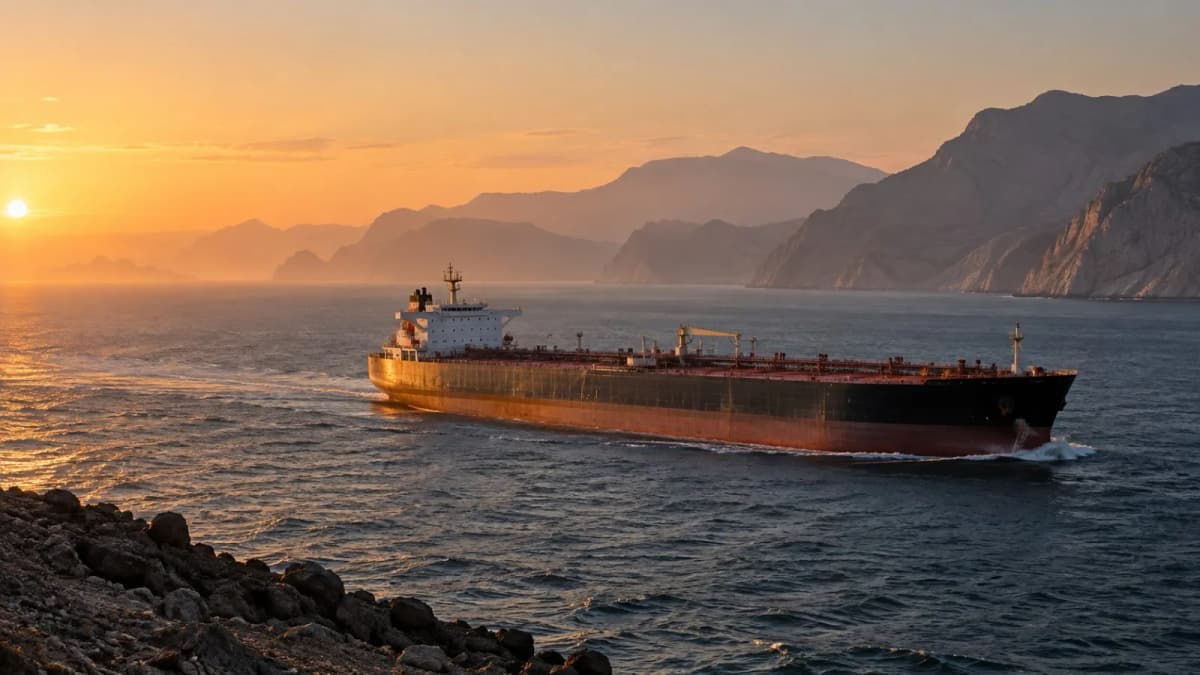
The Gulf depends on oil and gas exports through the Strait of Hormuz. Continued conflict threatens their economic and political models. Their diversification efforts are vulnerable to Iranian attacks.
Why direct deals fail
The US and Iran have a historical template for agreements. But Trump wants sweeping concessions Iran won't give. Iran wants benefits matching its June memorandum of understanding with Washington.
The Strait of Hormuz mechanism
Ships would use Iran's preferred traffic pattern but Iran would not formally control the passage. This acknowledges Iran's role without setting unacceptable precedents for international commerce.
Deterring future US attacks
Gulf states would assure Iran they would use leverage with Washington to deter future military campaigns. In May, Kuwait and Saudi Arabia paused US access and overflight approvals over escort concerns.
Trump's exit strategy
Trump could exit the war claiming he saved the world from high energy prices without making economic and nuclear concessions like the Obama administration did in the 2015 agreement.
Iran's regional leverage
If Israel or the US undermines the arrangement, it accelerates Washington's credibility decline with Gulf partners. The US already stressed these relationships by going to war with Iran without their request.
Iran's future security calculus
Once the war ends, the next Israeli request for an American attack on Iran faces a president weighing global economic instability against Israeli security. The threat may not outweigh economic risk.
Regional talks already underway
On October 26, Saudi officials traveled to Tehran to meet Iranian counterparts alongside leaders from Pakistan and Turkey. Gulf countries had planned a September 14 meeting in Salalah, Oman, that never happened.
The cohesion problem
Gulf states must overcome internal divisions, particularly between Saudi Arabia and the United Arab Emirates. They must isolate the Iran issue from larger bilateral tensions and coordinate on redlines.
The Houthi complication
Saudi Arabia holds Iran accountable for Houthi attacks because Iran built the group's capabilities and provides technical and material support. But Iran does not control the Houthis directly.
Iran's Iraqi militia card
Iran could credibly promise Riyadh that Tehran-backed Iraqi militias will stop attacking Saudi Arabia. Iraqi militia attacks took the kingdom's valuable East-West oil pipeline offline on September 10.
Why this deal might fail
Iran might conclude control of the strait is its best security guarantee. The US might struggle to acknowledge the war will not achieve promised outcomes. A ceasefire leaves underlying issues unresolved.
The economic deadline
Strategies to blunt global oil and gas shortage consequences will likely wear thin in 2027 as governments deplete strategic reserves, Chinese demand increases, and alternative supply routes come under Iranian attack.
The least bad outcome
A comprehensive Iran deal is not feasible today. A Gulf-brokered outcome on the Strait of Hormuz may be the only way to stop a mutually hurting stalemate poised to last years.
“the bystanders that have already lost the most will need to save the warring parties from themselves”
Here's the gist
The US and Iran are deadlocked in an eight-month war neither can win. Gulf Arab states can broker a ceasefire by offering Iran economic relief in exchange for reopening the Strait of Hormuz, allowing both sides to claim victory.