From Foreign Affairs · Dana Stroul · · 4m
How to Secure the Straits
Iran and the Houthis keep winning at sea because the West keeps fighting them separately. A unified coalition is the only way to stop them.
In brief
Iran and the Houthis keep winning at sea because the West keeps fighting them separately. A unified coalition is the only way to stop them. Separate Western maritime coalitions have failed to deter Iran and Houthi attacks on shipping. A single unified multinational effort combining American military power with…
Iran escalates attacks on shipping

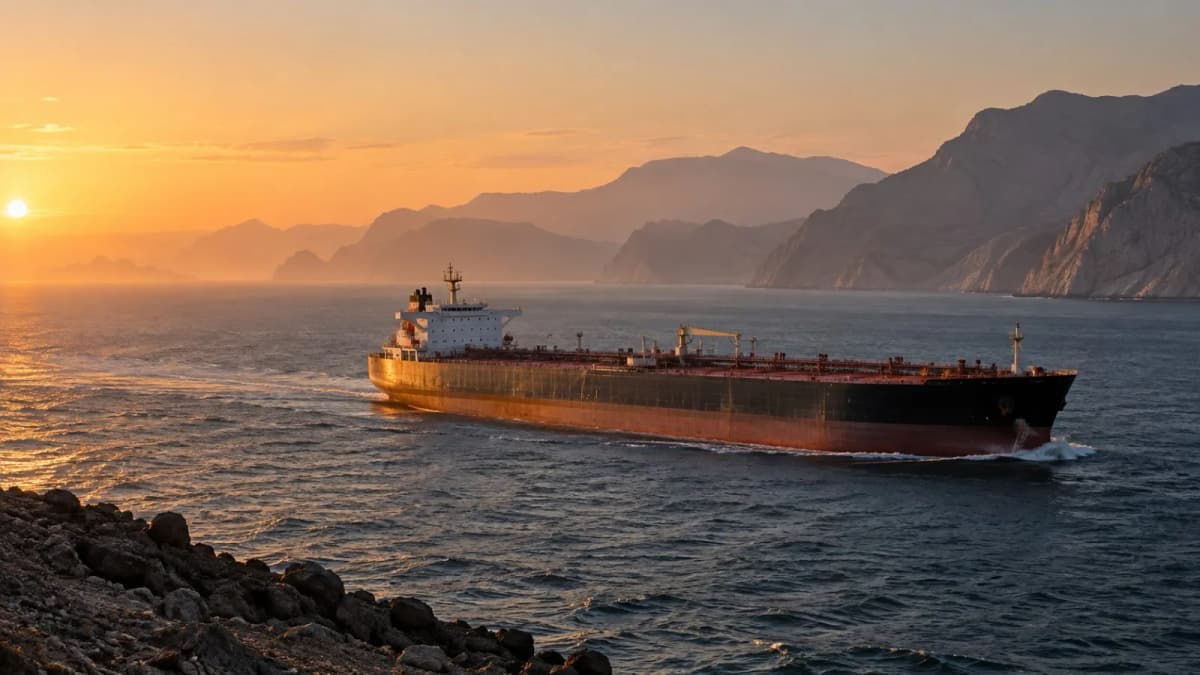
Over the past month, Iran has launched more than one hundred drone and missile attacks into the Strait of Hormuz. In October alone, a container ship and a bulk vessel sank in the waterway.
Houthis threaten Red Sea trade
Yemen's Iran-backed Houthis have sustained their campaign to throttle seaborne trade, targeting Saudi Arabia more directly and seizing new territory along the Bab el Mandeb Strait.
Pattern repeats from 2019 and 2023
In two thousand nineteen, Iran attacked shipping in response to maximum-pressure sanctions. In two thousand twenty-three, the Houthis launched assaults following Hamas's October seventh massacre in Israel.
Previous coalitions helped but didn't deter
After each campaign, the United States and partners established maritime coalitions to protect trade routes. The efforts helped secure waterways, but never persuaded Iran and proxies that asymmetric attacks were ineffective.
Some shipping persists despite threats
On October fifteenth, Lloyd's List Intelligence reported that transit through the Bab el Mandeb Strait was up modestly from August. U.S. naval patrols and ship-to-ship transfers allow some oil through Hormuz.
Current coalitions remain fragmented
The British and French propose a multinational maritime defense coalition for Hormuz.Saudi Arabia plans its own alliance for the Red Sea.
Separate missions cannot deliver deterrence
Multiple short-term, insufficiently coordinated defensive missions can buy down marginal risk for shippers but cannot deliver long-term deterrence. Separate missions embolden Iranian and Houthi leaders.
Two thousand nineteen: maximum pressure campaign
After the first Trump administration launched maximum-pressure sanctions against Iran, Tehran attacked tankers off the United Arab Emirates and in the Gulf of Oman and seized a British-flagged oil tanker.
Insurance and freight costs spike
Insurance premiums spiked tenfold, and freight rates for crude-oil-carrying tankers jumped nearly forty percent. Washington established the International Maritime Security Construct headquartered in Bahrain.
Europe forms separate mission
By end of two thousand nineteen, Albania, Australia, Bahrain, Saudi Arabia, the UAE and the United Kingdom had joined the IMSC.Most European countries abstained, frustrated with Trump's withdrawal from the two thousand fifteen nuclear deal.
Eight European nations choose de-escalation
Eight European countries joined a French-led mission called European Maritime Awareness in the Strait of Hormuz, which emphasized de-escalation, surveillance and encouraging regional dialogue with Iran.
Two thousand twenty-three: Red Sea crisis
When the Houthis began threatening shipping in the Red Sea, spiking maritime insurance rates and forcing vessels to detour around the Cape of Good Hope, the United States and Europe organized separate responses.
U.S. launches Operational Prosperity Guardian
In December two thousand twenty-three, the United States launched Operational Prosperity Guardian, a naval coalition soon joined by more than twenty countries.
Tactical success, strategic failure
The two thousand nineteen to two thousand twenty-four missions achieved important tactical successes by improving maritime awareness and intercepting attacks. But lack of long-term coordinated strategy weakened the response.
Iran exploits gaps between missions
According to a two thousand twenty-one assessment by the Dutch government, the Netherlands assumed Iran could differentiate between European and American-led missions and would be less aggressive toward European vessels.
Iran and Houthis learned to exploit divisions
After surviving wars intended to collapse their regimes, Iran and the Houthis emerged more willing to hold global commerce at risk.They learned they do not need to fully close maritime chokepoints.Simply threatening them changes decision-making.
Economic damage spreads globally
In October, the World Bank projected that Gulf economies would contract by four point three percent in two thousand twenty-six, thanks in no small part to closure of the Strait of Hormuz and Iranian attacks…
Europe and Middle East must merge efforts
European and Saudi leaders need to merge their maritime planning efforts and invite the United States to join.
Unified response deters adversaries
Iran would think twice before attacking a mission made up of dozens of navies all working together. Leaders in Tehran will take notice of a unified international response to Iranian and Houthi maritime aggression.
“Iran would think twice before attacking a mission made up of dozens of navies”
The bottom line
Separate Western maritime coalitions have failed to deter Iran and Houthi attacks on shipping. A single unified multinational effort combining American military power with European, Middle Eastern and Asian forces is needed to secure both the Strait of Hormuz and the Red Sea.