From Foreign Policy · Shawn A. Howard · · 5m
Gulf States Are Hedging and Suffering
As war with Iran drags on, Gulf states find that appeasing Washington, diversifying allies, and back-channeling with Tehran all fail to protect them from escalating costs.
In brief
As war with Iran drags on, Gulf states find that appeasing Washington, diversifying allies, and back-channeling with Tehran all fail to protect them from escalating costs. Gulf states cannot insulate themselves from regional conflict through hedging alone. They depend on the U.S. for protection while that protection…
Gulf states face an impossible paradox
The six GCC members still need U.S. protection from Iran, but that protection has proven limited while making Iranian attacks more likely. They're caught between dependence and vulnerability.
Three overlapping survival strategies
Gulf states continue military cooperation with the U.S., diversify regional security partnerships, and engage directly with Tehran through back-channels. Each strategy alone has failed to provide security.
Gulf frustration with Washington grows

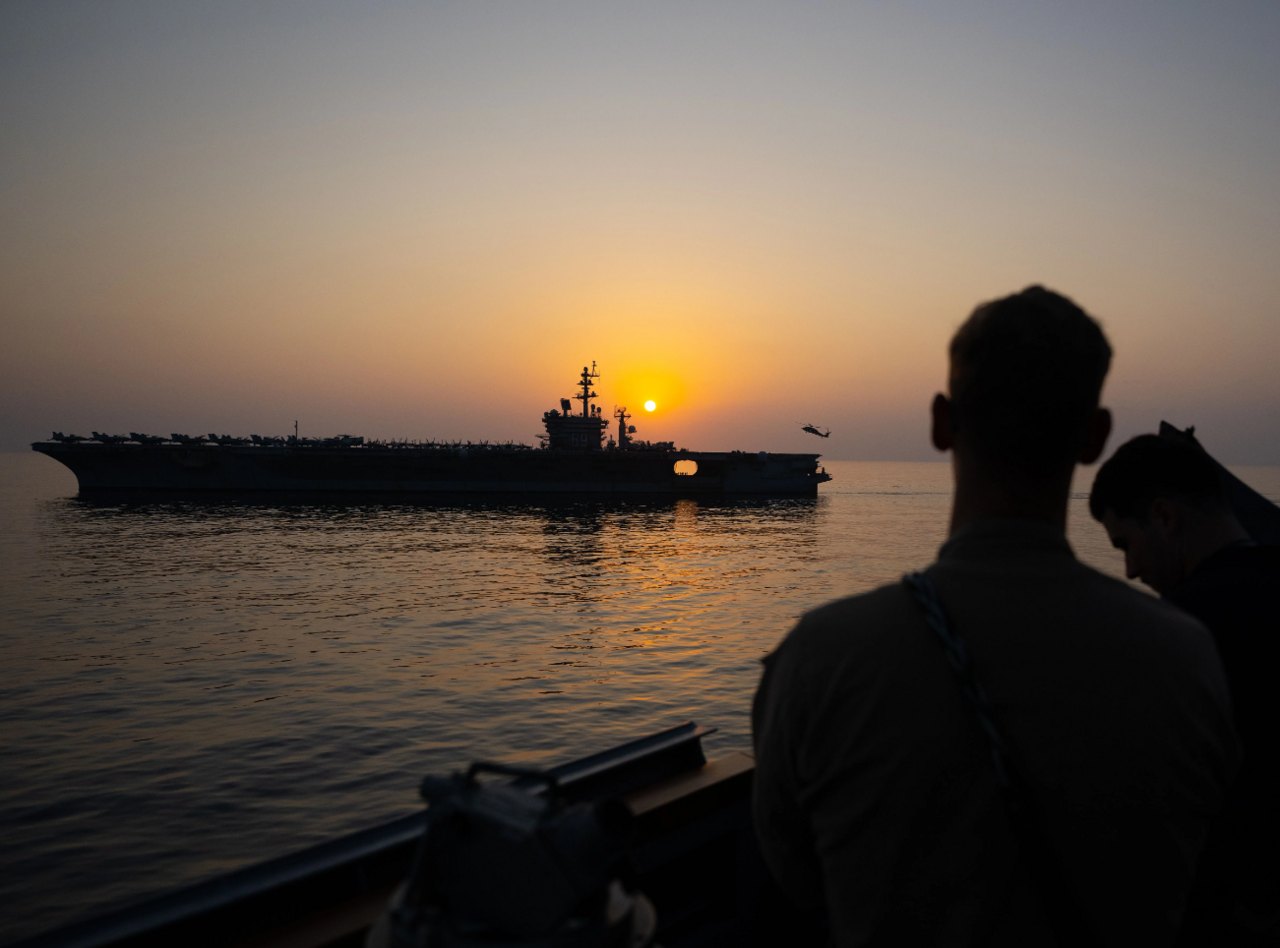
One Gulf official told the Washington Post in mid-August: "Trump started this war and we are paying the price." The region bears mounting economic, material, and human costs while the U.S. shifts toward economic coercion.
“Trump started this war … and we are paying the price.”
Saudi Arabia sought binding U.S. commitment
Before the war, Riyadh pushed for a NATO-style mutual defense treaty with Washington. The November 2025 Strategic Defense Agreement was less binding but included approval for advanced F-35 fighter jets.
U.S. protection proved inadequate
When war came, Saudi Arabia found the U.S. avoided consultations, vacillated on strategy, couldn't fully protect the region, and declined Saudi requests for direct airstrikes when fighting reignited with the Houthis in Yemen.
Saudi Arabia diversifies security partners
Riyadh allowed Pakistan to deploy 8,000 troops and a fighter squadron by May. In July, Saudi Arabia launched a 13-nation Multinational Maritime Defense Alliance to protect the Red Sea.
Saudi Arabia signs Mecca Joint Defense Agreement
In August, Saudi Arabia expanded its alliance with Pakistan to include Turkey, creating a collective security pact with an unambiguous mutual defense clause and a permanent secretariat in Riyadh.
Saudi Arabia restrains U.S. escalation
In May, Riyadh refused to allow U.S. bases and airspace for Operation Project Freedom, forcing the Trump administration to cancel the naval convoy operation through the Persian Gulf.
Crown Prince repeatedly urges de-escalation
Saudi Crown Prince Mohammed bin Salman, along with Qatar and UAE leaders, asked Trump to hold off on strikes in late May and again in early August when Trump threatened Iran with unprecedented military force.
Oman plays diplomatic intermediary
With 5.4 million people versus Iran's 88 million, Oman relies on pragmatic coexistence and strategic ambiguity. Muscat acts as intermediary among Tehran, the GCC, and Washington despite Iranian strikes on its territory.
Trump threatens Oman with military action
The U.S. has threatened Oman with military action at least twice, most recently warning in August that the U.S. would bomb Oman if its diplomacy got in the way of American objectives.
UAE takes hawkish stance but negotiates secretly

Abu Dhabi coordinated covert air campaigns with the U.S. and Israel against Iranian targets, yet simultaneously pursued back-channel negotiations with Tehran to protect its interests.
UAE endures heaviest Iranian attacks
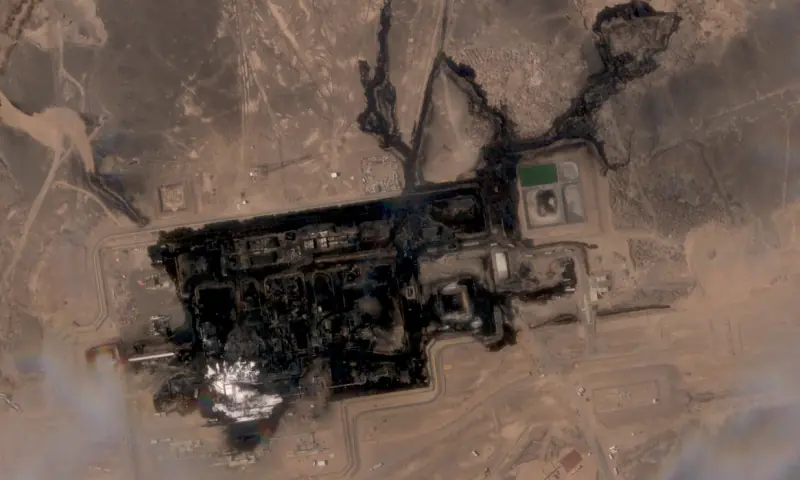
The UAE withstood more Iranian infrastructure attacks than any other GCC member. Iran struck the Fujairah Oil Industry Zone in early May and a generator near the Barakah nuclear plant later that month.
UAE reportedly paid Iran 20 billion dollars
Reuters reported in June that the UAE agreed to provide as much as 20 billion dollars to Iran in exchange for a cessation of hostilities against Emirati infrastructure. Abu Dhabi denied the deal but attacks temporarily declined.
Qatar balances U.S. base with Iran diplomacy
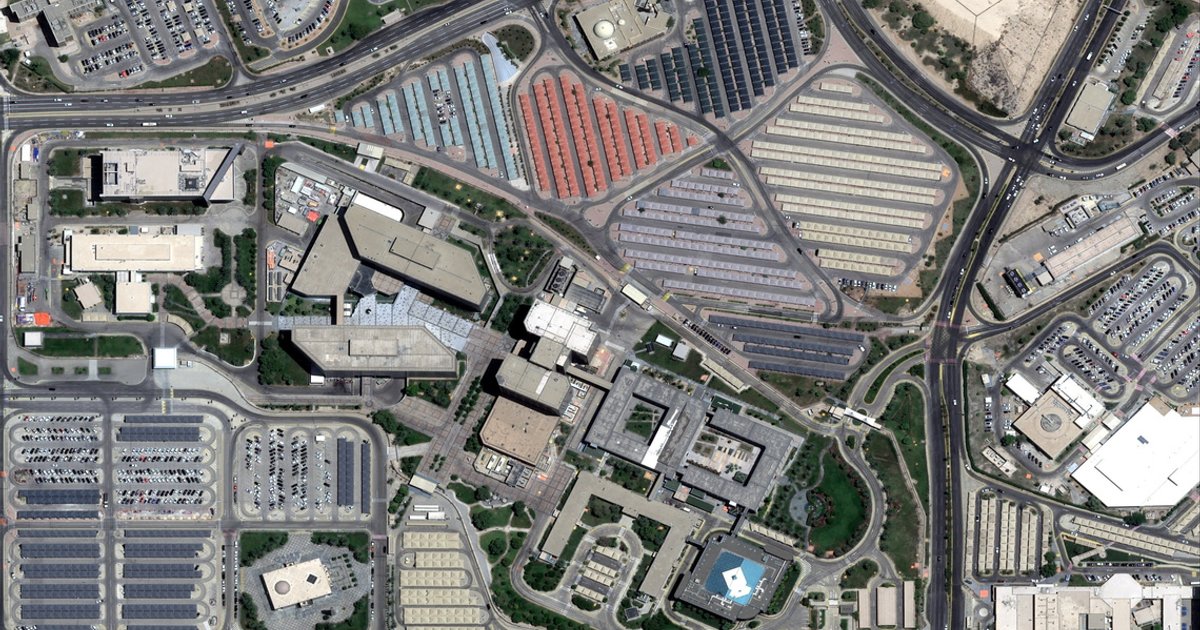
Qatar hosts Al Udeid Air Base, the largest U.S. air base in the region, but opposed escalation from the start and maintained diplomatic channels with Tehran throughout the conflict.
Qatar loses 20 billion in gas revenue
Qatar and Iran share the world's largest natural gas field. Iran struck Qatar's Ras Laffan complex in March, knocking out 17 percent of its liquefied natural gas export capacity and costing an estimated 20 billion dollars annually.
Kuwait remains closest to Washington
Kuwait's historical ties to the U.S. from the first Gulf War keep it squarely under the American security umbrella, despite frustration with the current conflict and temporary restrictions on U.S. base access.
Iran threatens Kuwait with ground attacks
In July, an Iranian lawmaker publicly floated the possibility of ground attacks on Kuwait if the U.S. launched a ground war against Iran. Kuwait captured four Islamic Revolutionary Guard Corps operatives on its territory in May.
All hedging strategies have failed
Back-channel deals offer no guarantee of protection from Iranian attacks. U.S. reliance provides incomplete security. As the conflict stretches on with no clear end, Gulf states remain trapped between dependence and vulnerability.
The bottom line
Gulf states cannot insulate themselves from regional conflict through hedging alone. They depend on the U.S. for protection while that protection increases Iranian attacks, forcing them toward greater accommodation with Tehran.