From Foreign Policy · Faysal Itani, Nicholas Heras · · 2m
Lebanon's amnesty law signals a Sunni power shift
A new law freeing Islamist prisoners shows how regional upheaval is reshaping Lebanon's sectarian balance.
In brief
A new law freeing Islamist prisoners shows how regional upheaval is reshaping Lebanon's sectarian balance. Lebanon's Sunni community is gaining political leverage as Hezbollah weakens and Syria's new leadership emboldens Islamist movements. Originally reported by Foreign Policy.
Lebanon passes first amnesty since 1991
Parliament approved a general amnesty in August, officially to address prison overcrowding. But the law also reflects a subtle shift in sectarian power toward Sunnis.
Thousands of prisoners will be freed
Death sentences become life terms, life terms drop to 17 prison years. Inmates held over 12 years without charges go free automatically.
Every sect protects its own criminals

Hezbollah wants pardons for cannabis and car theft. Christians seek amnesty for families who collaborated with Israel's occupation.
Sunni Islamists get unexpected reprieve
Sunni politicians successfully lobbied to include Islamist prisoners who were heavily targeted by security forces and Hezbollah.
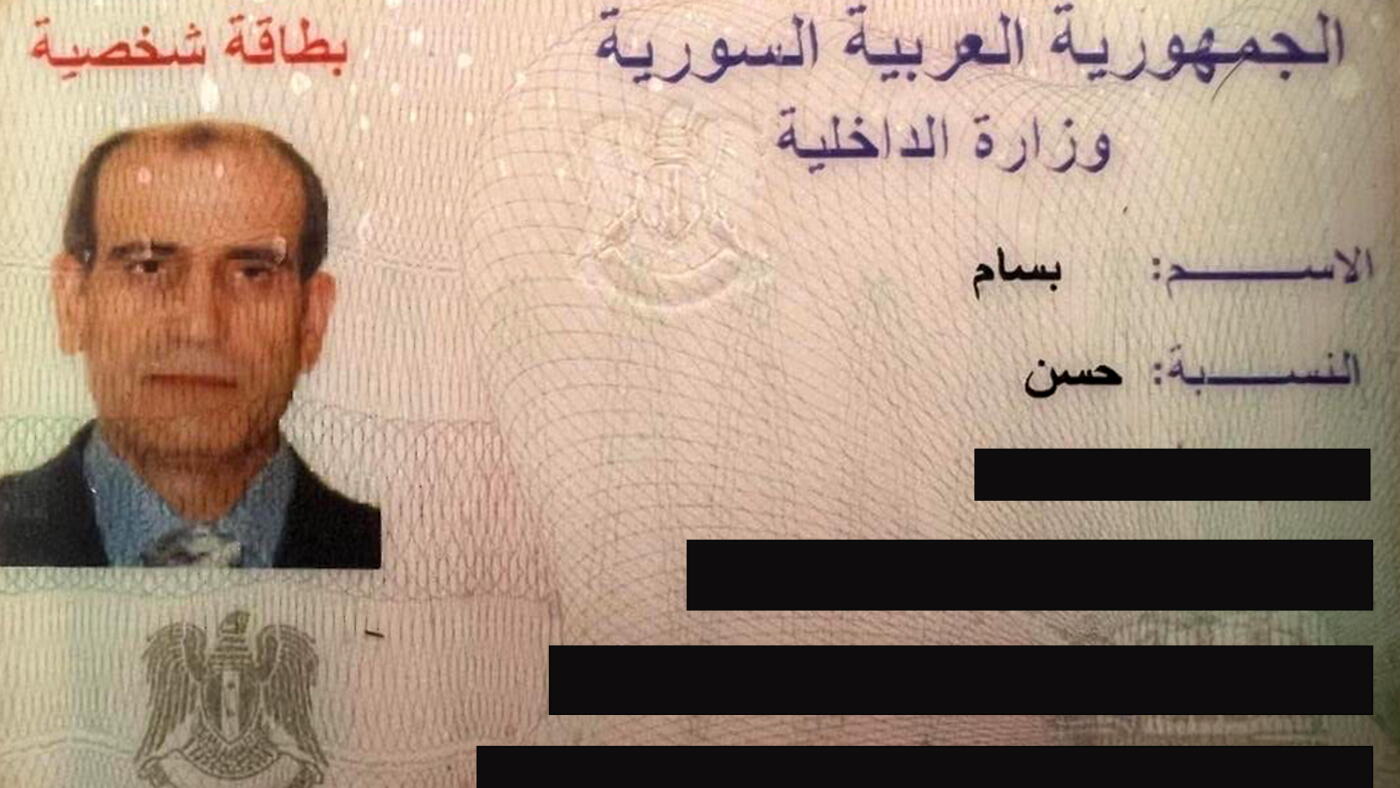
Ahmed al-Assir could walk free soon

The firebrand cleric who killed 18 soldiers fighting Hezbollah was sentenced to death in 2017. He can now be released in about two years.
“There will be mounting anticipation within Lebanon and especially within the Sunni community as Assir finishes his prison term.”
This was unthinkable a year ago
Christians, Shiites, and even Sunni elites were happy to see Sunni extremists jailed. Sunni Islamist parties have historically been fragmented and weak.
Economic despair fuels Sunni radicalism
Much of Lebanon's Sunni community suffers dispossession without the organized welfare Hezbollah provides Shiites. They blame both Hezbollah and their own elite.
Syria's new jihadi president energizes Sunnis
Ahmed al-Sharaa's consolidation in Damascus has galvanized Lebanese Sunnis lacking strong leadership since Rafik Hariri's assassination in 2005.
Israel weakened Hezbollah's grip
As Hezbollah's strategic situation deteriorates, it no longer has the clout to keep militants like Assir behind bars indefinitely.
Sunni elites make a calculated gamble
They're playing populist politics and gaining leverage against Hezbollah. But the Middle East has seen secular leaders lose control of unleashed Islamist forces before.
Conservative cities could shift rightward
Sidon and Tripoli may see Sunni Islamists agitate for reforms. Mainstream Sunni politicians might adopt a more Islamist flavor to stay relevant.
Pressure on Hezbollah will intensify
Sunni Islamists will likely push for policies popular across the community, like taking a more aggressive stance against Hezbollah.
The takeaway
Lebanon's Sunni community is gaining political leverage as Hezbollah weakens and Syria's new leadership emboldens Islamist movements.