From Foreign Policy · Brawley Benson · · 3m
Russia purges its last anti-war politicians
Ahead of the first State Duma elections since the full-scale invasion of Ukraine, few are left to speak for peace.
In brief
Ahead of the first State Duma elections since the full-scale invasion of Ukraine, few are left to speak for peace. Russia has systematically eliminated all anti-war voices from its parliamentary elections, banning candidates and parties that advocated for peace. Originally reported by Foreign Policy.
Nadezhdin's peace campaign crushed
Boris Nadezhdin ran for parliament as an independent peace candidate. Within weeks, authorities forced him to flee Russia or face prison.
Not a radical, just persistent
Nadezhdin, 63, isn't a firebrand. He thinks his mistake was not disappearing after his failed presidential bid two years ago.
“I must have irritated some Kremlin officials”
The last peace voices purged

Ahead of the first State Duma elections since the invasion, authorities purged the last political elements advocating for peace.
Putin needs the veneer of support
The Kremlin wants the war to appear publicly supported. Putin said the elections will reaffirm stability and express the common will of millions.
Elections could expose war discontent
While the vote poses no threat to Putin, it offers Russians a chance to register displeasure with the war as drones strike deeper into Russia.
The systemic opposition charade

The Duma includes communists and nationalists, but they're all systemic opposition. United Russia holds 70 percent of seats, and the rest broadly support it.
“It's not like a parliament in European countries”
Nadezhdin's decades in the system
Nadezhdin spent his career in systemic opposition. He believed criticizing policy, not Putin himself, would let him remain an advocate for peace.
His presidential run shocked everyone
Two years ago, over 100,000 Russians endorsed Nadezhdin's anti-war presidential campaign before the election commission barred him, citing signature errors.
The pressure escalated quickly
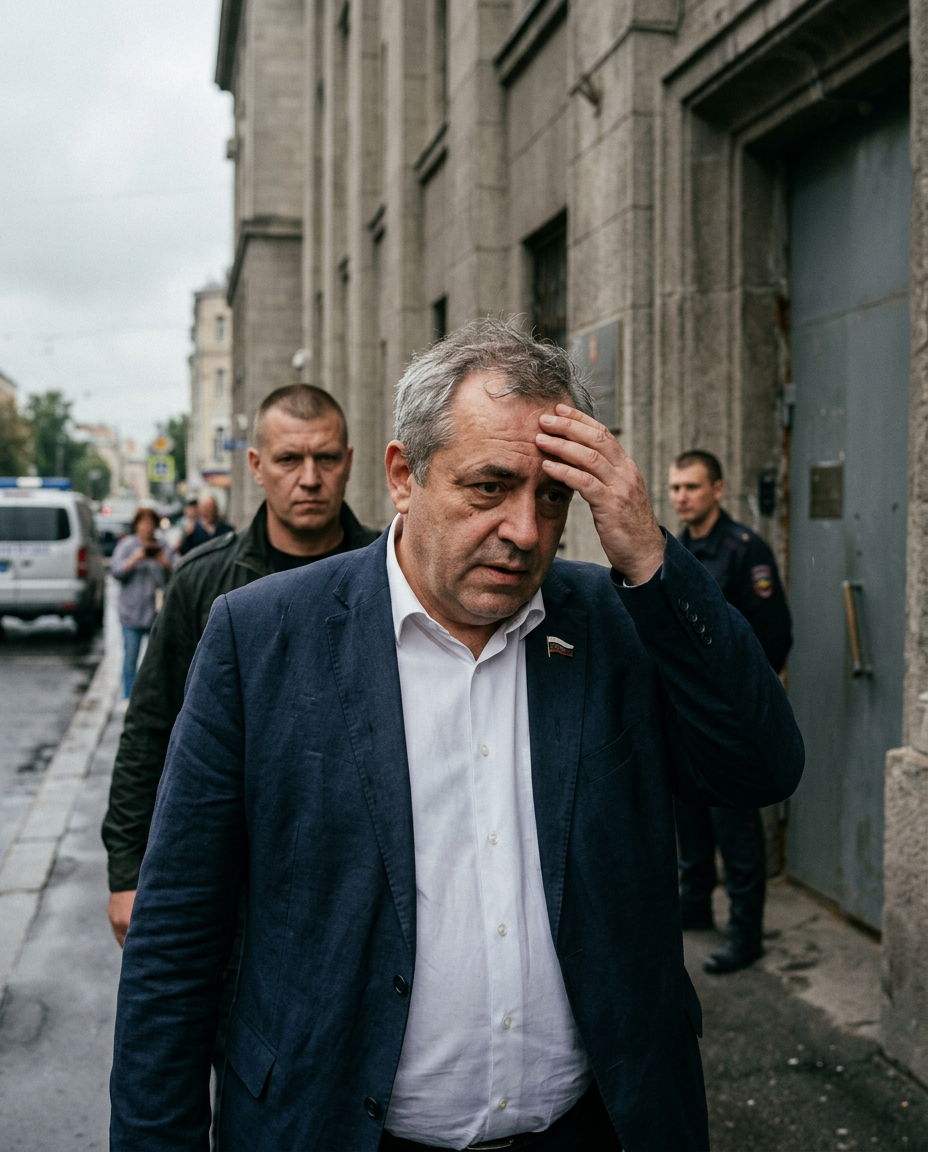
In July, the Justice Ministry branded Nadezhdin a foreign agent. He was convicted of displaying extremist symbols and banned from leaving the country.
A suspicious exit window opened
After receiving a notice from the Investigative Committee, Nadezhdin saw his exit ban lifted. He and his wife flew to Kazakhstan, then Paris.
Yabloko became the last hope
As Nadezhdin fled, Russians turned to the liberal Yabloko party. Founded in 1993, it's the sole party opposing the Ukraine war.
Interest in Yabloko surged
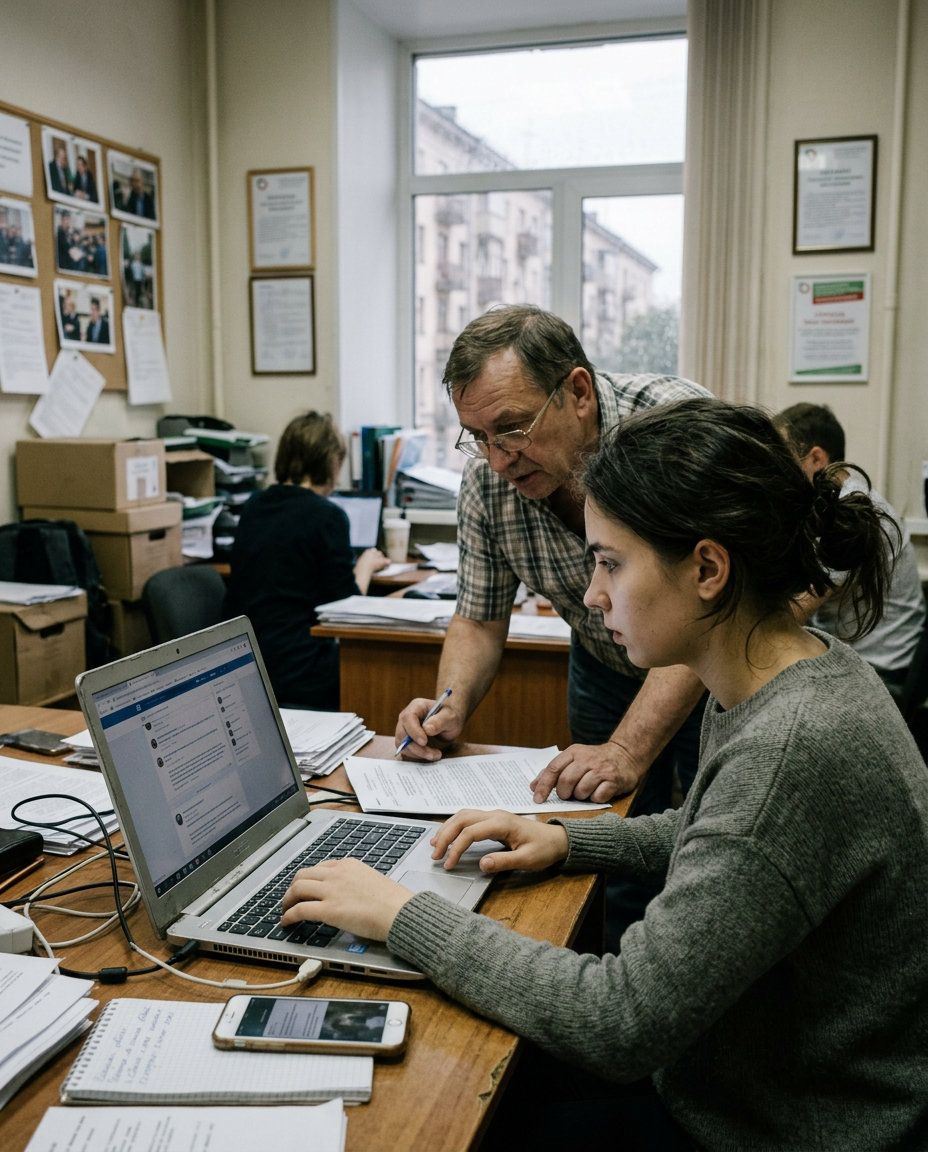
In late July, traffic to Yabloko's social media platforms doubled. Its Instagram following grew by 100,000 in just weeks.
Apples became a protest symbol
Videos of people dancing with apples, Yabloko's namesake, flooded social media. One video on Red Square got 350,000 likes by late August.
“Yabloko, which never claimed to be anything serious, unexpectedly became the party people want to vote for”
Then Yabloko was banned too
A nationalist party sued Yabloko over Western donations. A Moscow court agreed and banned it from the party-list ballot in August.
The Kremlin miscalculated badly
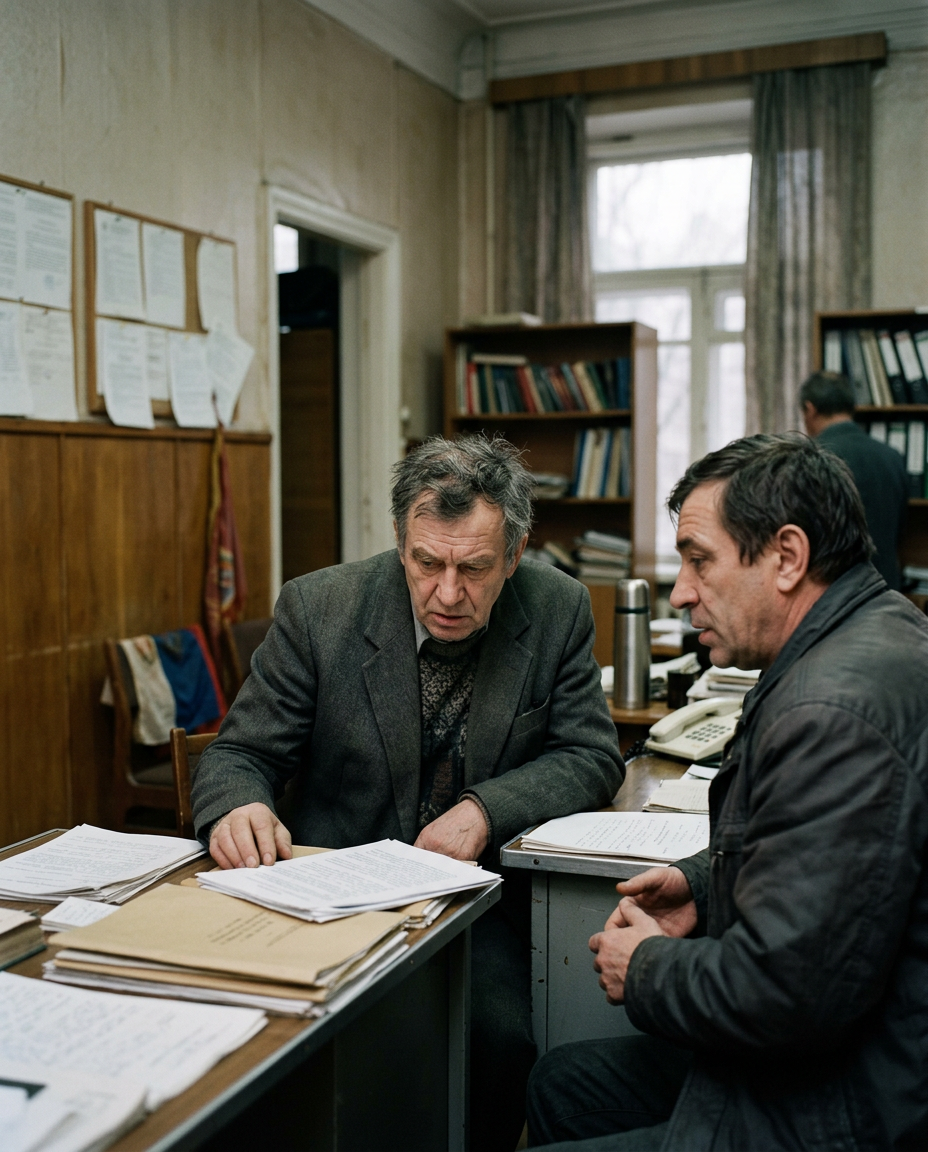
Officials expected Yabloko to get few votes, proving no appetite for peace. When it gained steam, they had no choice but to ban it.
The war hits home harder
Drones explode over Moscow regularly. People wait in half-mile lines for fuel. Even ordering from Russia's Amazon equivalent has become unreliable.
Yabloko leaders face prison
Days after the party was banned, its deputy chairman Lev Shlosberg was sentenced to 11 years and one month for discrediting the armed forces.
The party may be liquidated
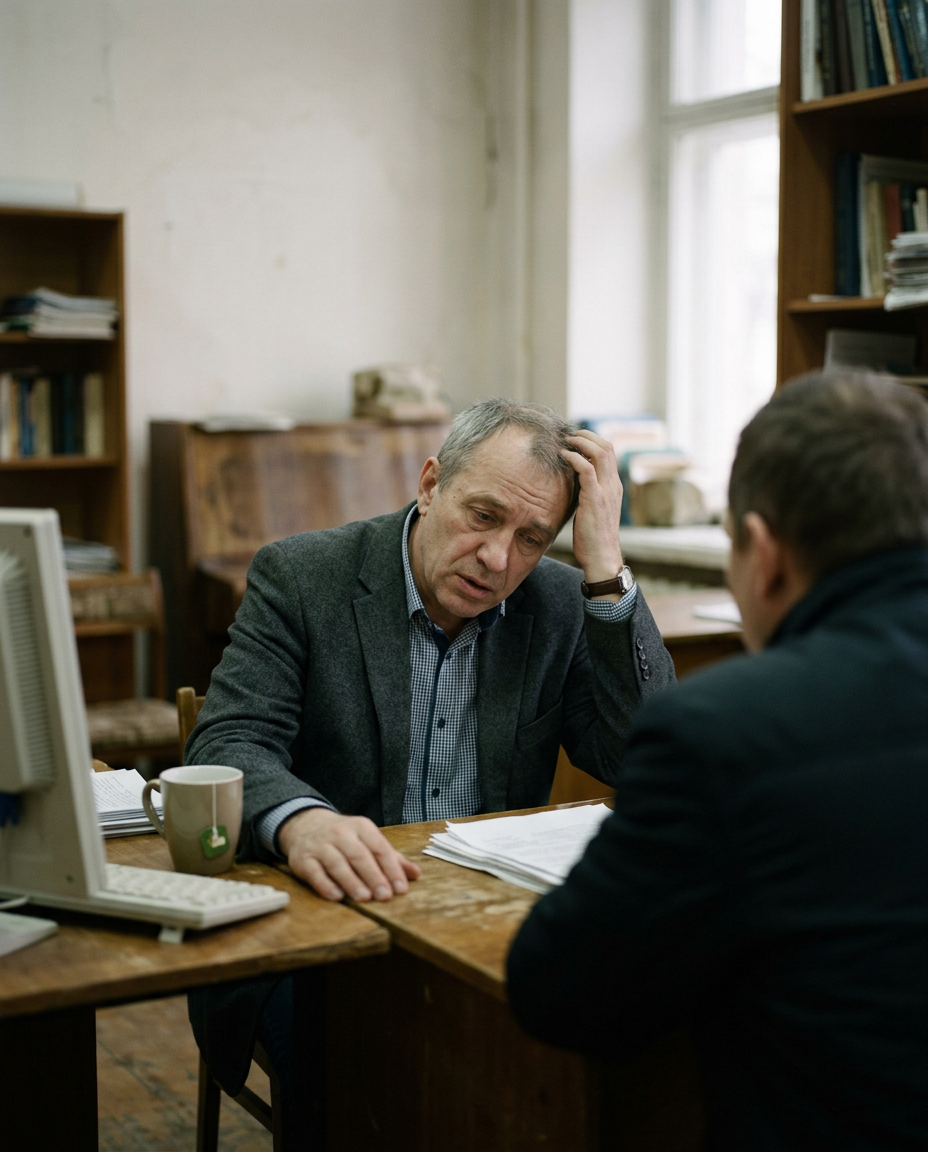
Former Duma representative Dmitry Gudkov predicts Yabloko will be destroyed. The system doesn't need it anymore.
“They will be destroyed. They are not needed for the system anymore”
Opposition now exists only in exile
Exiled politician Ilya Yashin formed a party called Peaceful Russia. But opposition figures abroad have little way to influence developments back home.
“Today, the opposition can be either underground or in exile or in prison”
The main idea
Russia has systematically eliminated all anti-war voices from its parliamentary elections, banning candidates and parties that advocated for peace.


