From Foreign Policy · David V. Gioe · · 4m
The West Is Sending Russia the Wrong Signals
Europe's fear of escalation is encouraging Putin to keep testing NATO's limits with sabotage and terror attacks.
In brief
Europe's fear of escalation is encouraging Putin to keep testing NATO's limits with sabotage and terror attacks. The West must establish clear, credible consequences for Russian gray-zone attacks in advance, or Putin will keep escalating. Originally reported by Foreign Policy.
Four years of mixed messages
Western leaders talk tough and arm Ukraine, but seem more worried about appearing escalatory than about Russia's own provocations. This signals to Putin he has room to keep testing NATO's limits.
Putin's asymmetric campaign
Russia is escalating horizontally and incrementally with over a hundred sabotage attacks across Europe, including arson, cable cutting, GPS jamming, and cyberattacks. Each incident seems too small to warrant a major response.
The escalation trap

European leaders fear that one retaliatory step could provoke another, creating a spiral ending in direct NATO-Russia conflict. But they're thinking vertically and immediately, while Russia escalates horizontally and gradually.
Putin's real goal
By normalizing Russian violence inside Europe, Putin wants to separate Ukraine from its backers. He's trying to convince nervous publics that supporting Ukraine isn't worth risking their own security.
Russian intelligence gone rogue
Britain's foreign intelligence chief said Russian intelligence had gone a bit feral. The EU described Moscow's activities as a persistent, coordinated hybrid campaign of sabotage, arson, cyberattacks, and attacks on critical infrastructure.
Attacks on defense companies
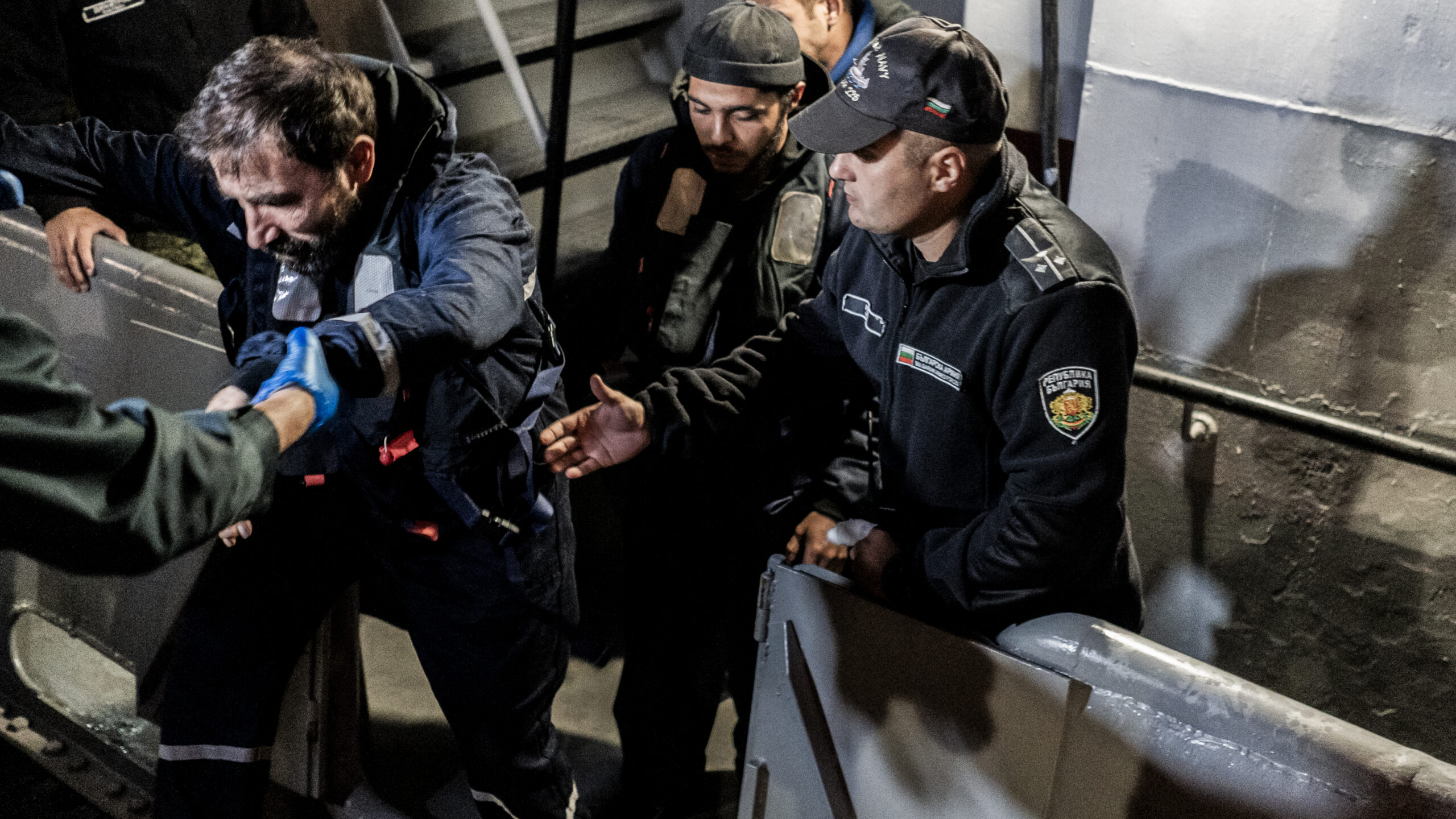
In August, arson struck Milrem Robotics in Estonia, which supplies unmanned systems to Ukraine. Poland confirmed a factory fire producing drone components was sabotage. Bulgarian nationals were arrested after throwing incendiary devices at German defense firms.
Recruiting saboteurs in NATO
Danish intelligence warned that Russia is recruiting Danes to help prepare sabotage against defense companies supporting Ukraine. Romanian intelligence disrupted a Russian-coordinated operation targeting strategic military sites.
Washington's muddled response
CIA Director John Ratcliffe warned Russian intelligence against attacking NATO on August twenty-five, but with no publicly stated consequences. Trump's envoys then met cordially with Putin at the Kremlin, muddying any deterrent message.
Trump's reversals on Ukraine
At the NATO summit in July, Trump promised Ukraine a license to manufacture Patriot interceptors. Weeks later he reversed himself, saying the U.S. had not agreed to it. Putin just needs to wait for Trump's next reversal.
Germany's empty threats

Germany provides tens of billions in military aid to Ukraine but tolerates Russian outrages on German soil. Chancellor Friedrich Merz's rhetoric has outpaced any real response to sabotage and attacks.
The Leipzig airport near-miss
In July twenty twenty-four, an incendiary device in a DHL parcel nearly caused a plane crash at Leipzig airport. Germany's domestic intelligence chief said the country narrowly escaped a potential disaster, but Berlin's response was tepid.
Merz's broken promise
After drone attacks on a Ukrainian cargo plane at Leipzig in August, Merz promised those responsible will pay. But Germany's actual response was closing a consulate, expelling diplomats, and tightening visas. No one in the Kremlin lost sleep.
“will pay”
Weakness disguised as balance
Western leaders call their mixed messages balanced or ambiguous for flexibility. But they prolong the status quo and invite further escalation. In aggregate, these vacillations signal weakness to Putin.
Putin's achieved goal
If defending NATO territory from Russian attacks and demanding accountability are treated as dangerously escalatory, then Putin has already won part of what he wants: a Europe deterred by its own fears.
The Taurus test
Germany's debate over providing Ukraine with Taurus cruise missiles has become the acid test of German resolve. Merz criticized his predecessor for withholding them but still cannot bring himself to transfer them.
Link weapons to sabotage
Sending Taurus missiles in response to specific Russian sabotage would communicate credible consequences. Berlin claims it supports Ukrainian deep-strike capability without Taurus, but linking new systems to Russian attacks would send the right signal.
A damage fund from frozen assets
Brussels could create a claims mechanism drawing on the two hundred billion euros in immobilized Russian sovereign assets at Euroclear. Every act of Russian destruction would write its own invoice payable from Moscow's frozen account.
Washington's untapped leverage
The U.S. has the means to restrain Russian aggression but lacks political will. It could impose serious costs through economic sanctions, action against the shadow fleet, cyberattacks, and pressure on Russian operations in Africa.
Credible deterrence requires clarity
Moscow should know in advance that sabotage against NATO will generate a specific, meaningful cost. Deterrence does not require maximum force to every provocation, just convincing Putin that continuing is more trouble than stopping.
The key point
The West must establish clear, credible consequences for Russian gray-zone attacks in advance, or Putin will keep escalating.