From Foreign Policy · Julian E. Zelizer · · 2m
Trump’s Midterm Strategy Harks Back to 1970
Trump’s 2024 campaign uses 1970s-style polarization tactics to fuel voter anger.
In brief
Trump’s 2024 campaign uses 1970s-style polarization tactics to fuel voter anger. Trump’s Republicans are reviving Spiro Agnew’s 1970s strategy of positive polarization to divide voters and weaken Democrats ahead of midterms. Originally reported by Foreign Policy.
Trump’s 2024 campaign ad

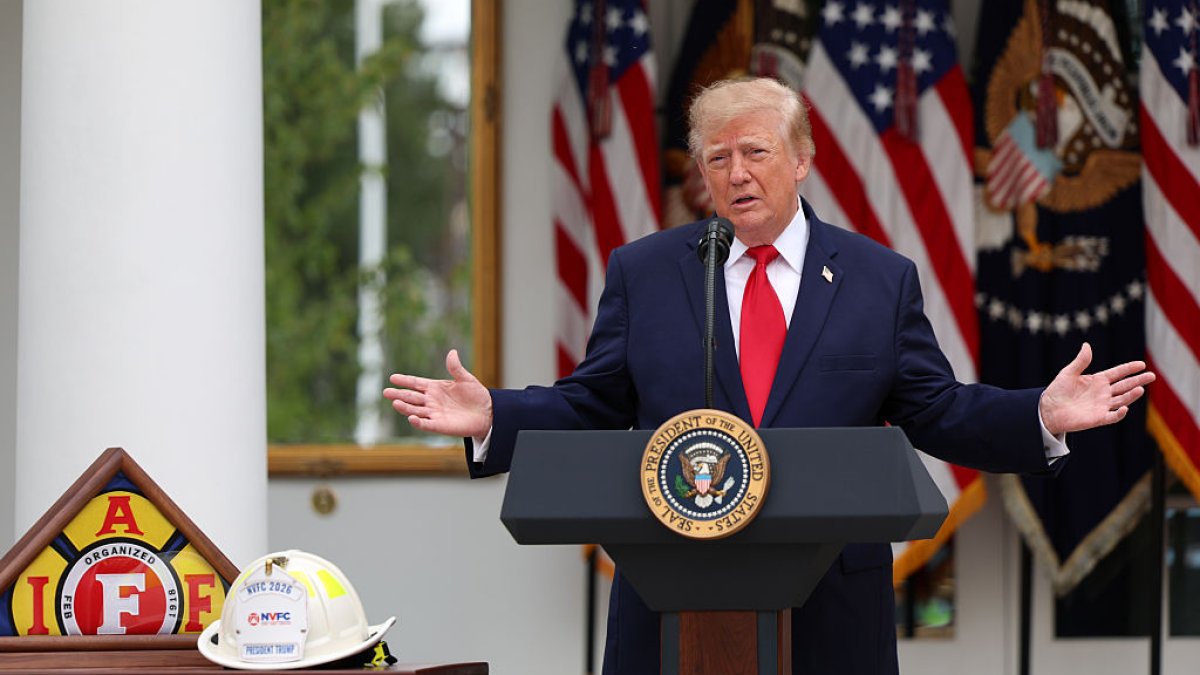
People watching U.S. television last month saw a rehashed 2024 campaign ad featuring Trump declaring 'this is the final battle' against communists, Marxists, fascists, and fake news media.
“this is the final battle against communists, marxists, fascists, and the fake news media”
Vice President JD Vance’s speech
Vice President JD Vance called Democrats the 'party of hatred' and extremism during his Republican convention speech on Sept 10.
“the democrats are the party of hatred. they are the party that despises america and the people who built it. they are the party that can find sympathy for the terrorists who perpetrated 9/11”
Trump’s midterm strategy
Republicans are using Trump’s playbook of appealing to hate and anger instead of positive visions for the future.
1970s political strategy

Vice President Spiro Agnew promoted 'positive polarization' in 1969-1970 by framing Democrats as radical, anti-war, elitist, and immoral.
Nixon’s political challenges
Nixon faced low approval ratings and a narrow 1968 victory after the U.S. incursion into Cambodia and Kent State University protests.
Agnew’s rise to power
Agnew, a former Maryland governor, changed his tune in 1968 after Baltimore riots and became Nixon’s running mate.
Agnew’s strategy
Agnew attacked liberal intellectuals and media as 'nattering nabobs of negativism' and promoted 'positive polarization'.
“nattering nabobs of negativism”
Agnew’s impact
Republicans gained one senate seat but lost twelve house seats in 1970 midterms despite Agnew’s strategy.
Agnew’s resignation
Agnew resigned in 1973 after pleading no contest to federal income-tax evasion charges.
Nixon’s resignation
Nixon resigned in 1974 after Watergate scandal led to Senate impeachment proceedings.
Modern Republican strategy
Tea Party Republicans adopted Agnew’s tactics, leading to MAGA Republicans who are more extreme than previous generations.
Trump’s use of polarization
Trump abandoned Obama’s call for unity and focused on playing to the base while vilifying opponents.
Destructive effects of polarization
Positive polarization deepens partisan divisions and makes it harder to resolve conflicts between political groups.
Partisan conflict risks
Political leaders must balance partisan conflict within responsible bounds to avoid total hyperpartisan destruction.
What happens next
Trump’s Republicans will continue using positive polarization tactics to weaken Democrats ahead of midterms.
The essence
Trump’s Republicans are reviving Spiro Agnew’s 1970s strategy of positive polarization to divide voters and weaken Democrats ahead of midterms.