From Foreign Policy · Sam Skove · · 2m
Ukraine's million-veteran challenge
Ukraine's new veterans minister faces an impossible task: supporting over 1 million wounded soldiers while the war continues and money runs out.
In brief
Ukraine's new veterans minister faces an impossible task: supporting over 1 million wounded soldiers while the war continues and money runs out. Ukraine must integrate millions of veterans into its economy during wartime, or risk losing them to emigration and crime. Originally reported by Foreign Policy.
Ukraine's new veterans minister

Vitalii Kim was appointed to lead Ukraine's veterans' affairs ministry, tasked with supporting over 1 million veterans while the war continues and budgets remain tight.
“We have to build the engine while it's driving the car.”
The scale of the problem
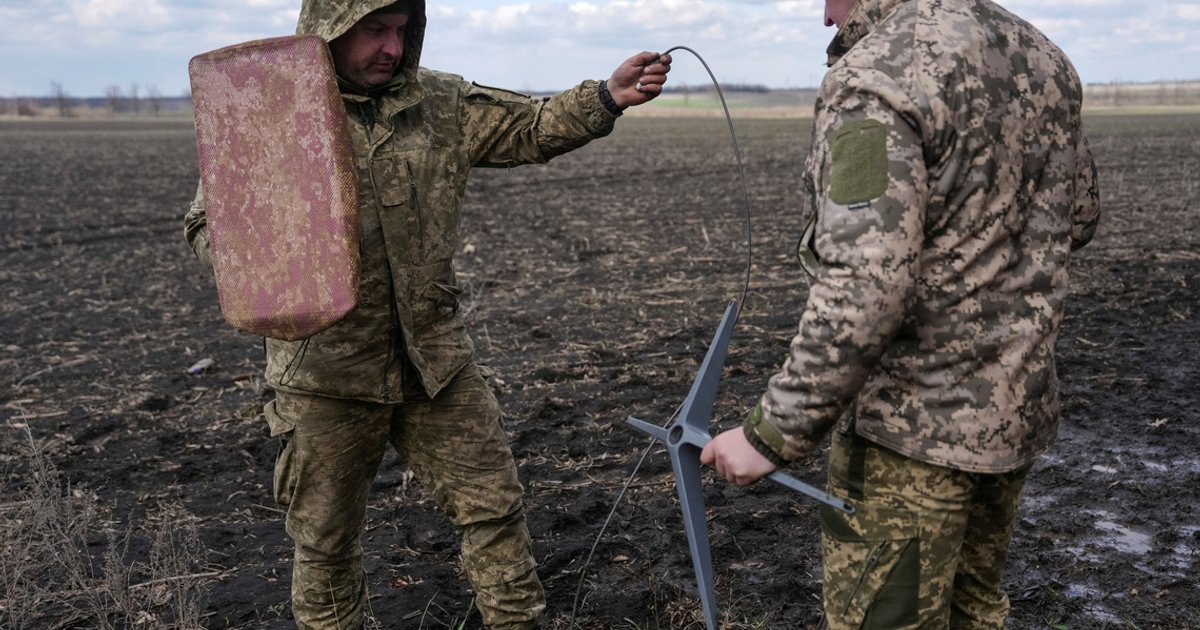
Ukraine has over 1 million veterans after four years of war, many with psychological trauma and physical injuries including tens of thousands with missing limbs. The number could reach 3 million after the war ends.
Veterans in a war-torn country
Unlike U.S. veterans returning to a peaceful society, Ukrainian veterans live amid ongoing Russian attacks that damage the economy and threaten their lives. This creates unique challenges for reintegration.
Veterans are 30 percent of labor force

With their families, veterans account for 30 percent of Ukraine's labor force. Losing them to emigration or death would cripple the economy, making their integration essential to national survival.
“We cannot lose them.”
The salary problem
Combat soldiers earn thousands of dollars monthly, but average Ukrainian salaries are under $1,000 per month. Veterans will struggle to accept civilian jobs that pay far less than military service.
Social problems emerging
High divorce rates and a plummeting birth rate plague veteran populations. Kim identified a lack of discussion around sexual health and intimacy as a barrier to family stability and population recovery.
“Nobody talks about sex at all. But this is a problem.”
Crime and emigration risks
Neighboring countries worry that skilled, combat-trained veterans could emigrate and fuel crime waves. Kim believes a thriving Ukrainian economy is the best way to keep veterans home and productive.
Kim's proposed solutions
Plans include specialized veteran hospitals, peer mental health support programs, flexible education and business grants, and measures to reduce divorce. But implementation depends on finding foreign funding.
Budget constraints are severe
Ukraine's proposed budget devotes two-thirds of spending to the military. Veterans' funding increases 17 percent to just over $450 million, far below what's needed for 1 million people.
Doing more with less
Kim is pursuing low-cost solutions like reducing paperwork for veterans and seeking foreign support. He believes smart policy can achieve results without massive spending.
“You can do everything with money. My task is to do it without the money.”
The short version
Ukraine must integrate millions of veterans into its economy during wartime, or risk losing them to emigration and crime.