From Foreign Policy · Paul Hockenos · · 3m
What's the matter with eastern Germany?
German far-right populism traces back to reunification, but historians disagree about why.
In brief
German far-right populism traces back to reunification, but historians disagree about why. The AfD's success in eastern Germany stems from reunification's aftermath, but historians fiercely debate whether the root cause is GDR totalitarianism, western condescension, or botched unification. Originally reported by…
The AfD threatens Germany
There's widespread consensus that the far-right Alternative for Germany is xenophobic and threatens the republic's postwar political order.
No agreement on the cause
Germans agree the AfD's national populism is anchored in eastern Germany and traces to reunification. But historians disagree about what exactly happened.
The east votes AfD double

The AfD breaks into double digits across western Germany. But its popularity is twice as high in eastern Germany, where xenophobic sentiment is much higher.
44 percent in Saxony-Anhalt
The AfD's record result of 44 percent in Saxony-Anhalt's state elections on September 6 is conceivable only in an eastern state, at least for now.
The totalitarian school of thought

Historian Ilko-Sascha Kowalczuk explains the eastern mentality through the German Democratic Republic's fundamentally totalitarian character.
Cradle to grave control
Kowalczuk emphasizes the totality of a state that dictated every facet of life from cradle to grave, indoctrinating through schools, party, and workplace.
“from cradle to grave”
The Stasi's power was reputation
Kowalczuk argues the Stasi wasn't as powerful as claimed. Much of its intimidation stemmed from reputation, not actual reach.
East Germans were sheep

Kowalczuk says East Germans passively allowed themselves to be subjugated. They relinquished freedom in exchange for certainty and security.
They refuse to take responsibility
Today's eastern Germans have done too little to emancipate themselves from the GDR's totalitarian mindset, Kowalczuk says. They refuse to take responsibility.
Life was more textured

Historian Katja Hoyer argues life in the GDR was more textured than Kowalczuk acknowledges. East Germans lived, loved, and had families.
The GDR had real achievements
Hoyer credits GDR socialism with genuine achievements like women's rights, affordable housing, and workplace participation. Just about everyone had an apartment.
“Many East Germans were proud of their achievements as social mobility provided unprecedented opportunities for the working classes”
Western condescension caused resentment
Hoyer argues eastern Germans' lives were dismissed as worthless ballast. West German condescension caused resentment to fester and be passed to new generations.
The AfD offers respect

The AfD alone avoids demonizing the GDR, offering eastern Germans respect that none of the other parties do, Hoyer argues.
The East was a takeover

Professor Dirk Oschmann argues the incorporation of eastern Germany into the Federal Republic was a one-sided takeover, not a true unification.
Western companies made out like bandits
East Germany's economy was put on equal footing overnight, causing it to implode. Western companies swooped in and made out like bandits.
West Germans took all the jobs
West German elites stepped into leadership posts across the East in universities, police forces, hospitals, and just about everywhere.
Merz's migration crackdown failed
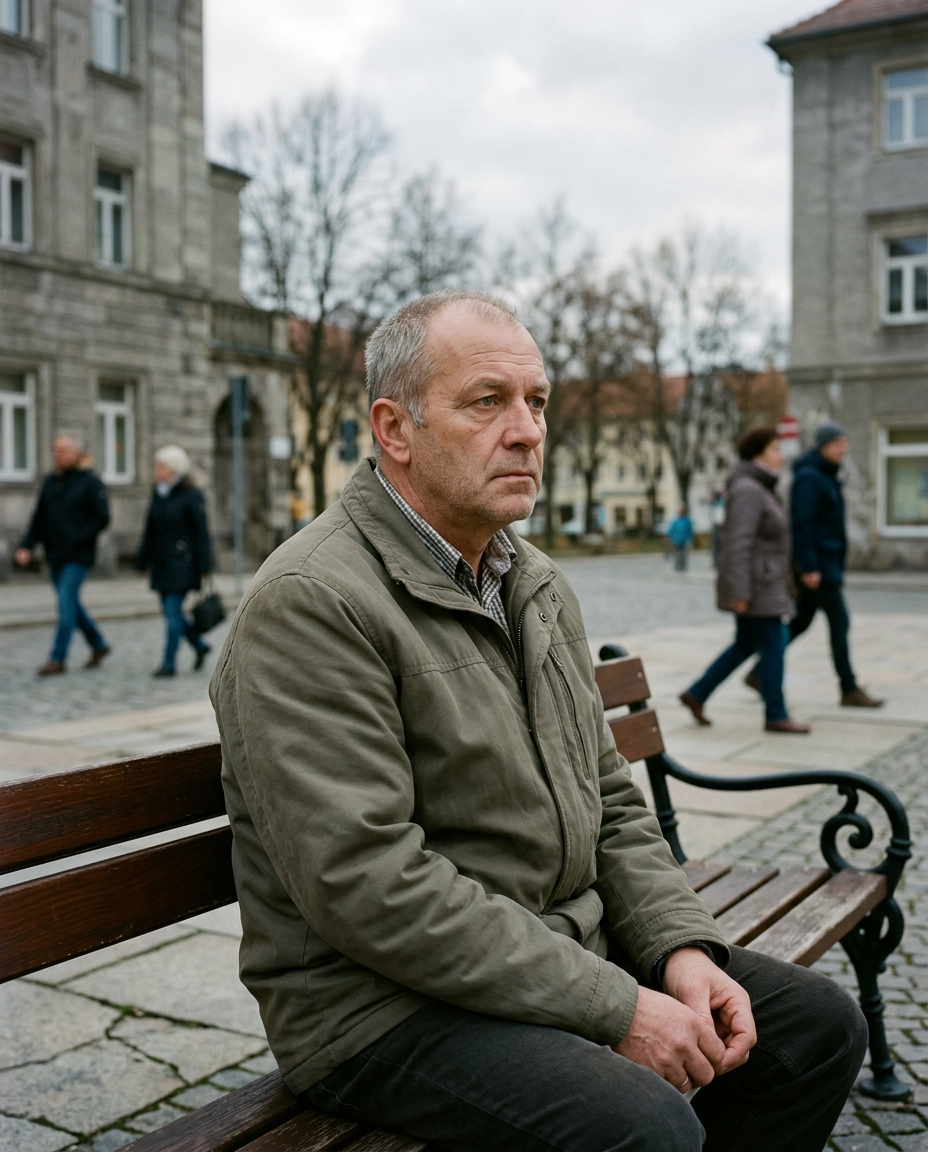
Chancellor Friedrich Merz doubled down on restricting migration before the vote. Asylum applications fell by half, but there was no political payoff.
44 percent voted for the original
Rather than vote for the copy act, 44 percent of Saxony-Anhalt's voters cast ballots for the original, the AfD, whose jingoism Merz chases after.
Germany's establishment is clueless
Germany's political establishment is clueless how to handle the AfD's surge. The country's historians offer no concrete answers either.
Here's the gist
The AfD's success in eastern Germany stems from reunification's aftermath, but historians fiercely debate whether the root cause is GDR totalitarianism, western condescension, or botched unification.