From Fortune · Dee-Ann Durbin · · 3m
Half of dynamic pricing changes are actually price cuts
A study tracking U.S. retail prices found dynamic pricing lowered costs as often as it raised them, contradicting consumer fears that algorithms only drive prices up.
In brief
A study tracking U.S. retail prices found dynamic pricing lowered costs as often as it raised them, contradicting consumer fears that algorithms only drive prices up. Research shows dynamic pricing cuts prices about half the time, but consumer anger over algorithmic pricing and data use is prompting lawmakers in 30…
Consumers fear algorithmic pricing
Americans are angry about high-tech pricing methods used by restaurants and retailers. Digital price tags, AI tools and terms like dynamic pricing are stirring anxiety on social media.
The core concern: personalized prices
Shoppers worry algorithms use personal data and individual behavior to charge different people different prices for the same product. Social media posts falsely claim electronic shelf labels scan faces or cellphones.
Walmart says it prices products, not people
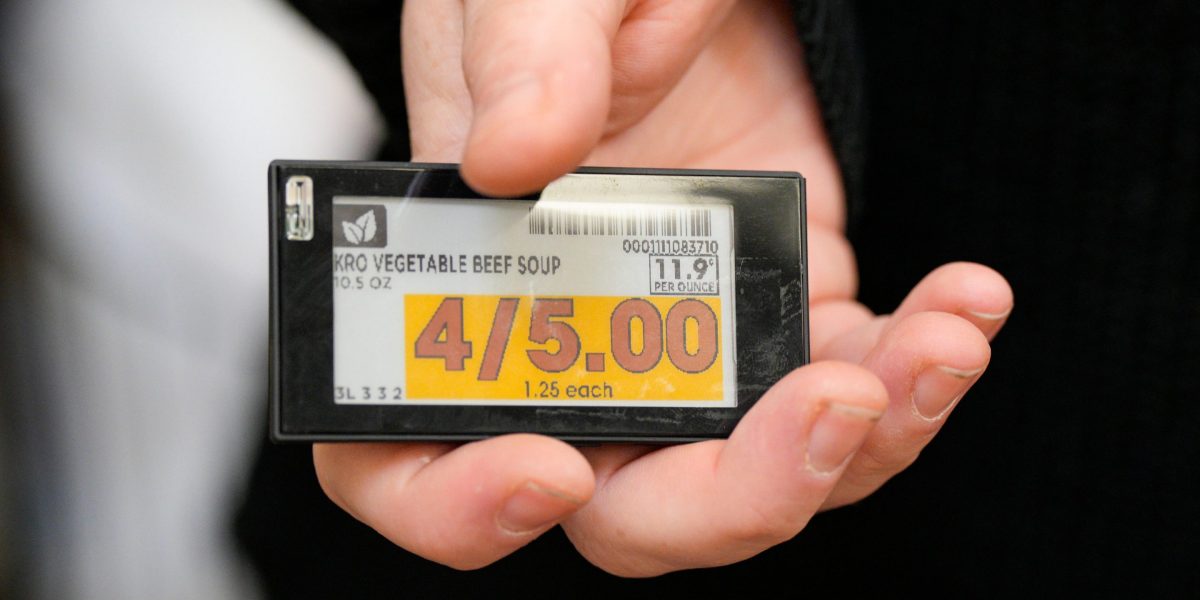
Walmart CEO John Furner said digital price tags save workers' time and keep prices current. He stated the labels are not used to raise prices based on weather, time of day or individual shoppers.
“We price the product, not the person.”
But companies lack transparency
Companies are not always clear about what customer data they collect and how it is used. This secrecy has made consumers suspicious and led to false speculation about pricing practices.
Lawmakers are taking action
Legislators in at least thirty states have considered pricing bills this year, including measures addressing algorithmic and personalized pricing, according to the National Conference of State Legislatures.
FTC warns on data disclosure
The Federal Trade Commission has proposed an enforcement policy warning businesses that failing to disclose their use of personal data to set individualized prices could violate consumer protection law.
Half of price changes are cuts
Decodo, a web data company, tracked price changes in twenty twenty-five across electronics, clothing and home improvement supplies. About half the U.S. changes recorded were decreases, contrary to consumer assumptions.
Digital price labels spread in U.S.
Digital displays that update shelf prices electronically are spreading to major U.S. retailers like Walmart and Whole Foods. Long used in Europe and Asia, they make frequent price changes easier.
Retailers rarely surge-price groceries
Retailers typically update electronic shelf prices on a regular schedule, often weekly, because shoppers value consistency. Researchers found virtually no surge pricing after labels were introduced at an unnamed grocery chain.
Personalized pricing uses customer data
Personalized pricing offers different prices and discounts based on location, income, web-browsing habits and other information. An FTC staff report found intermediaries offering such tools worked with at least two hundred fifty clients.
Three states restrict personalized pricing
Maryland, New Jersey and Connecticut recently enacted restrictions on using shoppers' personal data to determine prices. Maryland and New Jersey laws focus on groceries with exceptions for loyalty discounts and promotions.
Target settled geofencing lawsuit
California prosecutors sued Target in twenty twenty-two, alleging its app showed lower prices before shoppers entered stores and raised them inside. Target agreed to a five million dollar settlement and banned geofencing technology.
The essence
Research shows dynamic pricing cuts prices about half the time, but consumer anger over algorithmic pricing and data use is prompting lawmakers in 30 states to consider restrictions.