From Fortune · Mekala Krishnan · · 2m
How the world dodged an energy crisis at Hormuz
Saudi Arabia's key pipeline just closed, revealing how layered resilience saved the global economy from an oil shock.
In brief
Saudi Arabia's key pipeline just closed, revealing how layered resilience saved the global economy from an oil shock. Energy disruptions expose vulnerabilities across all industries. Companies must map dependencies, build flexible options, and value resilience in investment decisions. Originally reported by Fortune.
A critical pipeline just shut down
Saudi Arabia's East-West pipeline closed this week after helping absorb a historic Strait of Hormuz energy shock. It carried 5 million extra barrels daily in Q2 2026, alongside the UAE's bypass route.
One-fifth of global oil was at risk
The Strait of Hormuz disruption threatened roughly 20% of global oil supplies. No single measure could have handled it alone, so multiple layers of resilience activated together.
Pipelines, inventories, and flexibility kicked in
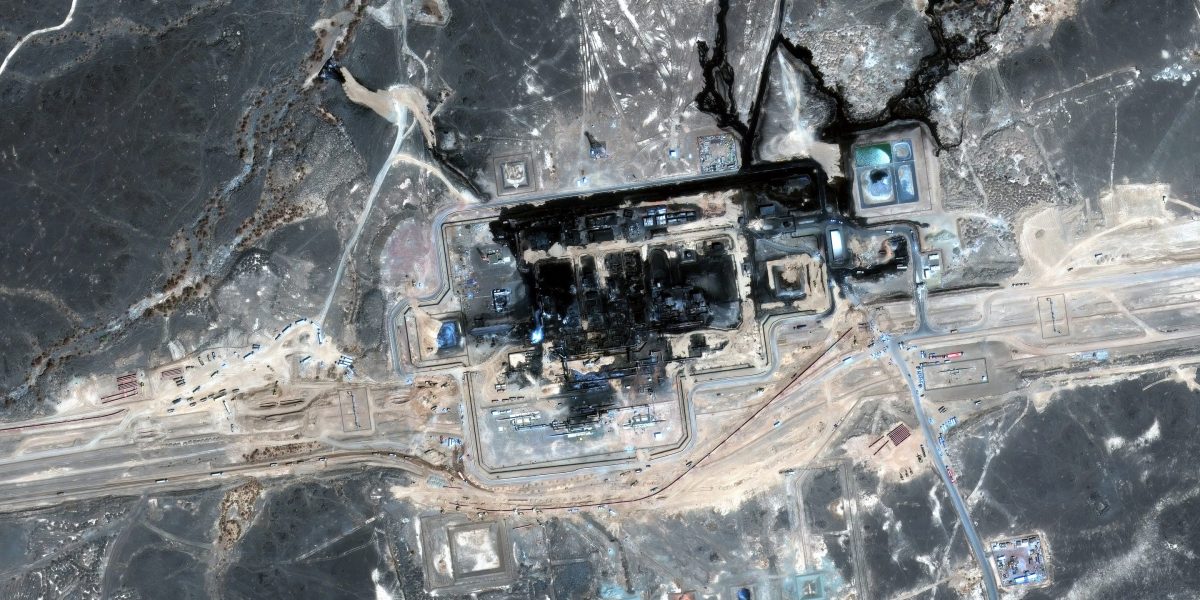
Governments drew on oil reserves, producers increased exports, refiners switched crude inputs, and companies changed feedstocks. More than one in five seaborne oil barrels moved differently than before.
Energy disruptions hit every industry
Two-thirds of energy trade passes through maritime chokepoints, and 95% of people live in regions importing major fuels. Energy disruptions quickly become business-continuity crises for manufacturers, retailers, and tech companies.
Map your hidden energy dependencies
Companies must identify dependencies across fuels, feedstocks, suppliers, operations, and trade routes. Even factories in energy-exporting countries may rely on specific fuel imports.
Build a portfolio of flexible options
The Hormuz shock proved multiple buffers matter. Companies need alternative fuels, diversified suppliers, inventories, and flexibility to switch between them. Reliance's refinery processes over 200 crude grades.
Resilience pays off under stress
Capacity that looks redundant in normal times becomes vital during disruptions. BASF increased volumes 7% year-over-year in Q2 2026 despite Middle East supply shocks, thanks to diversified production and flexible facilities.
Resilience creates new business opportunities
Companies that master energy security can help others do the same. Grid-equipment makers, energy traders, and storage providers all benefit as businesses rewire their supply chains.
The key point
Energy disruptions expose vulnerabilities across all industries. Companies must map dependencies, build flexible options, and value resilience in investment decisions.