From The Conversation · Laurent Bonnefoy · · 1m 30s
Houthis Shift Focus to Saudi Arabia
Houthis target Saudi airports to redefine their role beyond Iran.
In brief
Houthis target Saudi airports to redefine their role beyond Iran. Houthis launched attacks on Saudi Arabia’s Riyadh airport to shift narrative from Iranian proxy to national defense against Saudi Arabia. Originally reported by The Conversation.
Houthi Attack on Riyadh Airport
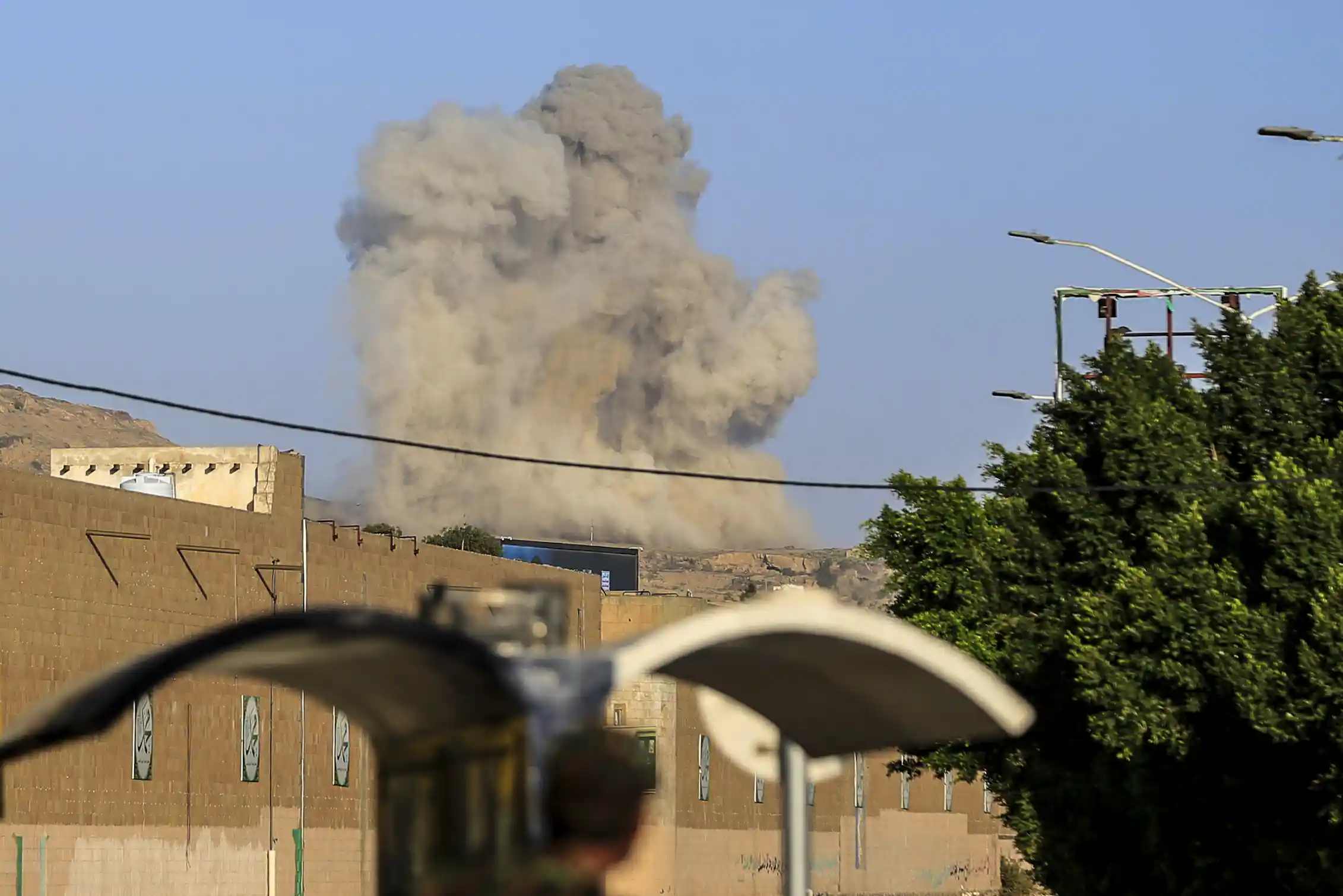
Houthis launched a deadly attack on Riyadh’s international airport on Oct. 10, 2026, killing 13 people and injuring hundreds.
“The Oct. 10 strike, in which 13 people were killed and hundreds injured, was the most violent episode on Saudi Arabian soil since the beginning of the war in Iran in February.”
Houthis Reframe Iranian Proxy Narrative
Houthis are shifting their military focus from Iran to Saudi Arabia to avoid being seen as an Iranian proxy.
“What is particularly significant in the current context of an escalating fight with Saudi Arabia, however, is the way in which the Houthi leadership has sought to reframe its military engagement over the course of 2026 so that it does not appear to be directed by Iran.”
Houthi Military Power in Yemen
Houthis control about a third of Yemen’s territory and two-thirds of its population, despite lacking access to warplanes.
“Currently, the Houthis control about a third of the territory and two-thirds of the population.”
Houthis' Strategic Shift in 2026
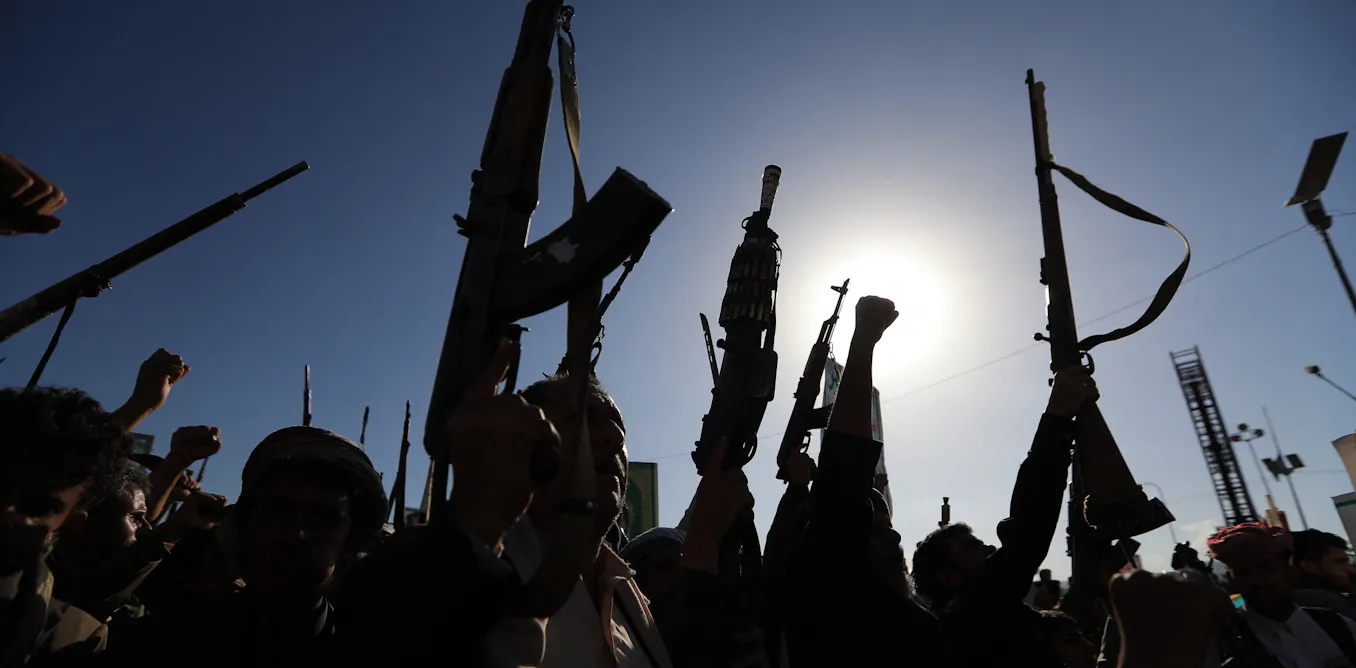
Houthis reentered regional conflict in August 2026 after months of inactivity following U.S.-Israel strikes on Iran.
“The Houthis’ reentry into the regional conflict in August took place alongside a shift in their political narrative, which increasingly centered on their long-standing adversary, Saudi Arabia.”
Houthis' Domestic Political Context
Houthis’ political legitimacy is tied to Yemeni history and identity, not Iranian influence.
“Acting on behalf of Iran, a non-Arab Persian country composed almost entirely of Twelver Shia Muslims, was considerably more difficult to rationalize in Arab Yemen where Twelver Shia Muslims are absent and Sunnis are the majority.”
Houthi Airport Strategy
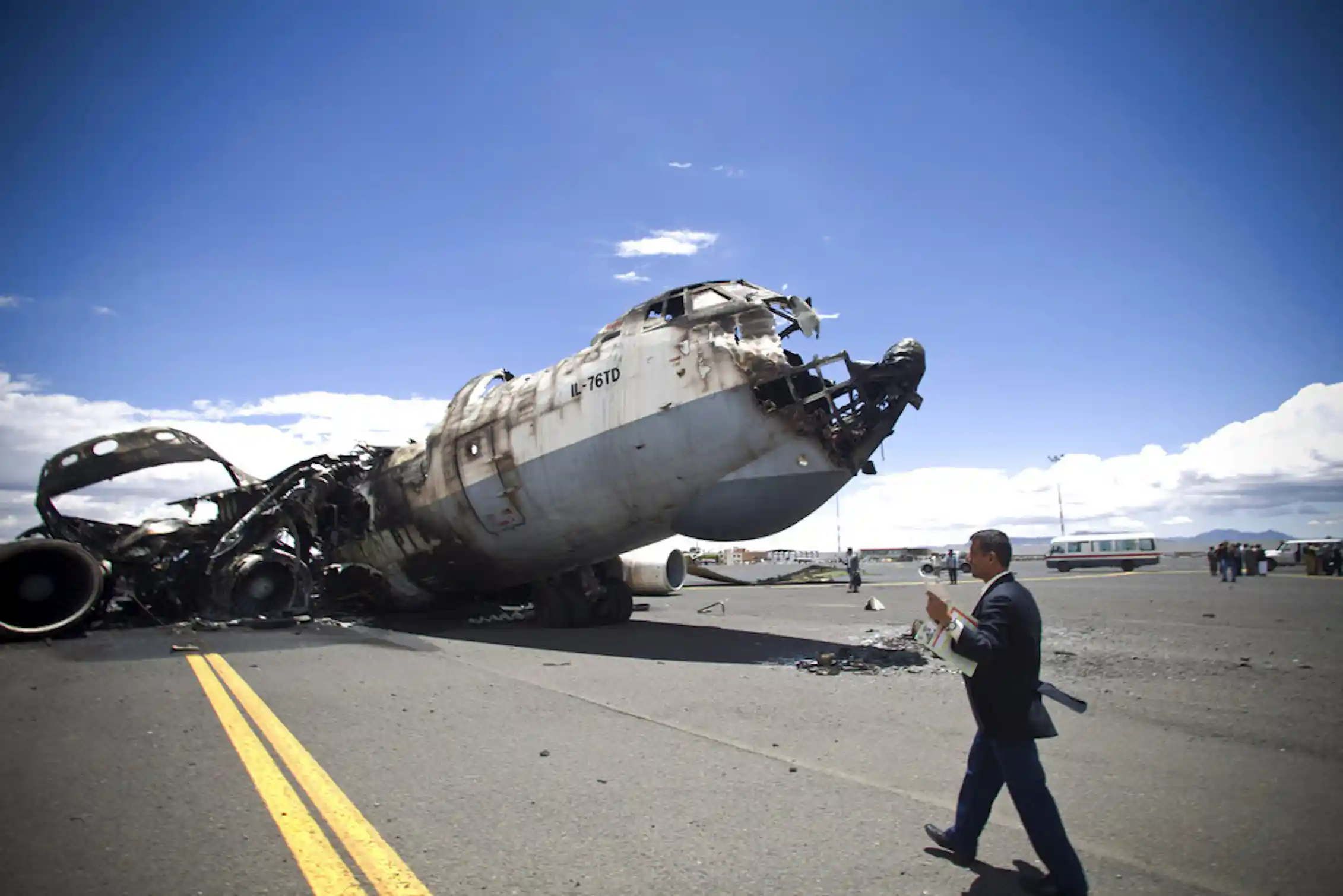
Houthis targeted Sanaa International Airport to disrupt Saudi-led blockades and gain leverage over regional trade.
“The airport’s closure not only restricted civilian movement but also limited their ability to send supporters abroad for training and potentially to receive military equipment.”
Houthis' Retaliatory Tactics
Houthis now claim the right to impose reciprocal restrictions on Saudi Arabia, particularly targeting ports and oil infrastructure.
“The Houthis now claim the right to impose reciprocal restrictions on Saudi Arabia, particularly by targeting its ports and oil-exporting infrastructure.”
Houthis' Strategic Advantage
Houthis gained control over the Strait of Bab el-Mandeb, a critical maritime chokepoint for Saudi Arabia.
“This retaliatory strategy was bolstered by successful Houthi moves in early September to establish a degree of control over the Strait of Bab el-Mandeb, one of the world’s most important maritime choke points.”
Houthis' Impact on Civilian Infrastructure
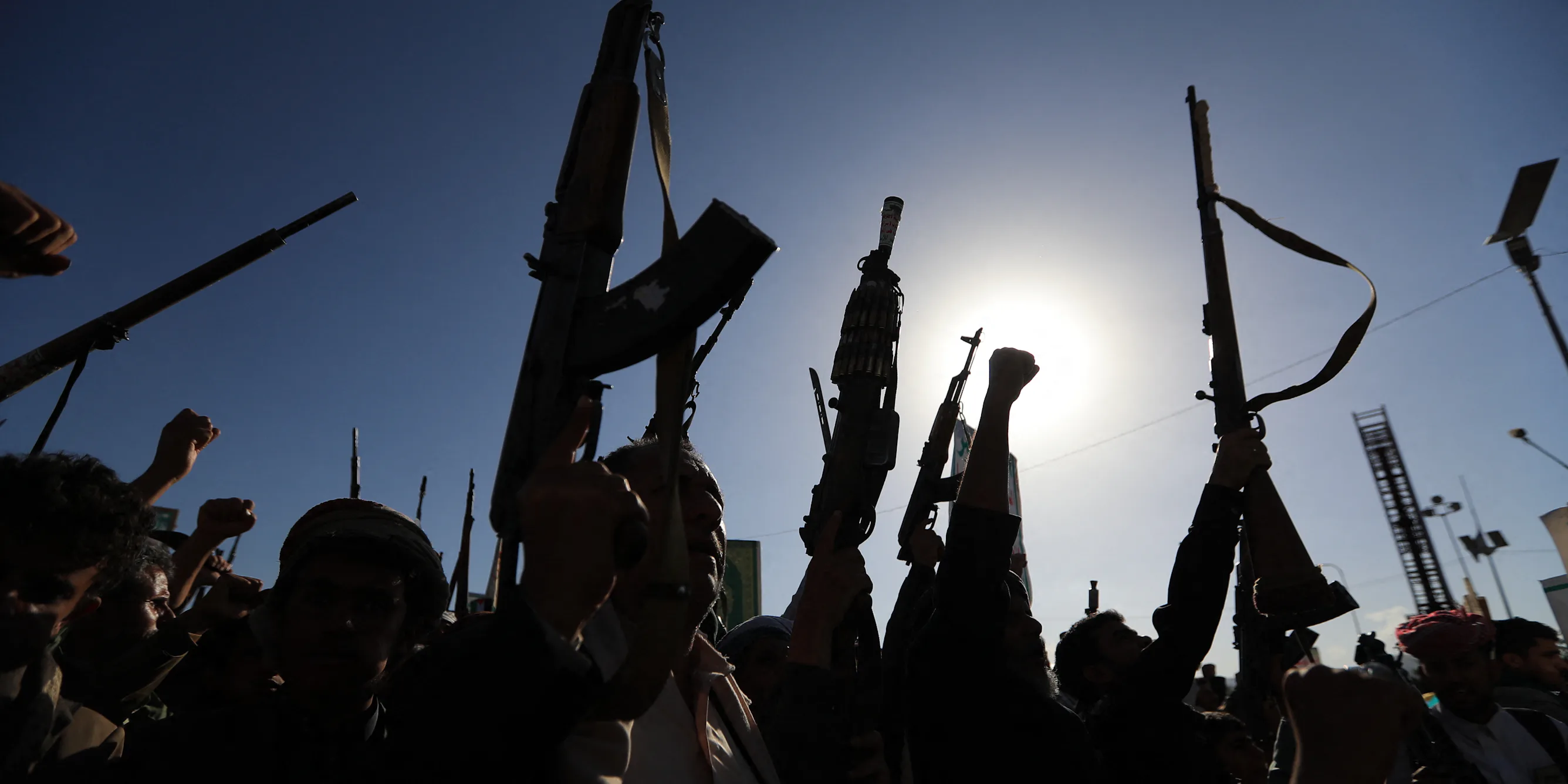
Houthis targeted civilian infrastructure in Saudi Arabia, including airports, to justify their military actions.
“The targeting of civilian infrastructure in Saudi Arabia, particularly airports, illustrates the retaliatory logic the Houthis have invoked to justify their actions.”
Houthis' Long-Term Consequences
Houthis' actions risk prolonged regional conflict and economic disruption, but civilians in Yemen suffer most.
“Yet none of that should obscure the plight of civilians in Yemen. Rather, it should serve as a reminder of the suffering of a population exhausted by a war that has lasted for more than a decade and has devastated the already meager infrastructure of what was the poorest country in the Middle East even before the conflict started.”
The key point
Houthis launched attacks on Saudi Arabia’s Riyadh airport to shift narrative from Iranian proxy to national defense against Saudi Arabia.