From Fortune · Sasha Rogelberg · · 2m
Minneapolis wants human drivers in Waymo cars
A proposed ordinance would require licensed safety monitors in autonomous vehicles, sparking a national debate over jobs and regulation.
In brief
A proposed ordinance would require licensed safety monitors in autonomous vehicles, sparking a national debate over jobs and regulation. Minneapolis is proposing the first U.S. ordinance requiring human drivers in self-driving cars, reflecting growing concerns about worker displacement and safety as robotaxis expand…
Minneapolis proposes human safety monitors
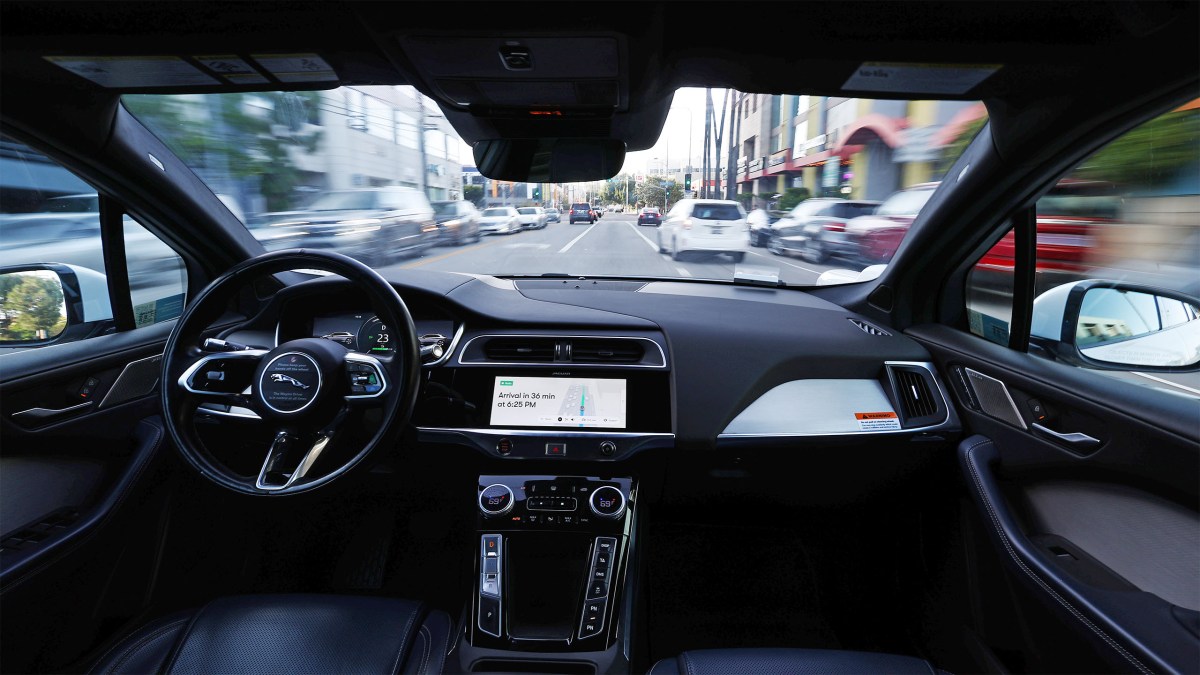
Four city councilors want to require licensed drivers in self-driving cars with full control access, paid at least minimum wage. A public hearing is set for September 22.
No other U.S. city has tried this
Despite 65+ bills across 25 states, Minneapolis would be the first to require drivers in autonomous vehicles. Mayor Jacob Frey opposes the measure and favors robotaxi expansion.
Waymo's fleet is growing fast
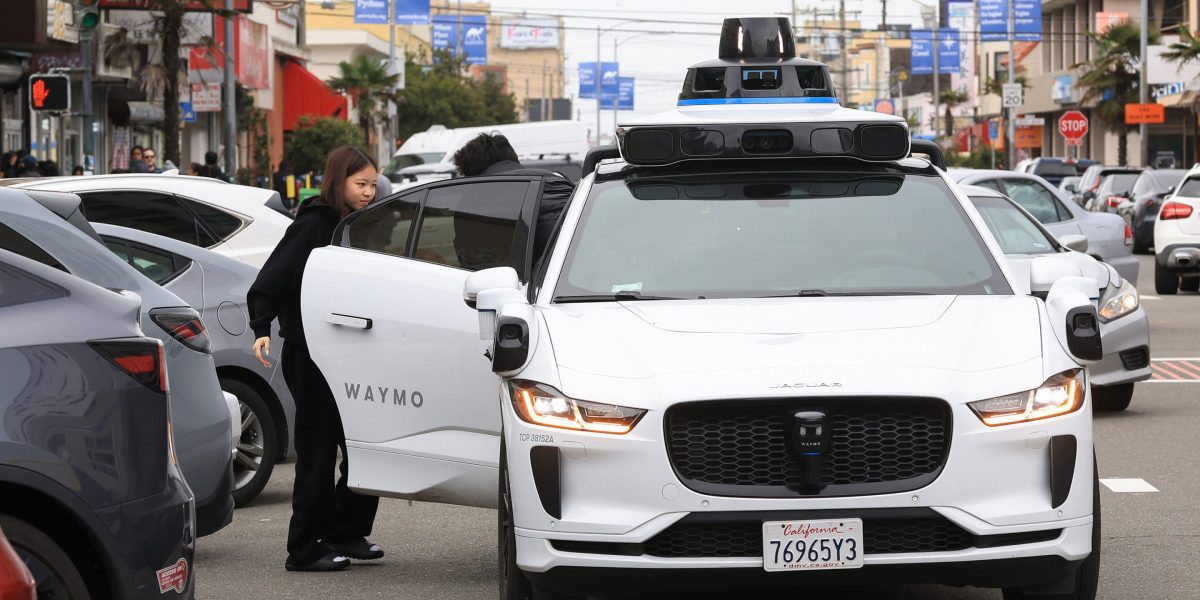
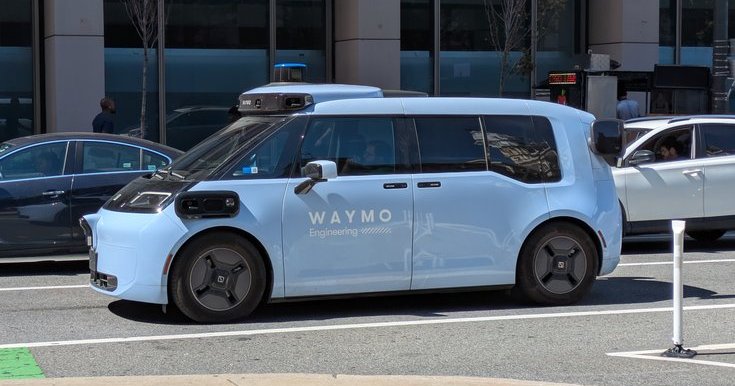
Waymo started testing in Minneapolis in November 2025 with fewer than 10 cars. The company now operates about 4,000 driverless vehicles across 15 cities, up from 700 in early 2025.
Americans are skeptical about self-driving
A Pew Research poll found 71% of Americans would be uncomfortable riding in a self-driving car. Robotaxis currently make up less than 1% of the rideshare market.
Safety and traffic concerns raised
Council members worry about safety gaps, traffic disruption, and job losses. Last year, Waymo vehicles blocked San Francisco streets during a power outage when traffic lights failed.
“Waymo vehicles blocked San Francisco streets during a power outage when traffic lights were off”
Gig workers fear job displacement
A study in Wuhan found robotaxis cut taxi drivers' daily income by 11%. A George Washington University study projects a 57% to 76% decrease in rideshare jobs if robotaxis replace traditional taxis.
“their careers are being treated as collateral damage in a race toward automation. Why? Because it's cheaper.”
Waymo says new jobs will emerge
Waymo co-CEO Tekedra Mawakana argues robotaxis will create manufacturing and fleet maintenance roles. The company offers scholarships to community college students in technical programs.
“Humans are still rotating those tires and working on those vehicles.”
Market growth projections are huge
Goldman Sachs projects robotaxis will make up 8% of the U.S. rideshare market by 2030, generating $7 billion in revenue. Currently they represent less than 1% of the market.
The main idea
Minneapolis is proposing the first U.S. ordinance requiring human drivers in self-driving cars, reflecting growing concerns about worker displacement and safety as robotaxis expand rapidly.