From Fortune · Navin Chaddha · · 1m 50s
Robot Hour Cost: $2 vs $35
Physical AI robots cost $2 or $35 an hour, which matters for trillions of dollars in labor markets.
In brief
Physical AI robots cost $2 or $35 an hour, which matters for trillions of dollars in labor markets. Physical AI robots become cheaper per hour after running 2,700+ productive hours annually, with the cost model shifting from theoretical to real-world utilization. Originally reported by Fortune.
Robot Hour Cost Discrepancy
A Roland Berger study says robots cost $2 an hour; JPMorgan says $10 to $12; early deployments report over $35.
The Real Question
How much useful work can a robot reliably perform in messy factory, warehouse, or distribution center conditions?
Enterprise Needs Dependable Labor
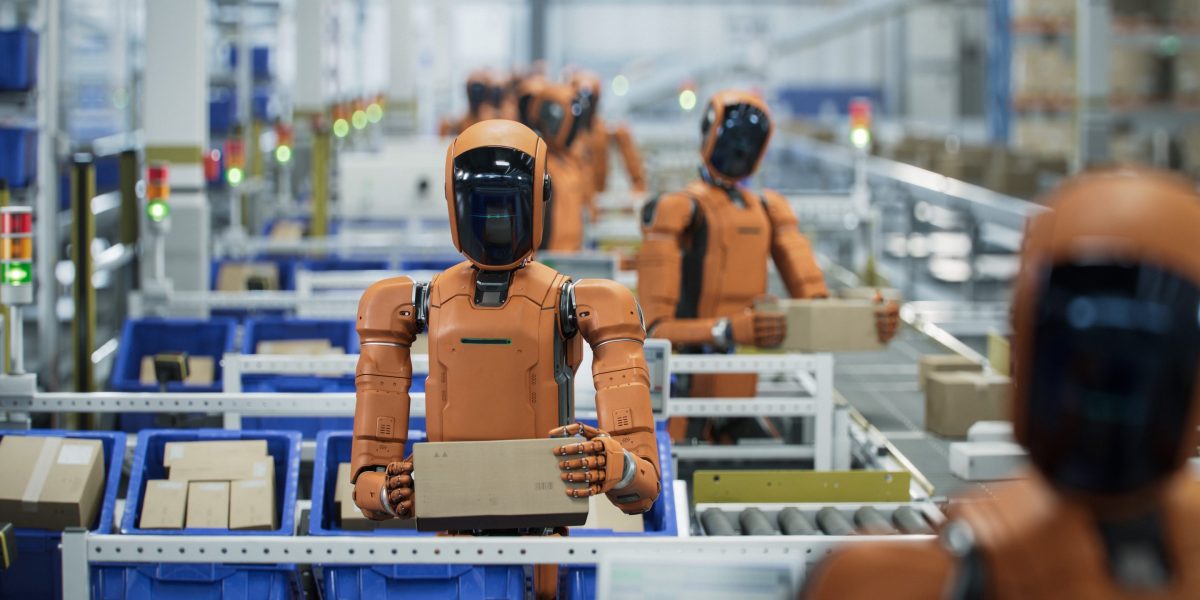
Enterprises need robots that work reliably in real-world conditions, not just inexpensive theoretical models.
Economics Depend on Utilization
A robot’s hourly cost is calculated by dividing its purchase or lease cost by productive hours worked, plus maintenance and software.
Roland Berger’s $2 Figure
The $2 an hour covers energy, software, network, and scheduled maintenance but excludes machine purchase or lease.
The $2 Hour Only Wins at 60-70% Utilization
The $2 an hour only beats average U.S. warehouse wages if robots run 60-70% of the time.
Agility Robotics’ Cost Model
Agility’s next robot costs $400,000 over five years, running at $40 an hour per shift or $20 an hour for two shifts.
The $20 Hour Threshold
Agility’s robots become cheaper than $30 an hour worker costs after running more than 2,700 productive hours annually.
Factory Floors vs Labs
Robots fail in real factories due to unexpected changes in objects, packaging, and human movement.
The Winning Model
The best approach is selling work, not robots: pallets moved, trailers unloaded, parts delivered, or packages sorted.
Labor-as-a-Service Model
Customers pay for productive capacity, not equipment, with providers handling maintenance, software, and uptime.
Real-World Data Drives Progress
Each deployment generates real-world data that improves models, reliability, and economic viability.
The one thing
Physical AI robots become cheaper per hour after running 2,700+ productive hours annually, with the cost model shifting from theoretical to real-world utilization.