From Fortune · Jason Ma · · 1m 20s
Saudi Arabia quietly exits China's dollar rival
The kingdom's departure from mBridge undermines Beijing's bid to challenge U.S. financial dominance.
In brief
The kingdom's departure from mBridge undermines Beijing's bid to challenge U.S. financial dominance. Saudi Arabia's exit from mBridge, combined with the BIS departure, signals that even major participants aren't fully committed to China's alternative payment system despite growing de-dollarization efforts globally…
Saudi Arabia exits mBridge quietly
The kingdom's central bank completed its proof of concept in May 2025 and withdrew from China's blockchain payment platform, which Beijing promoted as a SWIFT alternative.
“SAMA is no longer a participating member of mBridge”
What is mBridge anyway
China launched the digital payment system in 2021 to let central banks transact directly via blockchain, bypassing traditional dollar-based systems like SWIFT.
Saudi's departure is a major blow
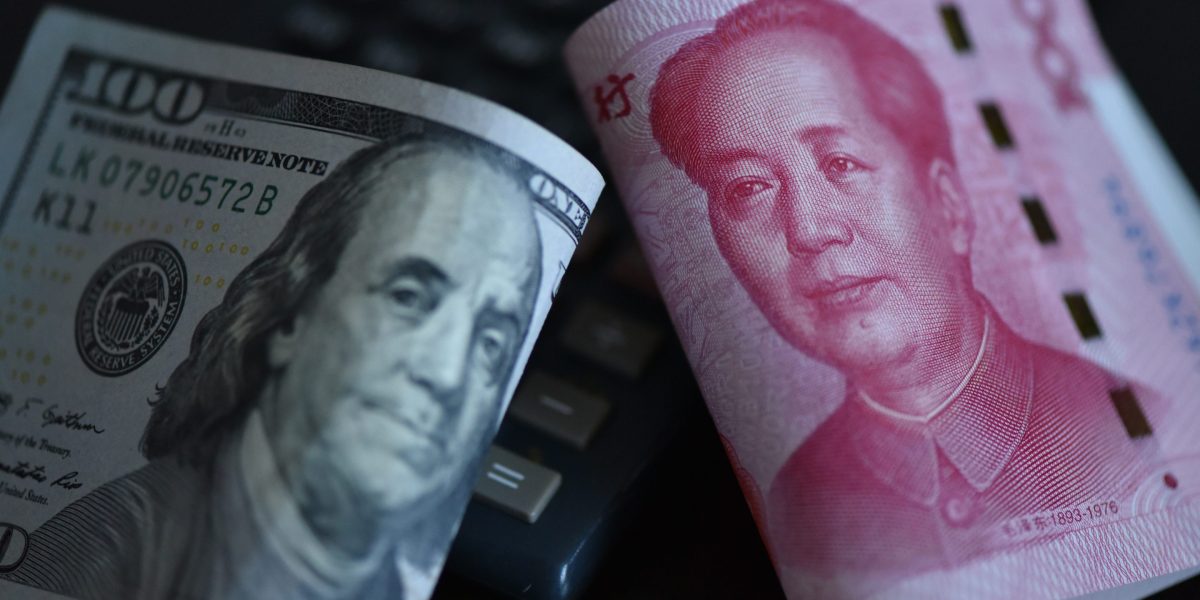
The oil giant anchors the petrodollar system dating to 1974, making its participation in mBridge a symbolic win for China's de-dollarization push.
The petrodollar's grip on trade
Oil is priced in dollars globally, and because it's essential to manufacturing and transport, supply chains naturally use greenbacks for about 90 percent of all transactions.
“The dollar's dominance in cross-border trade is arguably built on the petrodollar”
Countries are hedging against sanctions
After U.S. sanctions cut Russia off from dollar systems in 2022, other nations began reducing dollar holdings, buying gold, and exploring alternatives like yuan transactions.
mBridge grows despite setbacks
Transactions on the platform surged to over 55 billion dollars in 2025, a 2,500-fold increase since 2022, even as Saudi Arabia and the Bank for International Settlements departed.
“Project mBridge is unlikely to challenge dollar dominance directly, but it may incrementally erode it”
The one thing
Saudi Arabia's exit from mBridge, combined with the BIS departure, signals that even major participants aren't fully committed to China's alternative payment system despite growing de-dollarization efforts globally.