From Fortune · Tatiana Sataua · · 1m 30s
Why $100 oil isn't the real threat
Oil prices are back above $100 a barrel, but economists say gas and diesel prices are what actually matter for the economy.
In brief
Oil prices are back above $100 a barrel, but economists say gas and diesel prices are what actually matter for the economy. The real economic threat isn't crude oil hitting $100, but refined fuel prices like gasoline and diesel that directly hit consumers and businesses. Originally reported by Fortune.
Oil spikes above $100 again
Brent crude climbed to nearly $110 a barrel Monday, its highest since May. But economists say this $100 milestone is less alarming than it sounds.
Americans spend way less on gas now
In 1980, Americans spent 6% of income on gas. Today it's just 2.5%, even with prices up. That's because fuel efficiency improved and consumption dropped.
Gas and diesel are the real worry
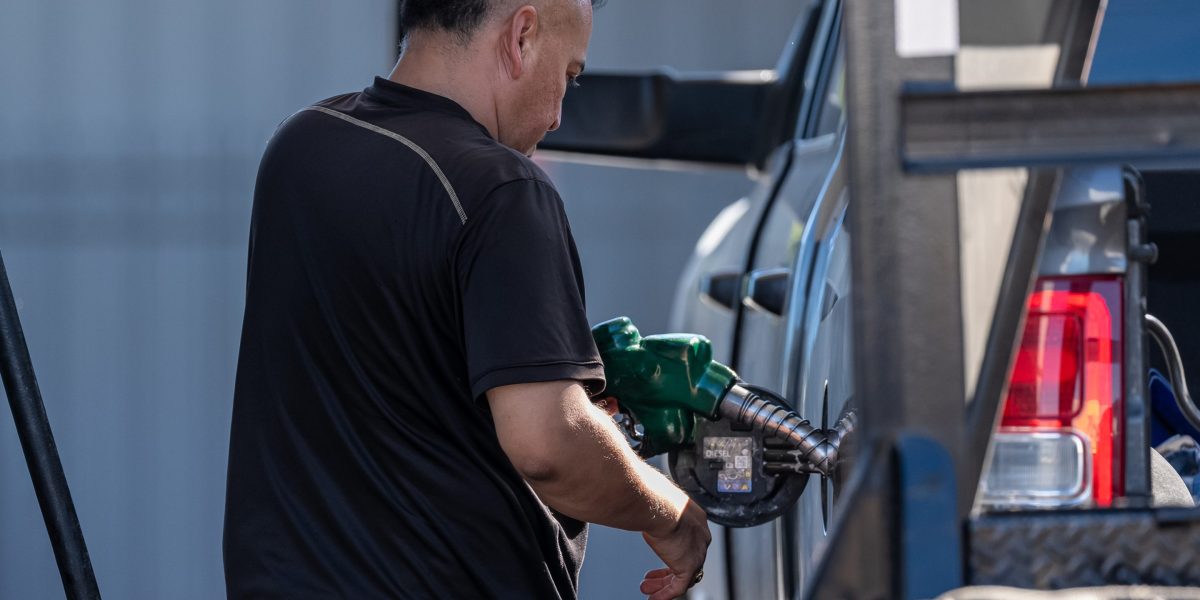
Economists care less about crude oil and more about refined fuels like gasoline and diesel. These hit household budgets and business operations directly.
Oil would need to hit $200 today
Inflation has changed what $100 oil means. According to GasBuddy's analysis, crude would need to reach closer to $200 to have the same economic impact it did decades ago.
“Oil may need to reach closer to $200 to have a similar effect on the economy today.”
Gas up 38%, diesel up 73% in a year
Regular gasoline hit $4.43 a gallon Thursday, up from $3.20 a year ago. Diesel reached a record $6.39, up from $3.70. Refinery shortages pushed prices higher than oil prices alone would suggest.
Lower-income Americans hit hardest
If high prices persist, consumer spending could drop by a few tenths of a percentage point next year. Lower-income households are most vulnerable since they spend more on essentials.
What to remember
The real economic threat isn't crude oil hitting $100, but refined fuel prices like gasoline and diesel that directly hit consumers and businesses.