From Fortune · Elizabeth A. Phelps · · 2m
Your 9/11 memory is 40% wrong
Twenty-five years of tracking the same people shows flashbulb memories drift fast, then freeze into a story you'd swear by.
In brief
Twenty-five years of tracking the same people shows flashbulb memories drift fast, then freeze into a story you'd swear by. Confidence in a memory tells you how much it matters to you, not how accurate it is. Originally reported by Fortune.
Quick answers
- Where were you?
- Almost every American of a certain age can answer that about September 11, 2001. Researchers who tracked those answers for 25 years found roughly 40% of the details are wrong.
- What is the key takeaway from Your 9/11 memory is 40% wrong?
- Confidence in a memory tells you how much it matters to you, not how accurate it is.
Where were you?
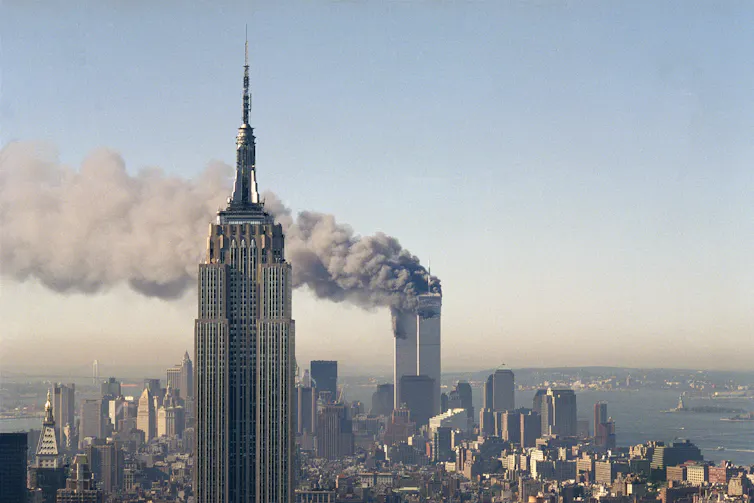
Almost every American of a certain age can answer that about September 11, 2001. Researchers who tracked those answers for 25 years found roughly 40% of the details are wrong.
“our research suggests you may have around 40% of the details wrong”
Not the event, the moment
Psychologists call these flashbulb memories. They are not about the towers falling but about the phone call, the roommate, the commuter train chatter that carried the news to you.
The study that kept going
Days after the attacks, a few thousand people across the US described where they were, who they were with, what they were doing and how they felt. They also rated how sure they were.
One year, 40% drift
At the one-year follow-up, about 40% of those details no longer matched the original account. Confidence did not budge. People were still certain they had it right.
At work becomes on a train
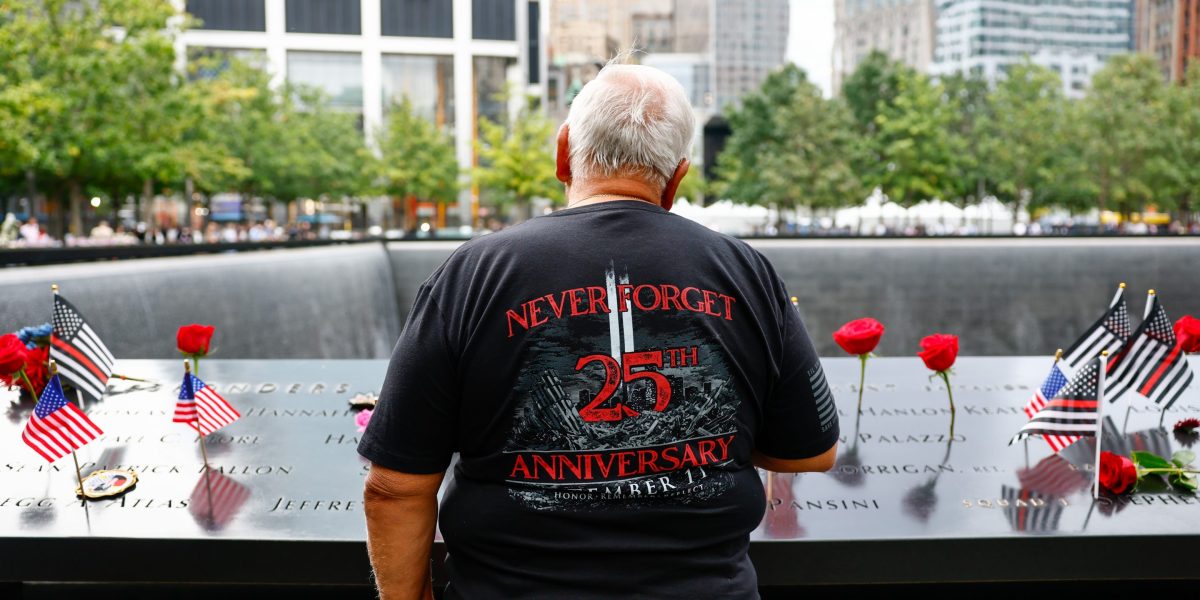
One man first said he was at work, then a year later remembered the train. A woman who had been with her husband later recalled being with her son. Small swaps, firmly held.
Wrong, then permanent
The errors did not keep wandering. Whatever people reported at the one-year mark, right or wrong, is what they still reported at three years and ten years.
“these erroneous memories became stable over time”
Memory is a rebuild
Recall reconstructs the past rather than replaying an archive, and there are windows when memories are open to change. The surprise is not that people misremember, it is that they refuse to believe it.
“Memory is a reconstruction of past events, not a stable archive.”
Why you feel so sure
Emotion sharpens a few details while blurring many others, and it inflates confidence across the board. Telling the story to others, and being heard, raises that confidence further.
Memories mark a tribe
Flashbulb memories belong to communities. In the 1970s, 75% of Black Americans had one for Martin Luther King Jr.'s assassination versus 32% of white Americans. Most Britons have one for Diana; most Italians do not.
The story does the work
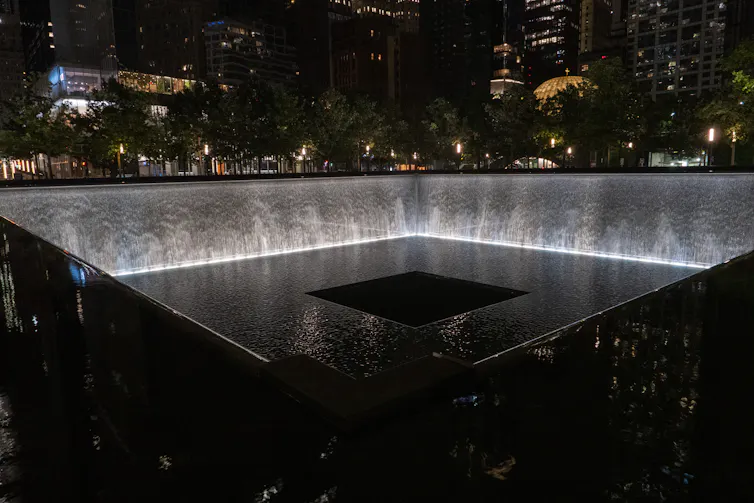
People judged losing your 9/11 flashbulb memory as a bigger hit to American identity than forgetting the attack itself. Telling it again is less a record than a claim of belonging.
“You are providing a narrative that binds you with other Americans”
The essence
Confidence in a memory tells you how much it matters to you, not how accurate it is.


