From Futurism · Joe Wilkins · · 1m 30s
Pregnant women miscarrying in ICE detention
Immigration authorities recorded 18 miscarriages in nine months but stopped tracking the data, obscuring a health crisis.
In brief
Immigration authorities recorded 18 miscarriages in nine months but stopped tracking the data, obscuring a health crisis. ICE is deliberately not counting miscarriages among detained pregnant women, making it impossible to know the true scale of medical neglect in immigration facilities. Originally reported by…
18 miscarriages in nine months
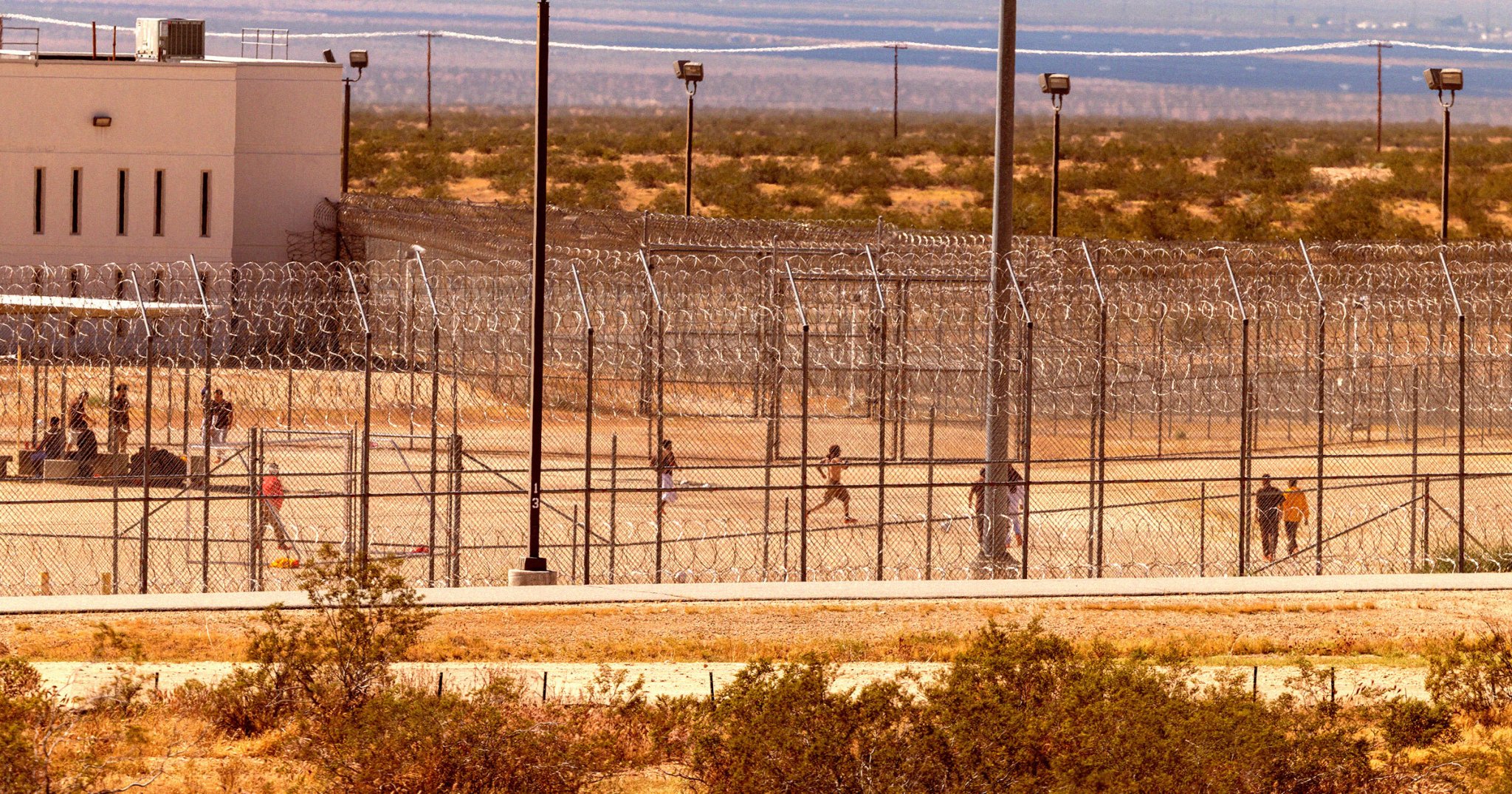
During Trump's first nine months back in office, ICE recorded 18 miscarriages among women in its custody. The agency stopped tracking data after October 2025.
Deplorable conditions in detention
ICE facilities are marked by poor living conditions, inadequate treatment, and a severe lack of quality healthcare. Pregnant women face particularly nightmarish circumstances.
Anabell's story of neglect
A Nicaraguan asylum seeker named Anabell tested positive for pregnancy but received no prenatal vitamins or standard blood tests. When she started bleeding, ICE officers ignored her pleas for medical care.
“I told them I need to see a doctor”
Shackled during emergency care
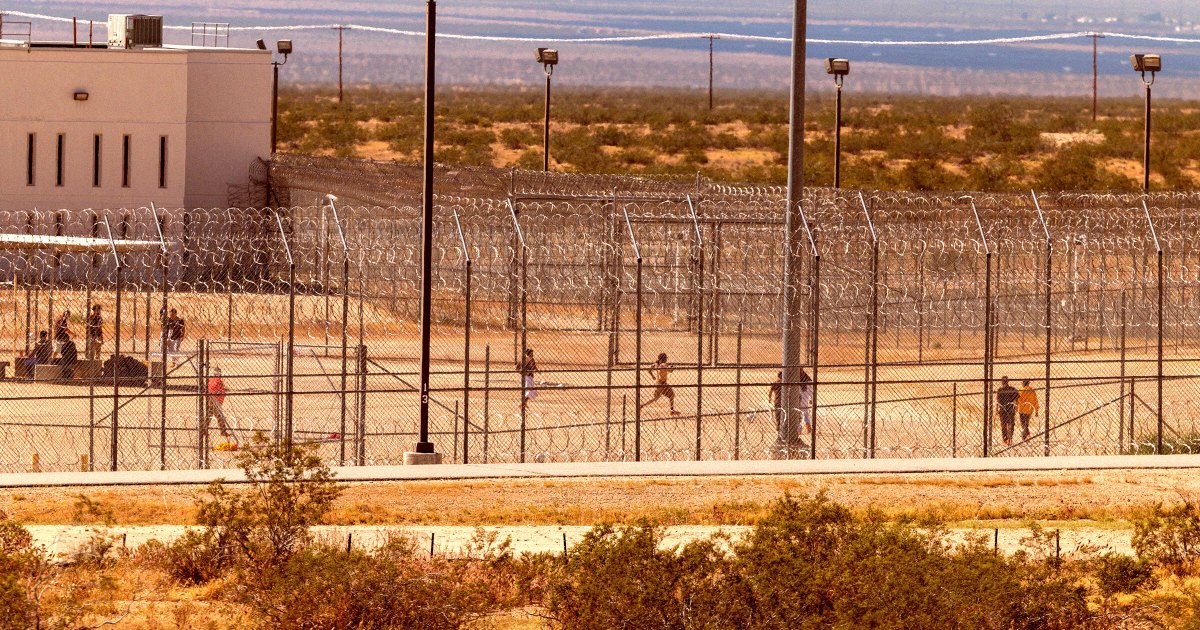
After fellow detainees forced guards to take Anabell to an emergency room, she was shackled to a bed and monitored by three ICE agents while learning she had miscarried.
Ongoing health complications
Anabell continues to experience bleeding, vomiting, rashes, hair loss, and weight loss with no additional medical care provided. She remains uncertain about her future.
“I don't know what is going to happen to me”
ICE deliberately hiding the data
Sarah Decker, a senior attorney at the Kennedy Human Rights Center, says ICE is aware of pregnant women in custody and their medical crises but is intentionally obscuring data to cover up life-threatening neglect.
“their desire to kind of obfuscate the access that people have to this data is intended to cover up”
The main idea
ICE is deliberately not counting miscarriages among detained pregnant women, making it impossible to know the true scale of medical neglect in immigration facilities.




