From Guitar World · · 1m 30s
How Robert Palmer saved a guitarist from self-doubt
A chance moment in the studio became the turning point that helped Carl Carlton overcome imposter syndrome.
In brief
A chance moment in the studio became the turning point that helped Carl Carlton overcome imposter syndrome. Sometimes the people we admire most already believe in us, even when we don't believe in ourselves. Originally reported by Guitar World.
Even great musicians doubt themselves
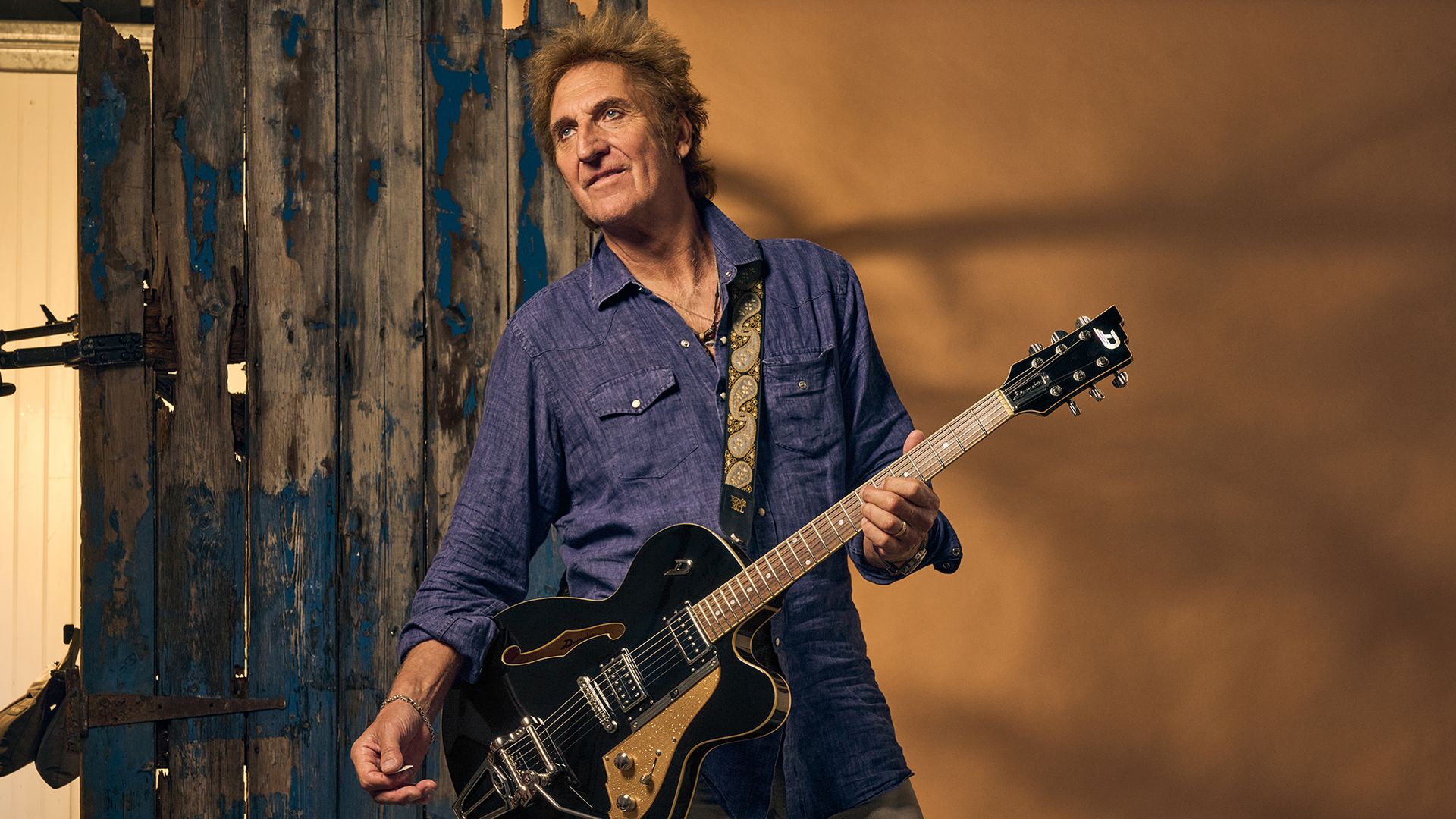
Carl Carlton, a renowned European slide guitarist and first-call sideman for Robert Palmer and Eric Burdon, battled imposter syndrome throughout his career. Coming from a small farm in Northern Germany, he always feared being exposed as not good enough.
“I always had imposter syndrome. When I played with Manfred Mann or something, I always thought, 'Any minute, they're going to find out I'm no good.'”
The perfect storm in the studio
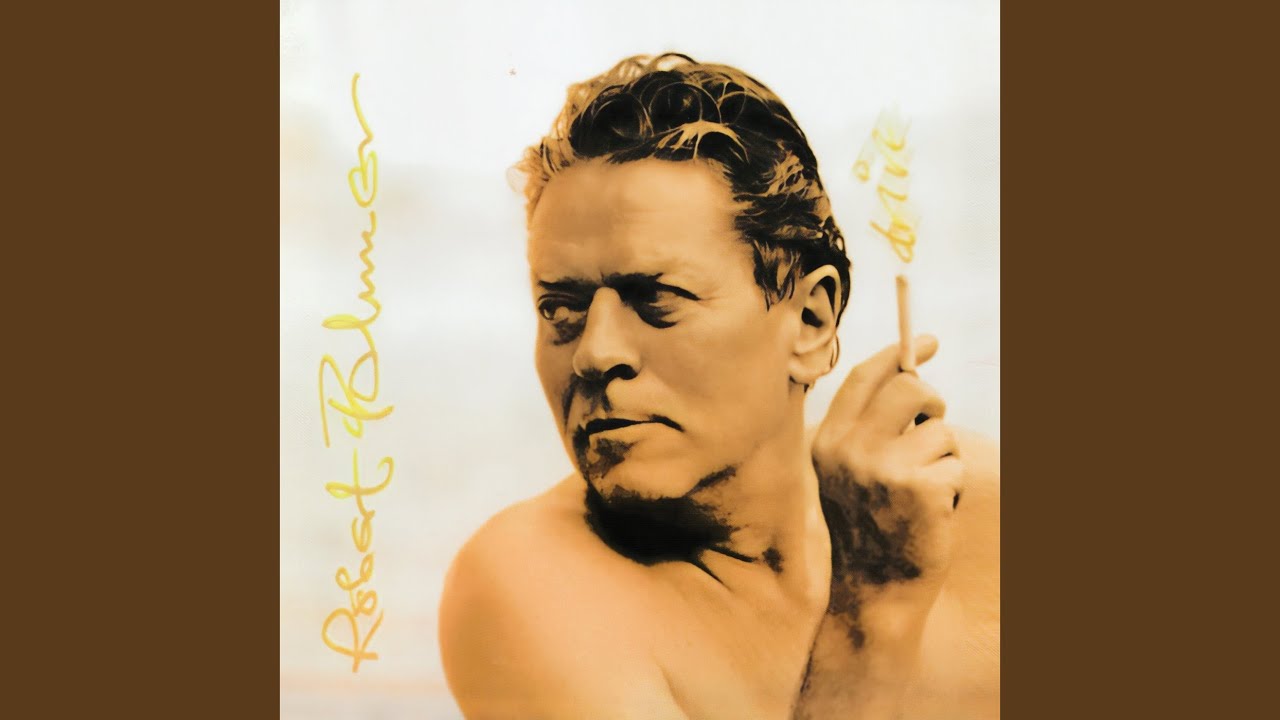
While recording a calypso-groove song called Stella at Metropolis Studios in London, Carlton froze. Robbie McIntosh was watching from the control room, and the record label had suggested Eric Clapton as a guest. The pressure became unbearable.
Palmer's unexpected intervention
Robert Palmer walked in with a martini and cigarette, offering Carlton a drink. When Carlton exploded about his anxiety, Palmer calmly said, 'I don't want Robbie. I don't want Clapton. I want you.' Carlton didn't believe him.
“'I don't want Robbie. I don't want Clapton. I want you.'”
The truth from an unlikely source
Someone's girlfriend overheard Carlton's breakdown and told him that Palmer constantly praised his playing and feel to everyone. She confirmed that Palmer genuinely wanted only him on the track, not anyone else.
“'Robert is always talking to everyone about your playing and your feel. And he wants you, nobody else.'”
A breakthrough moment
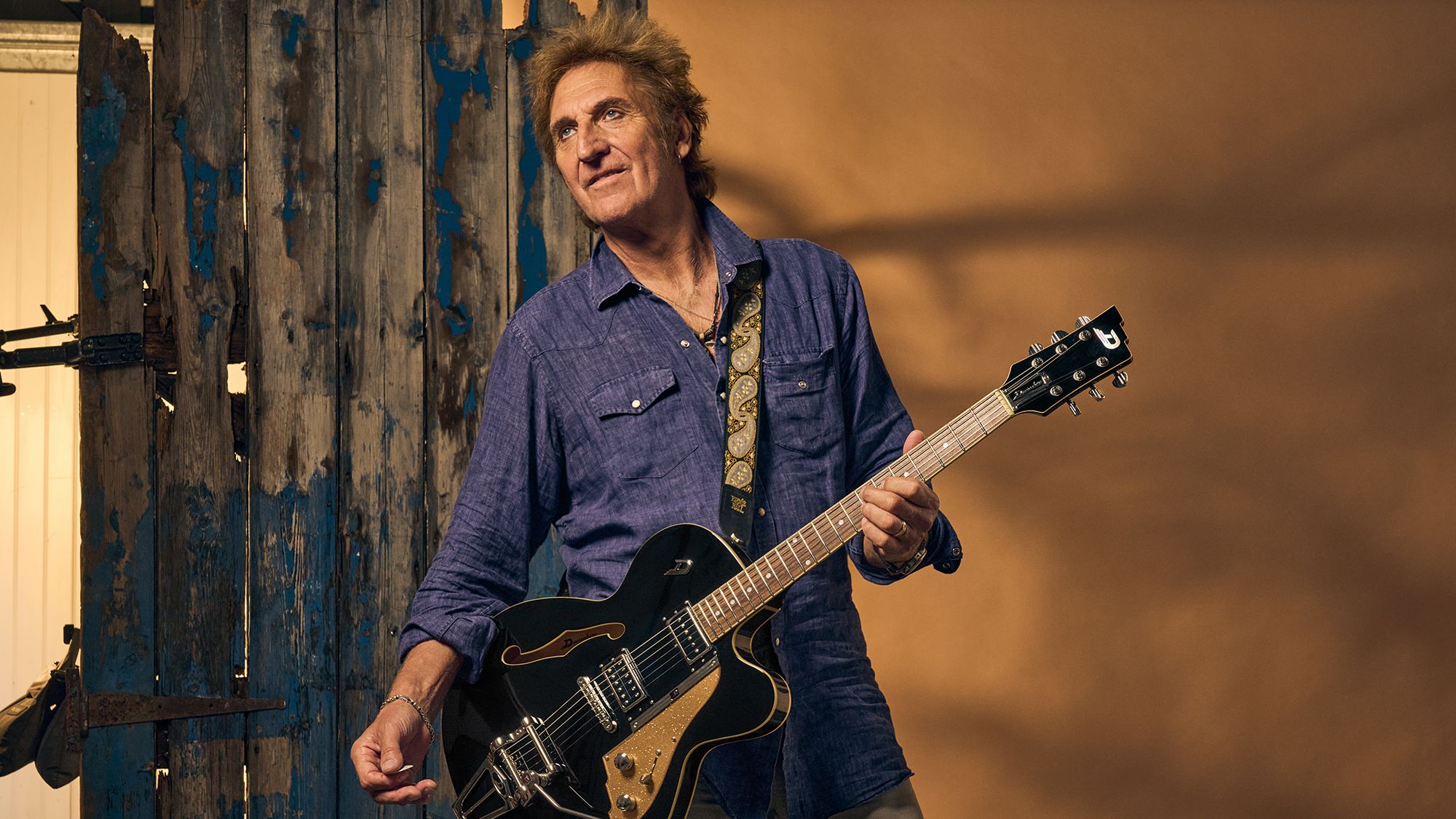
Learning that Palmer's confidence in him was genuine became a turning point for Carlton. He realized that someone he deeply respected already believed in his abilities, which helped him finally overcome the imposter syndrome that had haunted his entire career.
“That was a big step for me.”
The headline
Sometimes the people we admire most already believe in us, even when we don't believe in ourselves.