From Guitar World · · 4m
The Czech factory rethinking the acoustic guitar
Petr Furch runs robots and hand work side by side to push acoustic design past tradition, and explains why the next step keeps getting harder.
In brief
Petr Furch runs robots and hand work side by side to push acoustic design past tradition, and explains why the next step keeps getting harder. Real improvement in a traditional craft comes from asking what the instrument needs, not from copying what already sells. Originally reported by Guitar World.
An old mill, a new factory
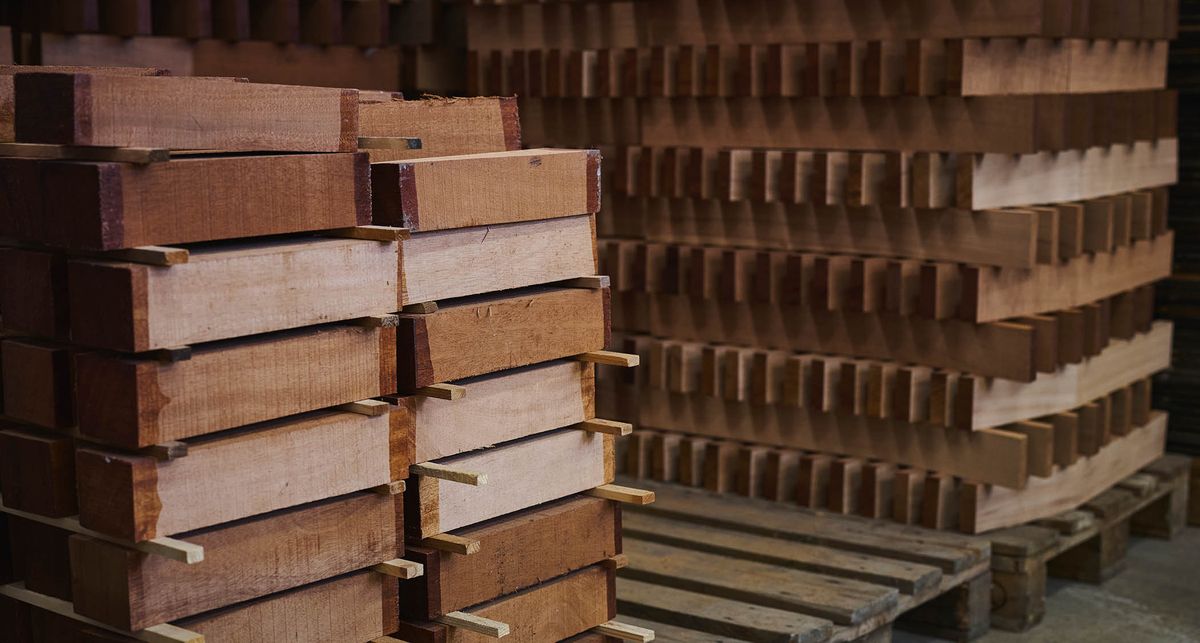
Furch builds guitars in Velké Němčice, a village outside Brno surrounded by fields and orchards. The white stone frontage suggests old-world craft. Inside, it is anything but.
Robots and micro-climates

Five-axis robots cut precision neck joints. Humidity is controlled zone by zone, so glueing bracing to soundboards and fitting truss rods each happen in their own conditions.
Engineered as much as crafted

Petr Furch splits the work by what each does best. Hands take the jobs needing constant micro-decisions, like glueing binding. Machines take the jobs that reward exact repetition.
Picking the squad
He assigns people and machines to build stages like a football manager naming a lineup, based only on which choice yields the better finished instrument.
The gilded cage of heritage

Gibson and Martin can sell on history, and buyers expect it. That legacy becomes a constraint the moment those makers want to try something genuinely new.
Young enough to experiment

Furch is still building its profile worldwide, so it carries no such expectation. It talks about the future of acoustic design instead of the past.
Performance or Deluxe

Every model comes in two formats. Performance ships with an LR Baggs pickup system. Deluxe is built for unplugged playing and adds the Booster Soundport.
Sound aimed at the player
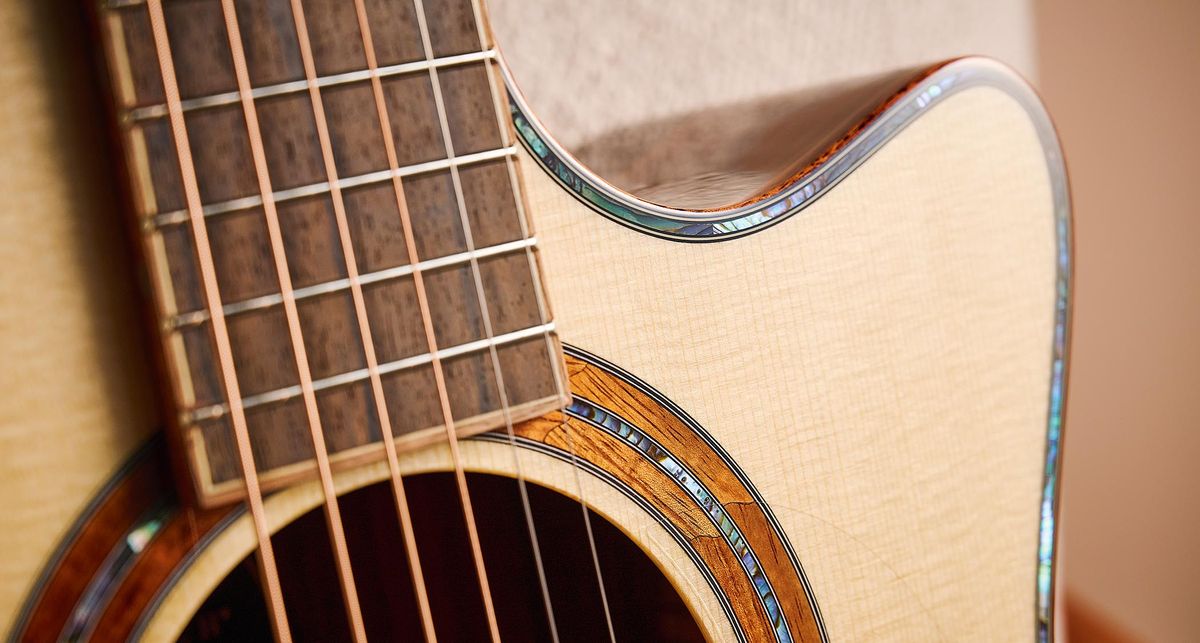
The Booster Soundport is a set of slots in the guitar's upper side that spills some of the sound back toward the person holding it.
The colour code problem
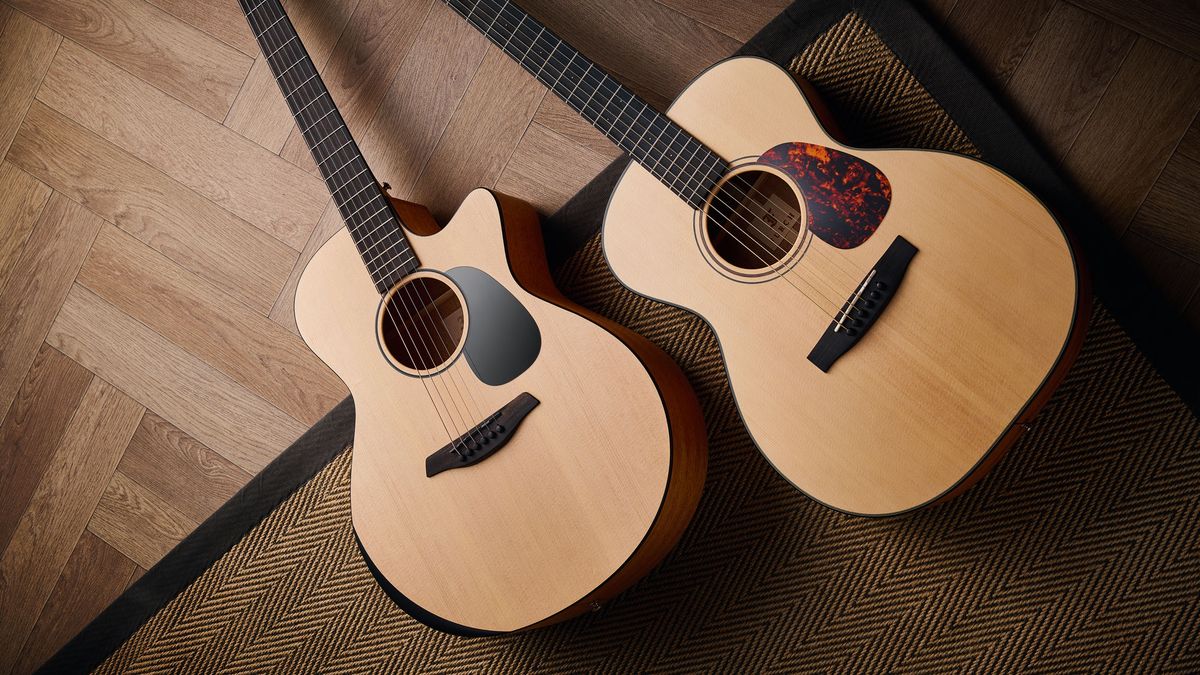
Ranges run Violet, Blue, Green, Yellow, then flagship Red as spec climbs. It is the one part of the lineup you cannot read at a glance.
Custom features as standard
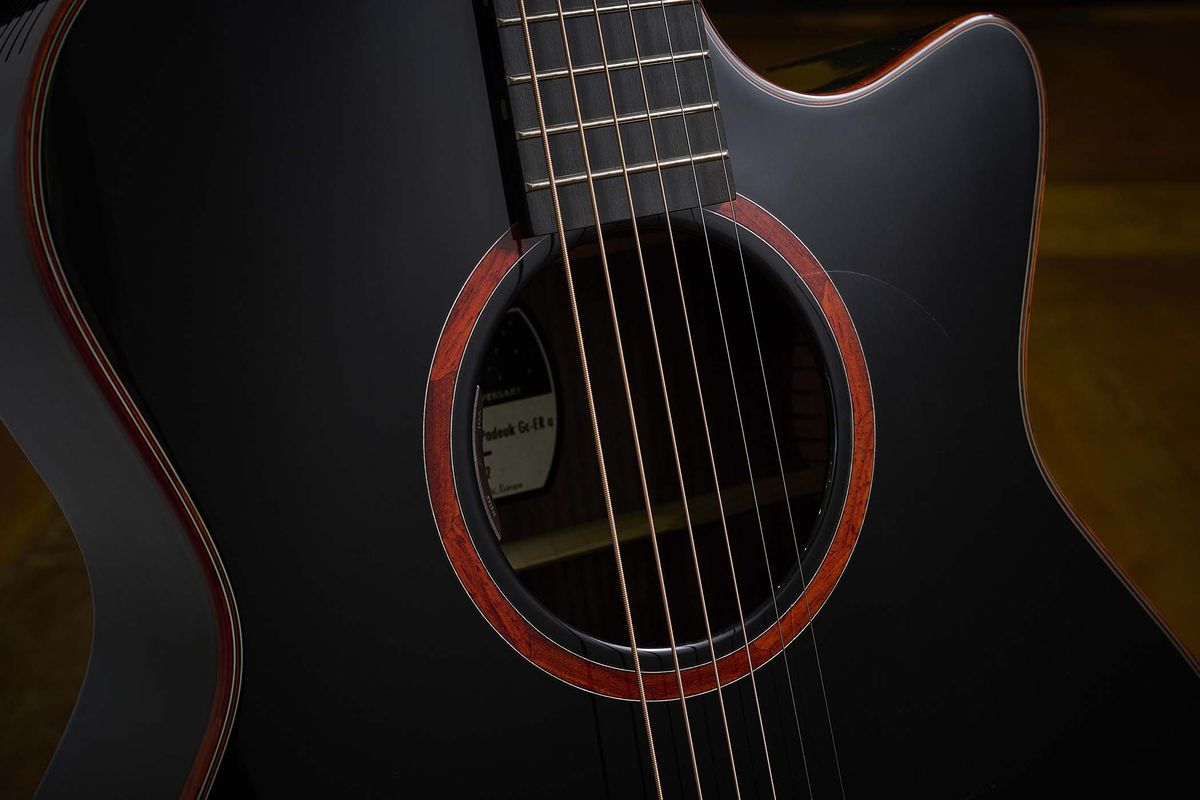
Every Furch soundboard is individually analysed and tuned for resonance. Most models get the Bevel Duo armrest and bellycut. Both are usually custom-shop territory.
Never a copy
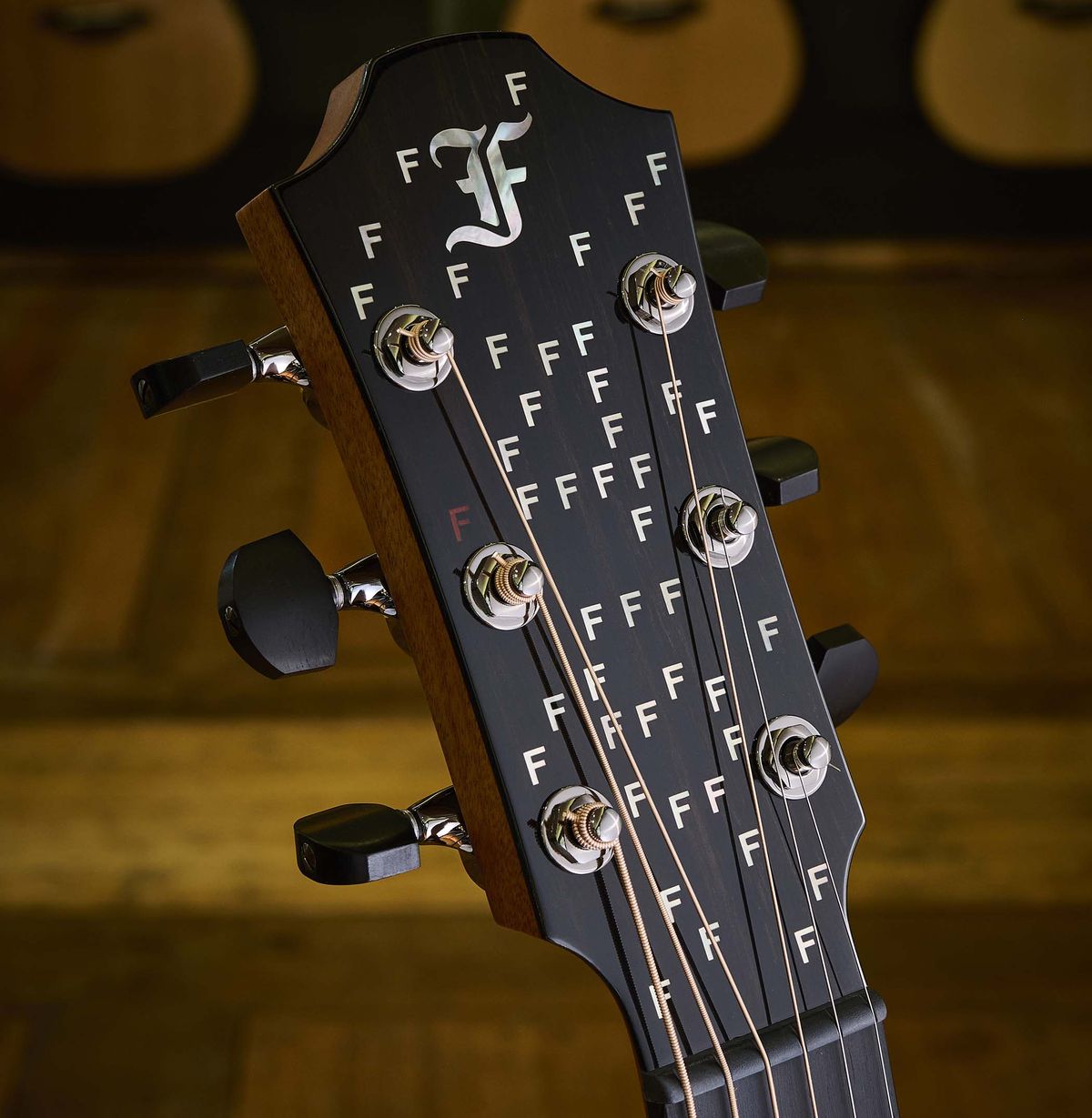
Petr's father Frantisek started the company 45 years ago with one rule that still holds: build a better guitar rather than someone else's guitar.
“It was not really about making a copy of somebody else's guitar. It was about improving the guitar in general.”
Needs customers cannot name
The brief is ergonomics, durability, longevity and above all sound, including fixes for problems players have not thought to ask for.
“Maybe they don't know they need it, but it would be helpful for them”
Money bought the tools
In the '90s the ideas were there but the budget was not. Bigger revenue plus internal know-how about using new technology opened doors that stayed shut for decades.
Why the finish matters
An acoustic makes sound by vibrating its body, so the weight and flexibility of the soundboard count. The protective coating over that box either helps or gets in the way.
Thin, hard, still flexible
The lacquer had to be as thin and hard as possible while staying flexible, because the top and sides move constantly with humidity.
A year in the spray booth
Furch worked with lacquer specialists, then spent over a year mixing additives, spraying, curing and sanding. The formula landed in 2017 and now goes on every guitar.
What it actually does
The Resonance-Enhancing Finish adds noticeable volume, better balance, and a touch more high end. Even open-pore models get a thin coat of it.
“Extra volume is the main thing that you can notice”
A neck that resets itself

The CNR Active System hides a wooden Expansion Element in the neck joint. Its grain direction makes it swell or shrink with humidity, tilting the neck to hold string action steady.
Wood beat the synthetic
Furch tried artificial materials for the Expansion Element, expecting more predictable behaviour. Wood won, because the top it compensates for is wood too and moves at the same rate.
The next step keeps shrinking

Some materials get scarcer each year, and the deeper the understanding goes, the smaller each gain becomes. Ideas that make a guitar pricier for tiny returns get killed.
“It's getting tougher and tougher to make another step forward”
In short
Real improvement in a traditional craft comes from asking what the instrument needs, not from copying what already sells.