From Homes and Gardens · · 3m
7 Native Perennials to Plant Now for Migrating Hummingbirds
September planting gives these nectar-rich natives time to root, and gives hummingbirds fuel for the long flight south.
In brief
September planting gives these nectar-rich natives time to root, and gives hummingbirds fuel for the long flight south. Plant native perennials in September so roots establish before winter, and favor red tubular blooms that hummingbirds can reach and other insects cannot. Originally reported by Homes and Gardens.
Plant now, feed later
September soil is warm and moist, so perennials root before dormancy and come back strong in spring. Put them in beds, borders, or containers.
Migration runs on nectar
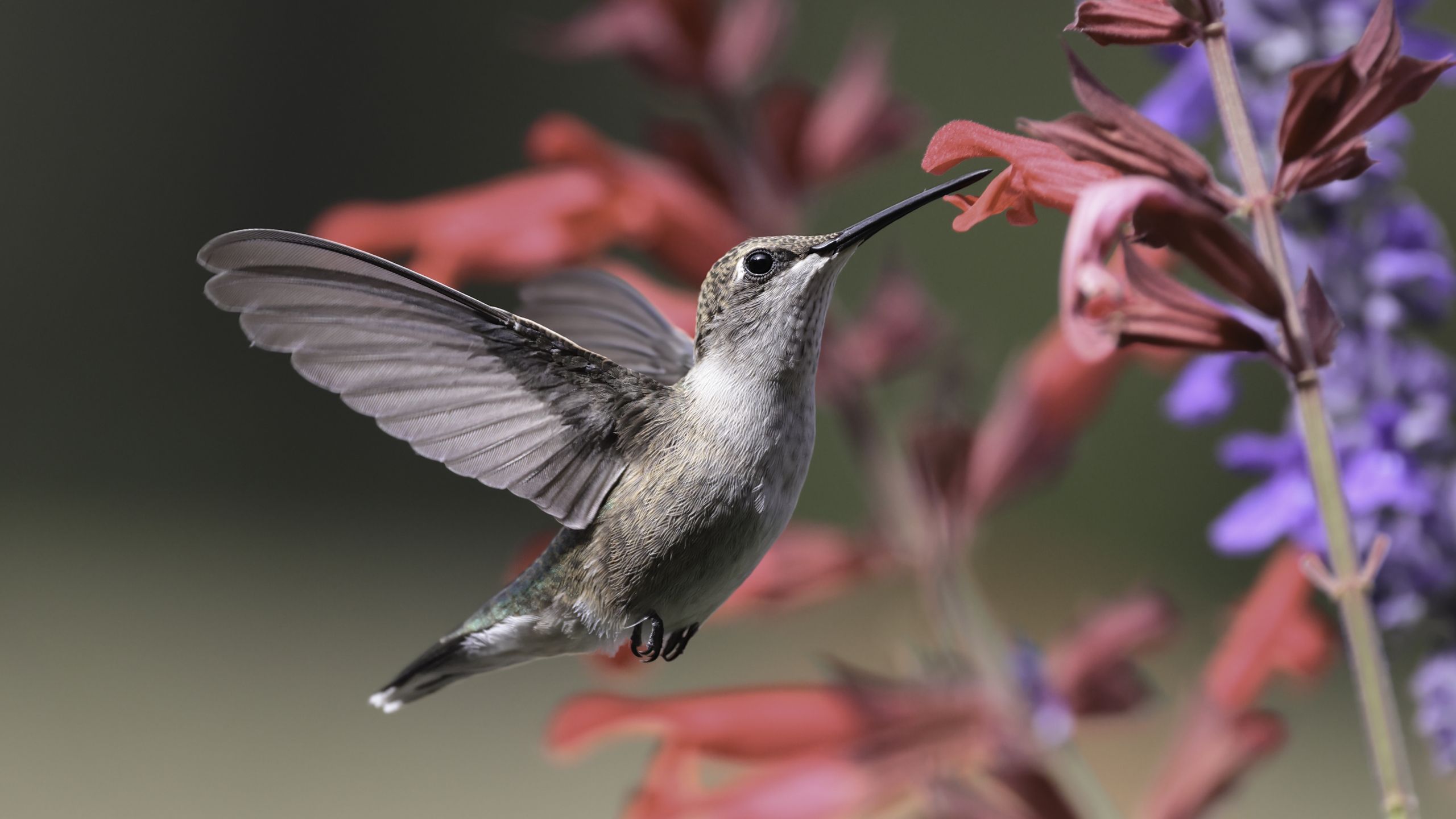
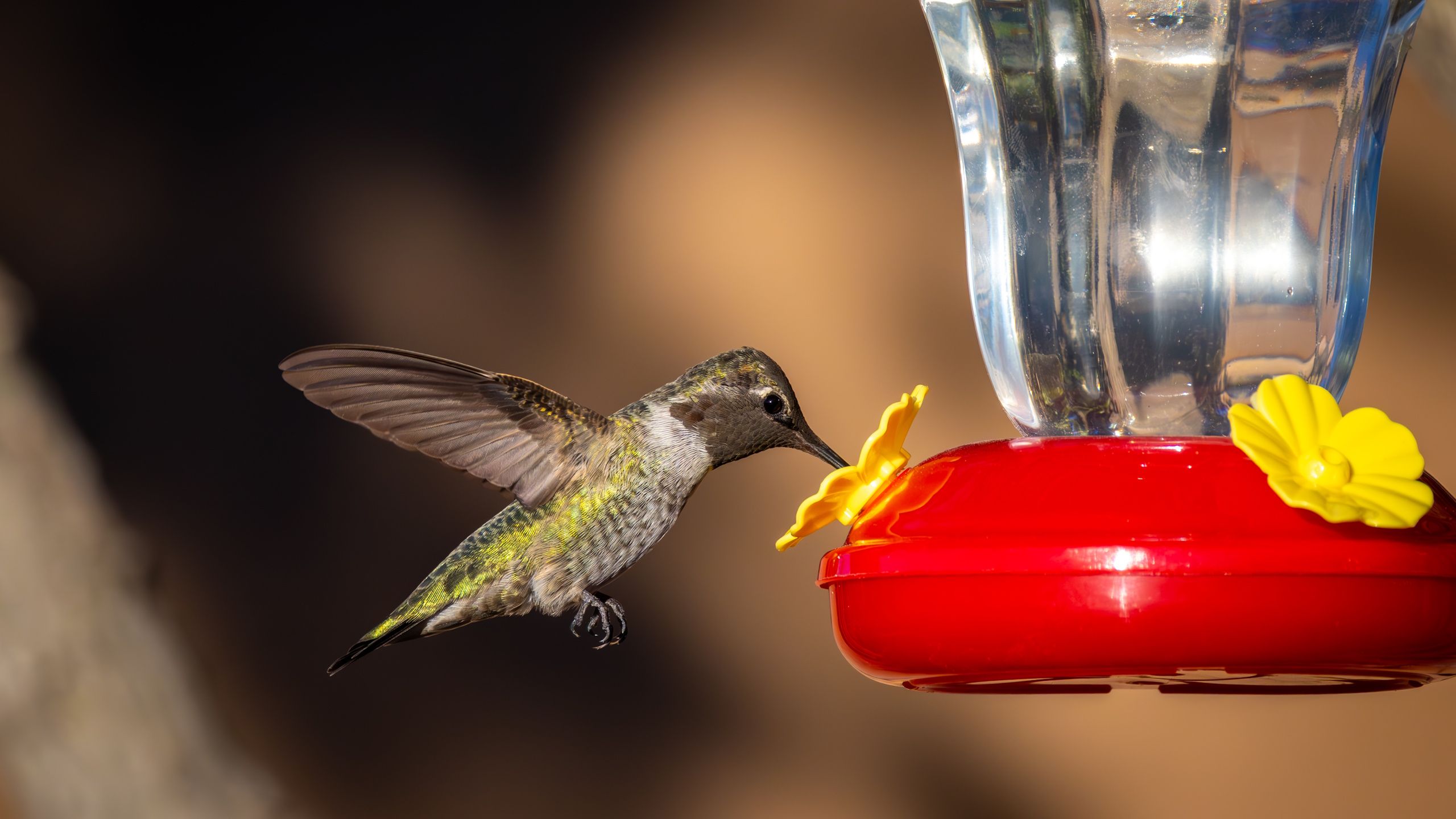
Hummingbirds burn through fuel during spring and fall migration. A garden full of nectar-rich blooms becomes a refueling stop on a very long trip.
Cardinal flower, built for beaks
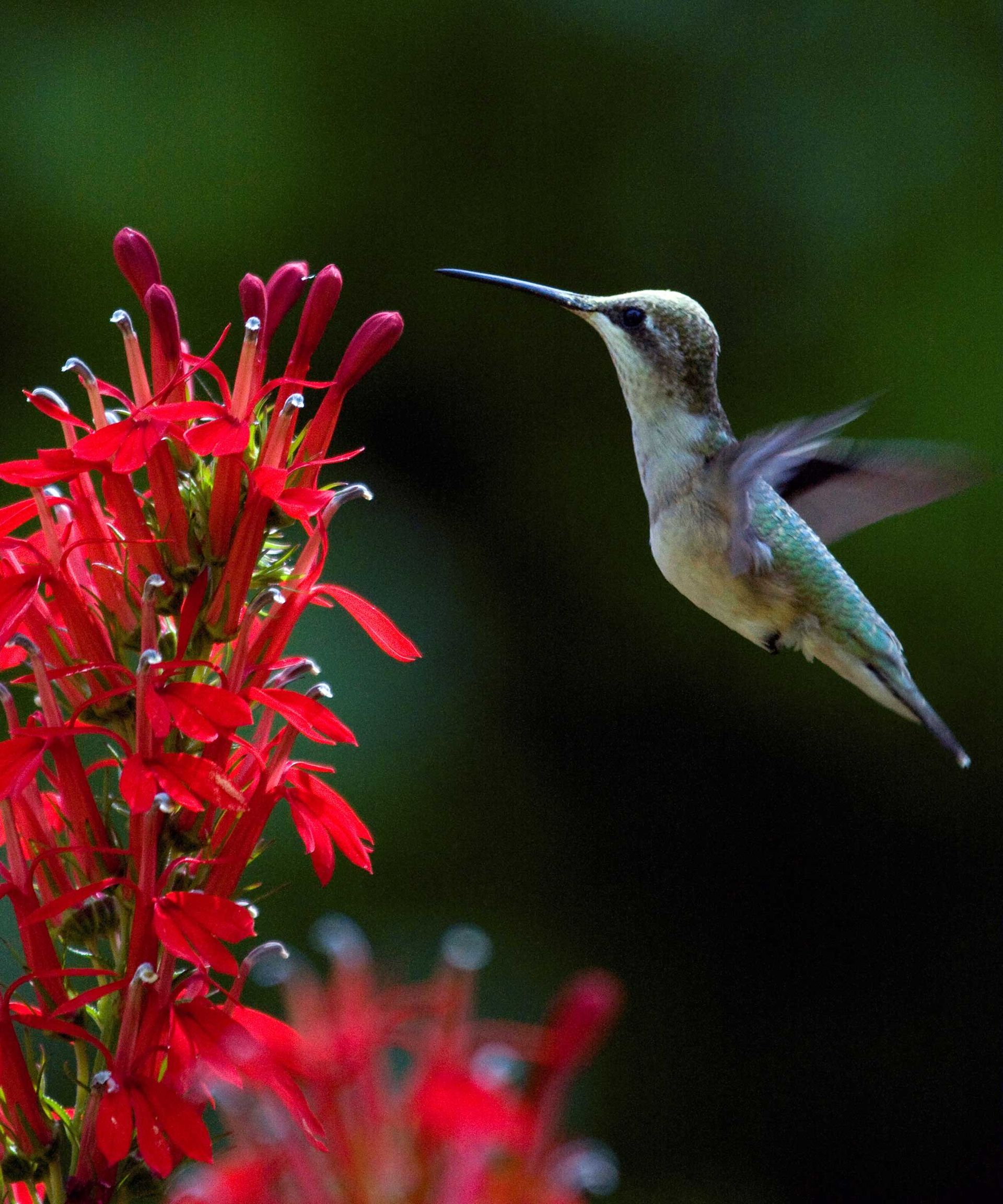
Lobelia cardinalis grows red tubular spikes that are shaped and colored for hummingbirds. It depends on them for pollination more than on any insect.
Pollen on the head
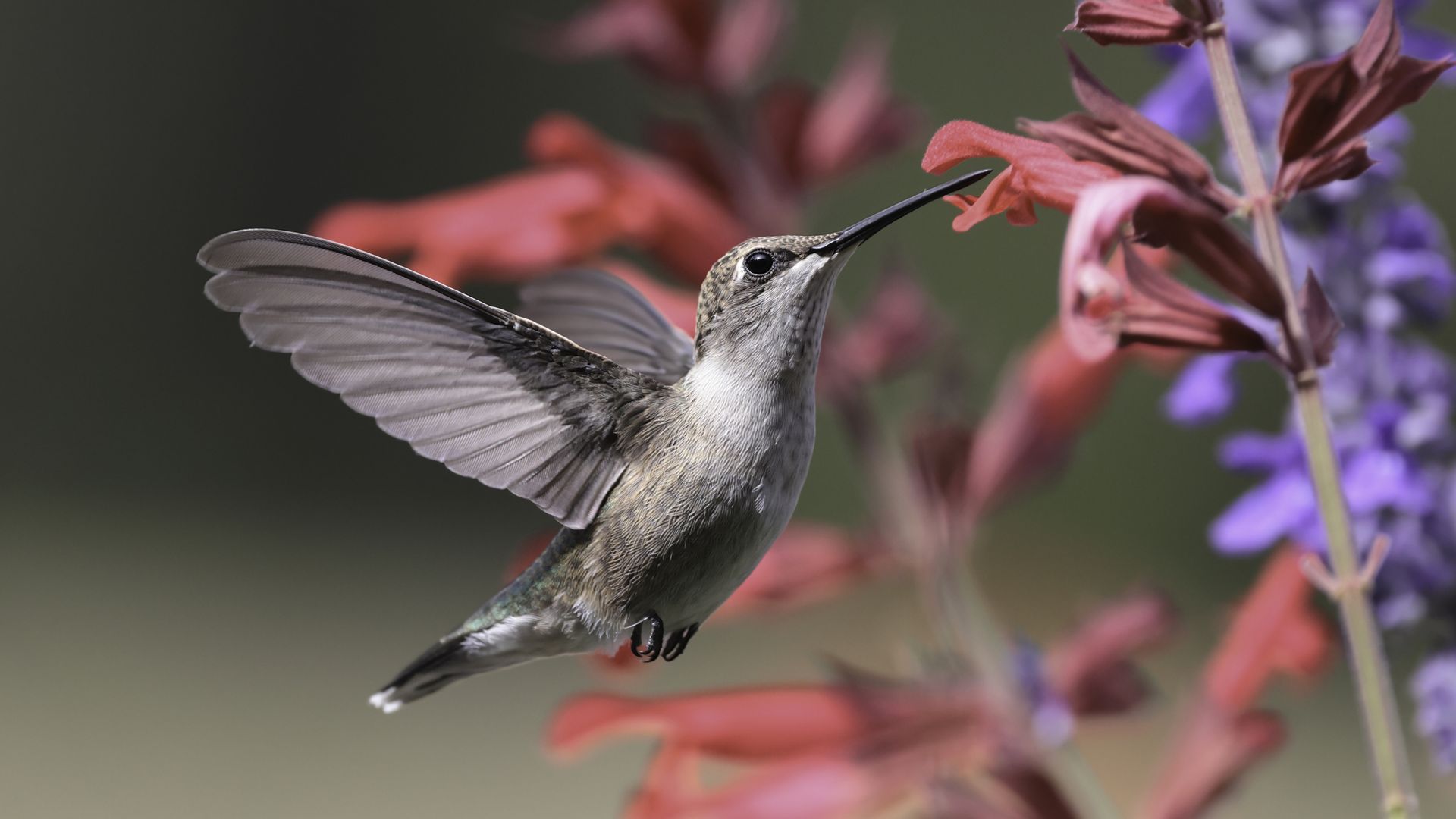
As a hummingbird feeds, the male part of the cardinal flower brushes the top of its head, carrying pollen to the next bloom.
“The male part of the flower brushes the top of the hummingbird's head as it feeds”
Cardinal flower likes shade
Hardy in zones 3-9, it handles part shade better than most hummingbird plants. Keep the soil moist and mulch each year.
Bee balm reaches deeper
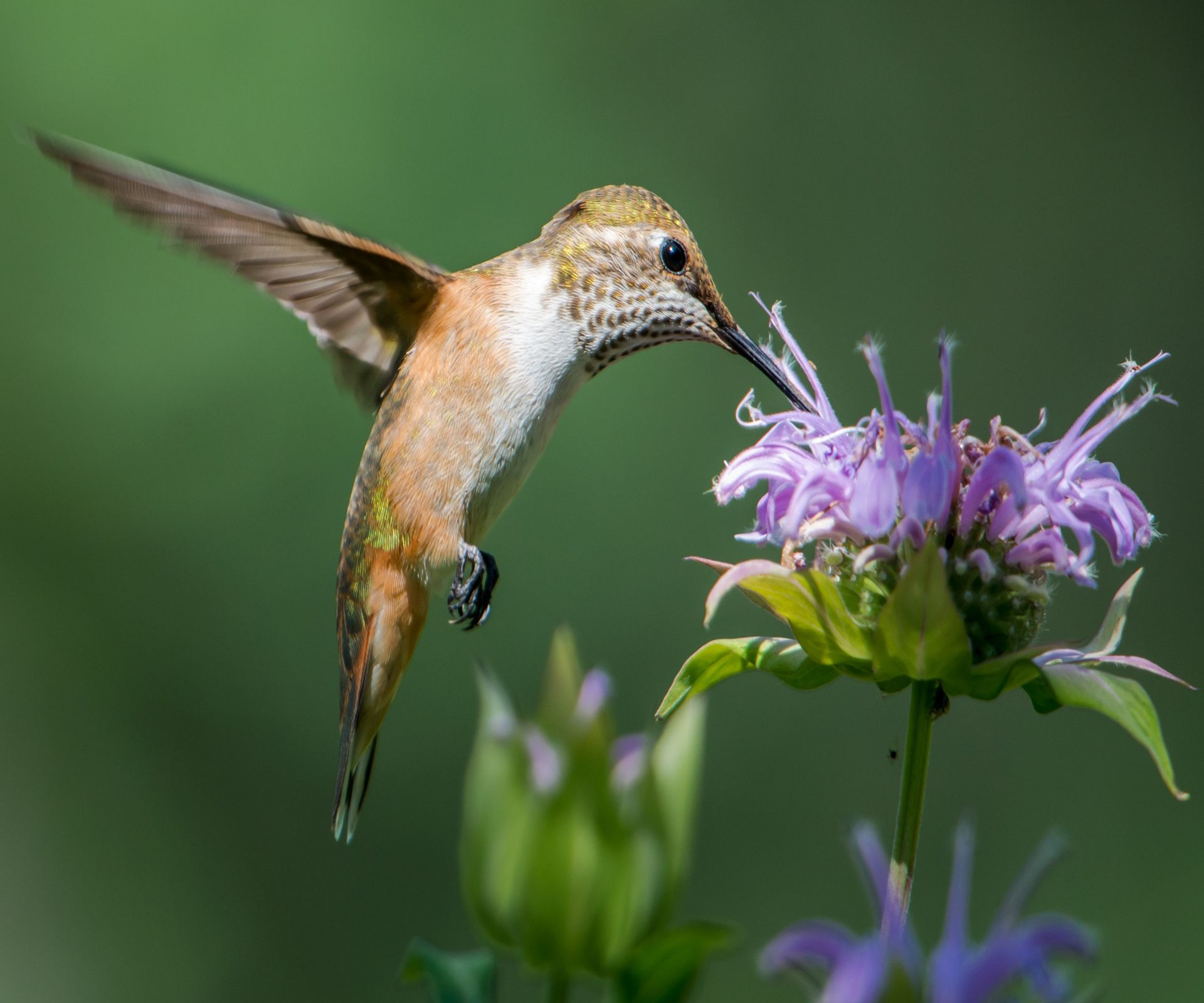
Monarda's spiky blooms are tubular, so a hummingbird's long beak and tongue get nectar that shorter insect mouthparts cannot touch.
Go scarlet
Monarda comes in many colors, but scarlet bee balm pulls in hummingbirds, bees, and butterflies. Red is the color that gets noticed.
Bee balm wants sun
Plant in a sunny spot with compost or well-rotted manure worked in, and keep soil moist the first year. Shade cuts flowering.
Sow bee balm in fall
Seeds sown outdoors now get the natural cold stratification they need to germinate. Skip that chill and you get nothing.
Goldenrod for late meals
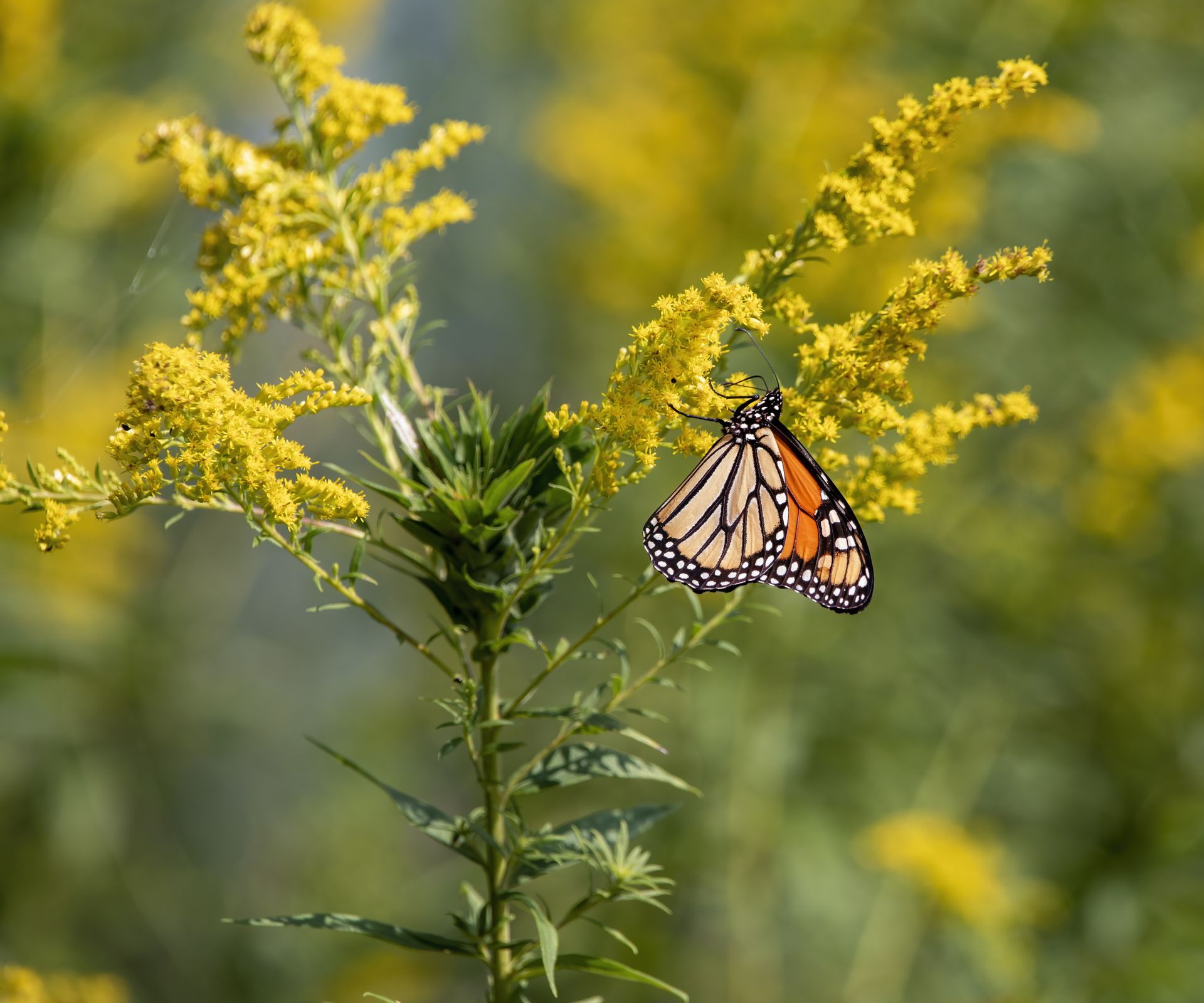
Solidago blooms in fall with yellow nectar clusters. It mostly serves bees and butterflies, but hummingbirds drop in for a meal.
Goldenrod is not the culprit
It grows tall for the back of a border, thrives in zones 3-9 and poor soil. The sneezing blamed on it is really ragweed, which blooms at the same time.
“The reality is that ragweed, which looks similar and blooms at the same time, is responsible for this”
Asters extend the season
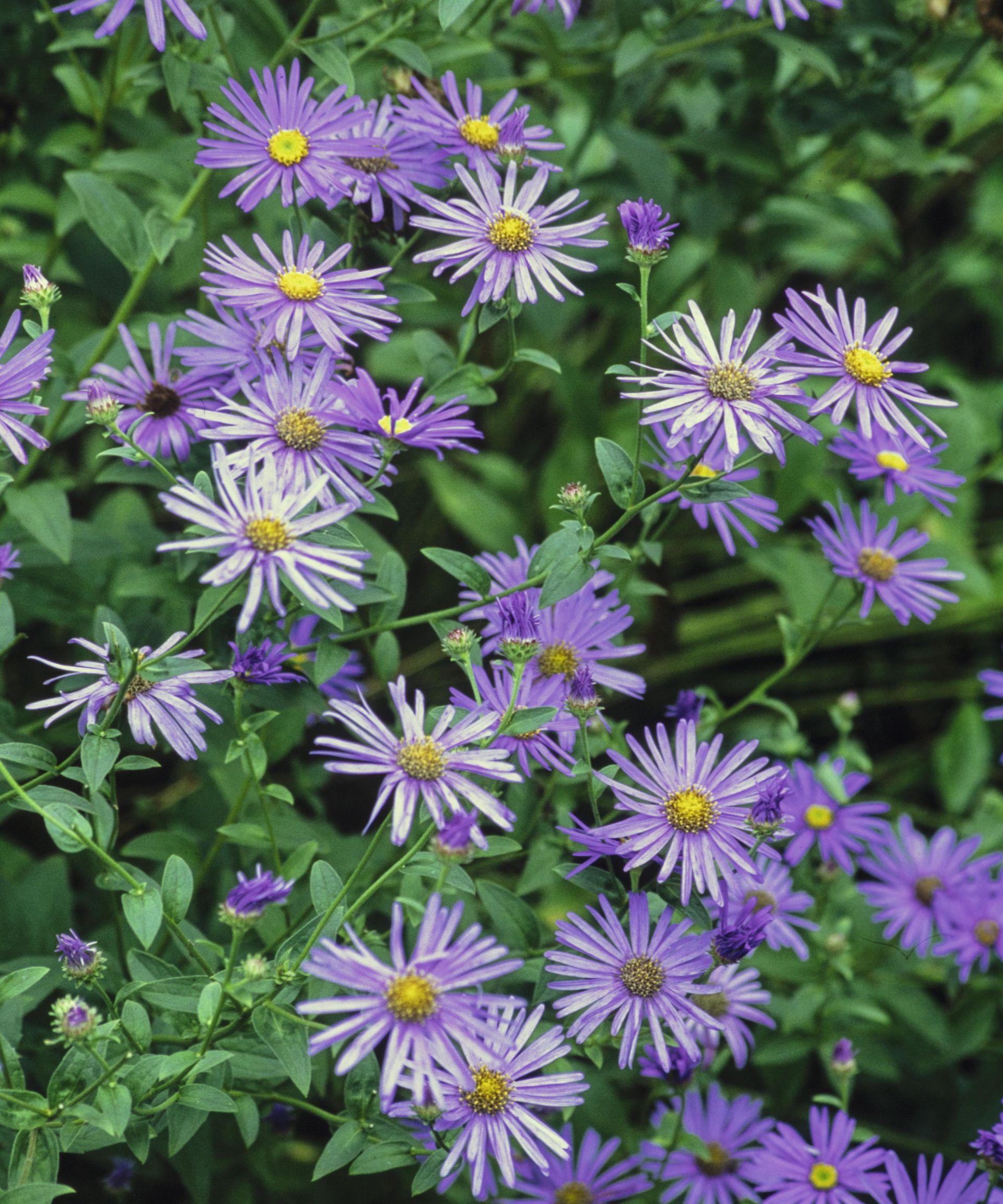
More than a hundred native varieties exist, from New England to California. Daisy-like flowers swarm with late-season pollinators and reach up to six feet.
Leave asters standing
Give them full sun and well-draining soil, and deadhead through the season. Do not cut them back in fall; the stems shelter insects over winter.
Blazing star, a prairie magnet
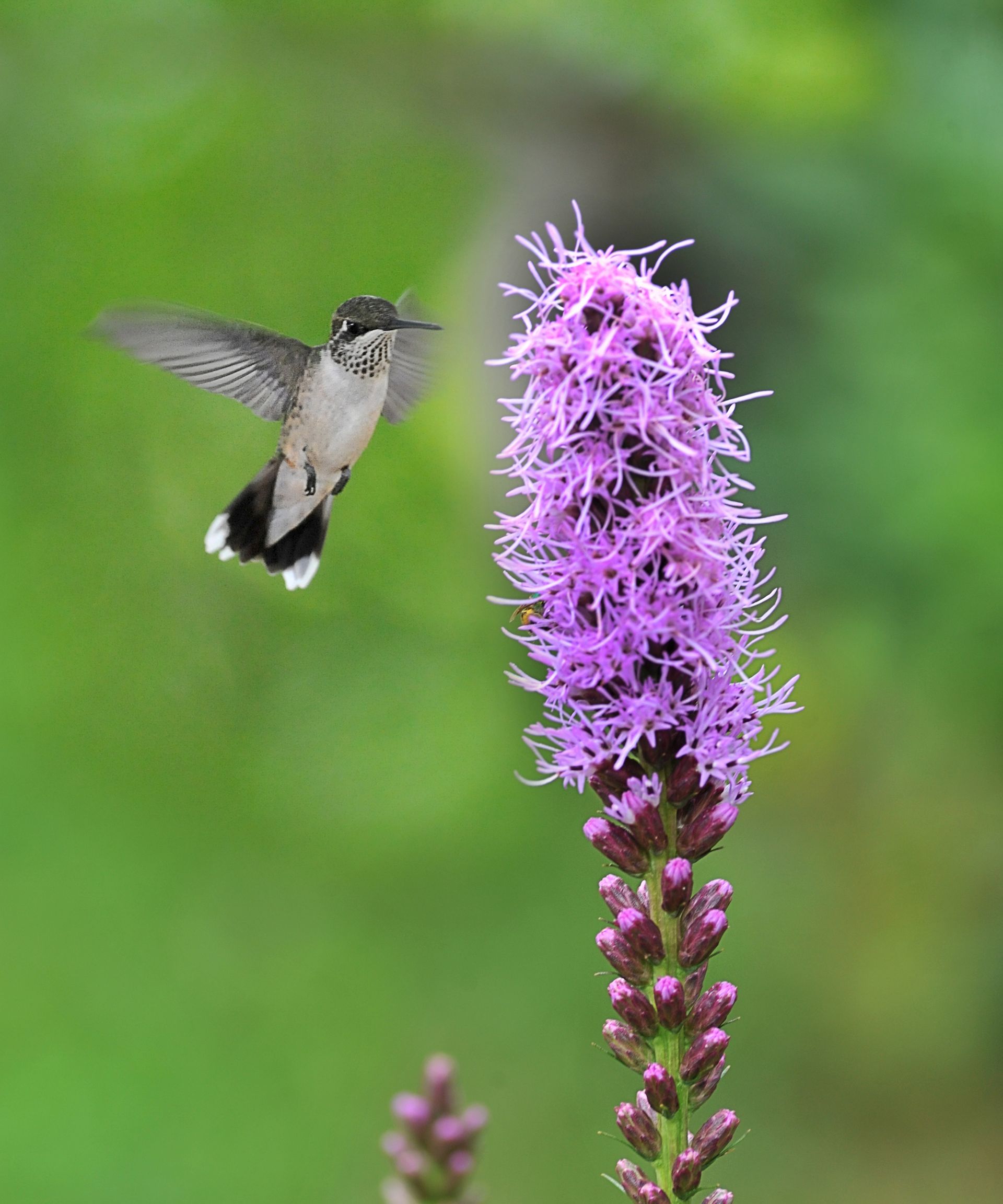
Liatris sends up fuzzy purple, pink, or white spikes that open from the top down over weeks. Butterflies mob it and hummingbirds stop by.
Blazing star asks for little
Plant corms in fall in milder climates, in full sun and well-drained soil. Once established it needs only light watering in hot spells.
Beardtongue in red
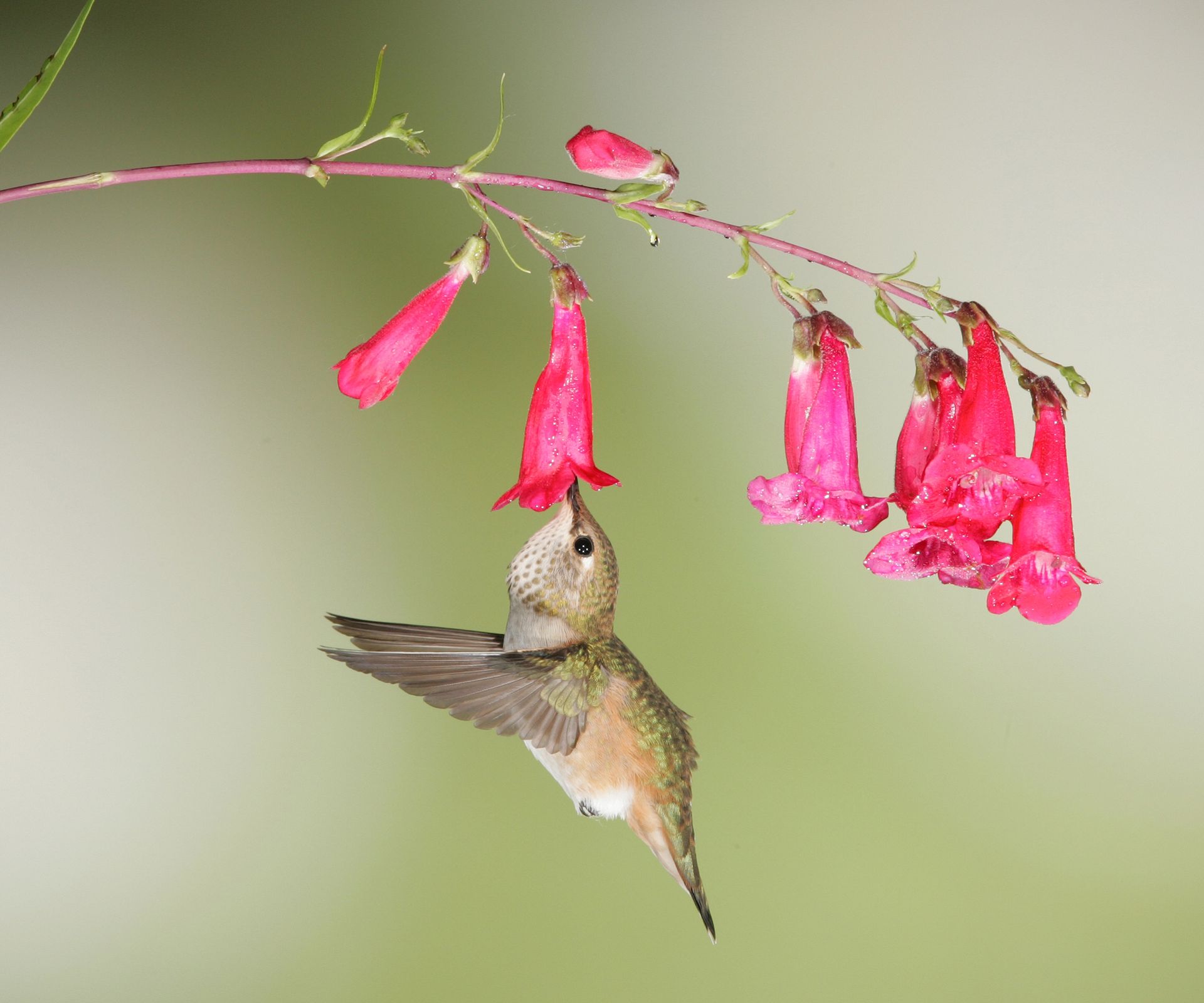
Penstemon's deep tubular blooms flare at the tip and suit a long beak. Pick a red variety for hummingbird attention, and deadhead to keep flowers coming.
Hummingbird mint, 360-degree buffet
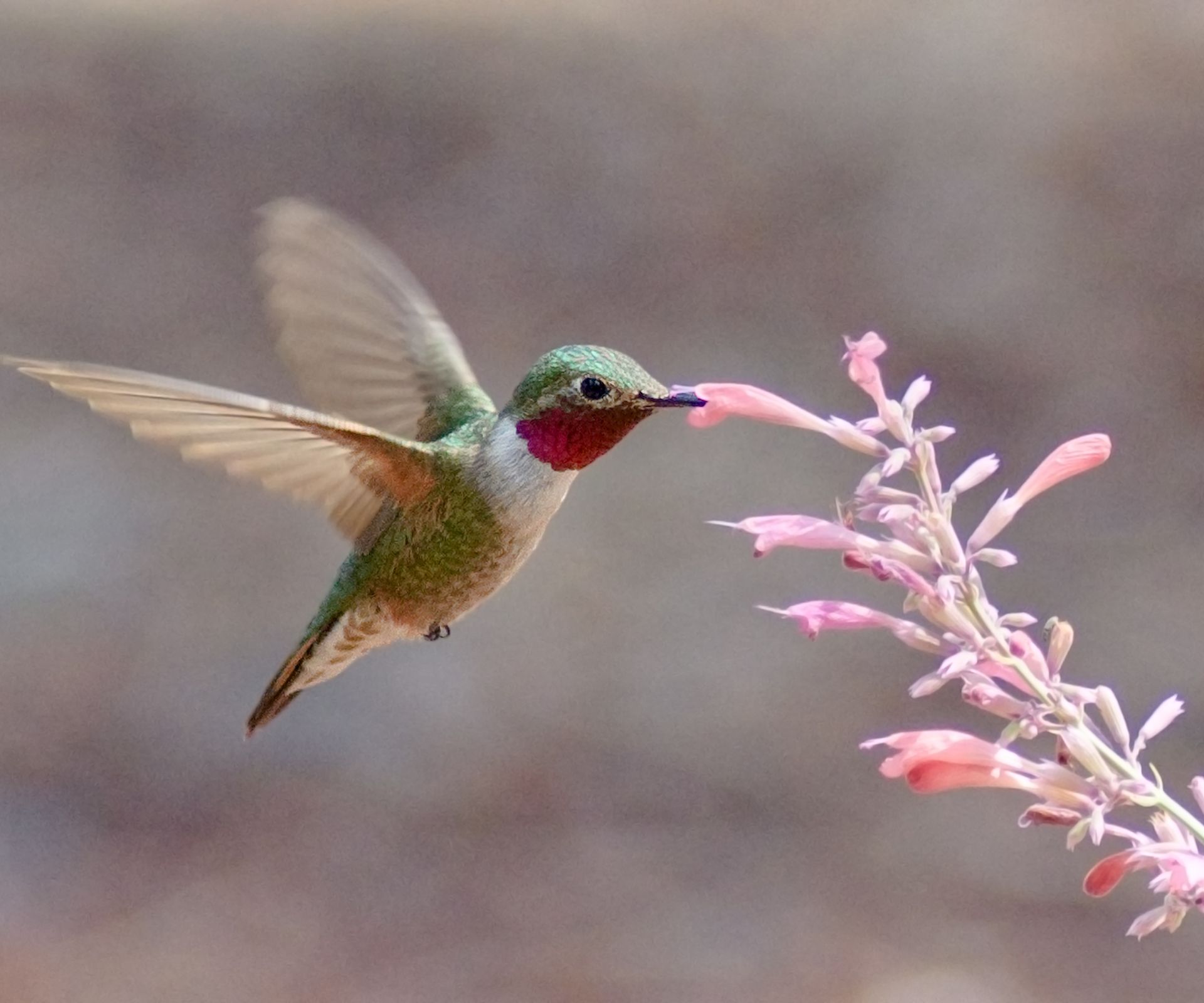
Agastache's tubular flowers come off tall stalks at every angle, blooming late. Anise hyssop adds lavender-blue spikes and licorice-scented leaves.
“creating a 360-degree buffet for hummingbirds”
The one thing
Plant native perennials in September so roots establish before winter, and favor red tubular blooms that hummingbirds can reach and other insects cannot.