From Homes and Gardens · · 2m
Beautyberry: the shrub that feeds birds all fall
One shrub sits quietly until September, then lights up with violet fruit that carries birds through the lean months.
In brief
One shrub sits quietly until September, then lights up with violet fruit that carries birds through the lean months. Plant three to five American beautyberry together in the ground, cut them back hard in late winter, and you get a berry crop birds can count on every fall. Originally reported by Homes and Gardens.
The fall showstopper
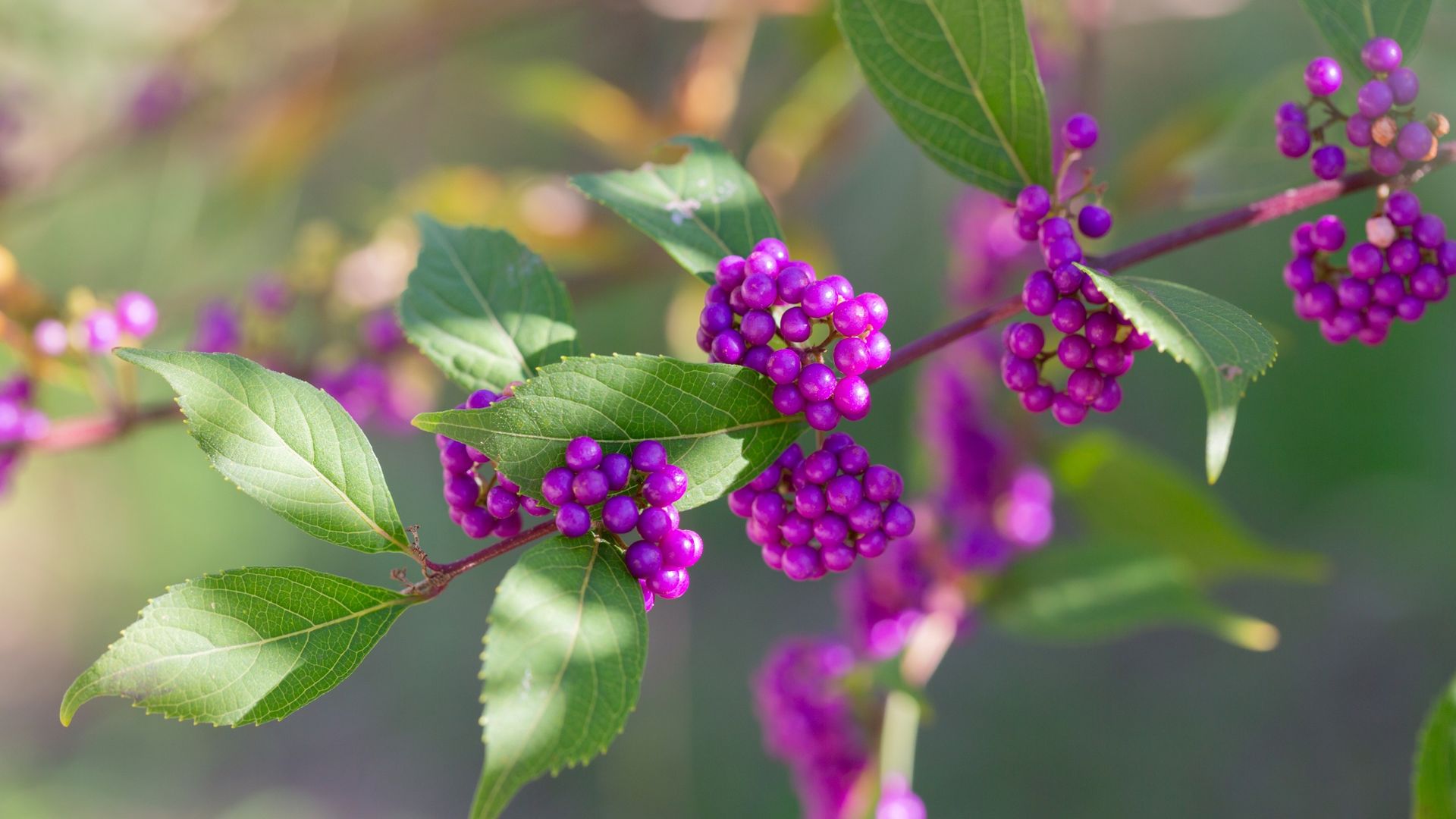
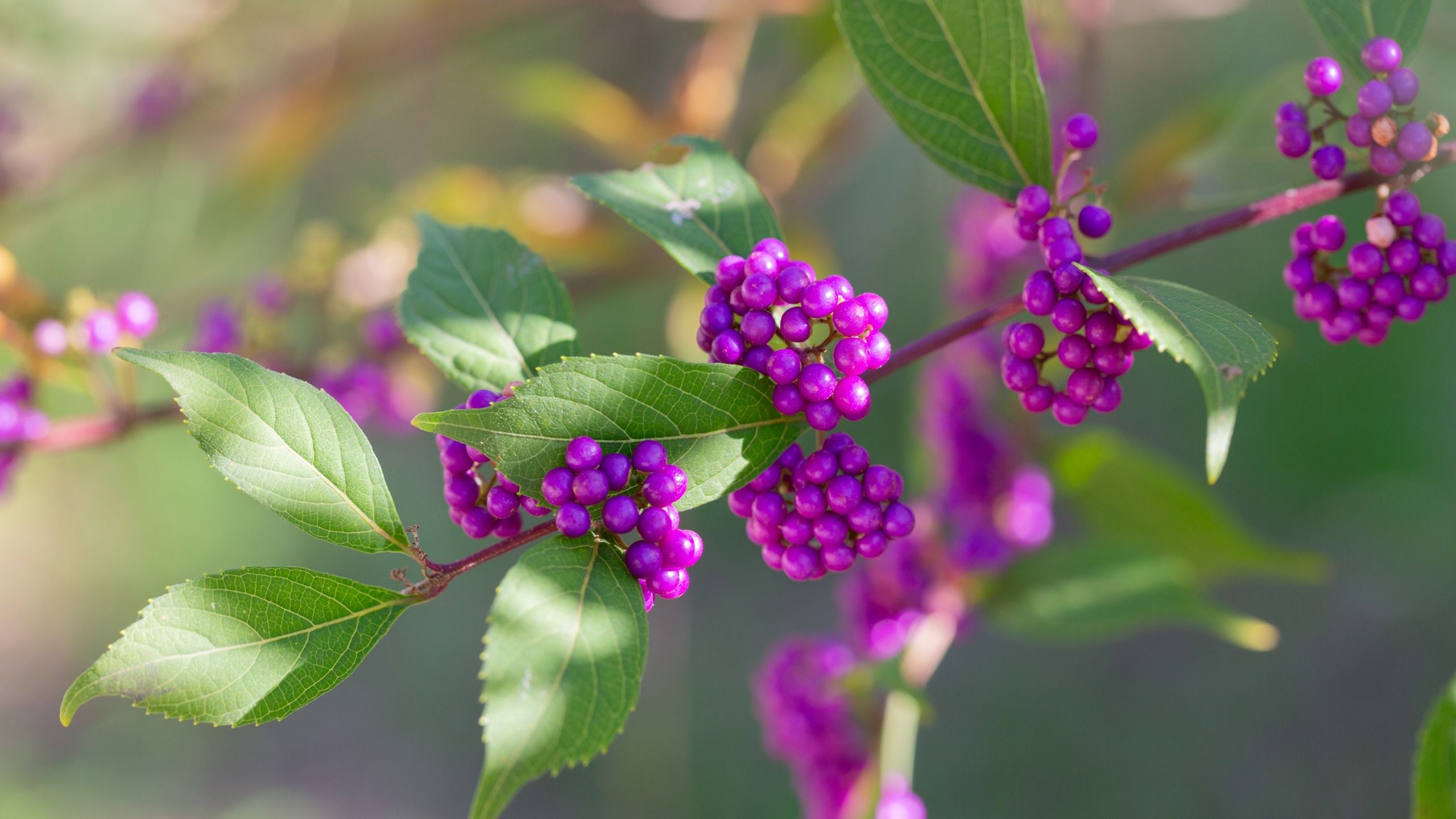
Beautyberry carries dense clusters of glistening violet fruit against green leaves that turn gold. It is a deciduous shrub built for the back half of the year.
“Beautyberry is a true fall showstopper.”
Quiet until midsummer
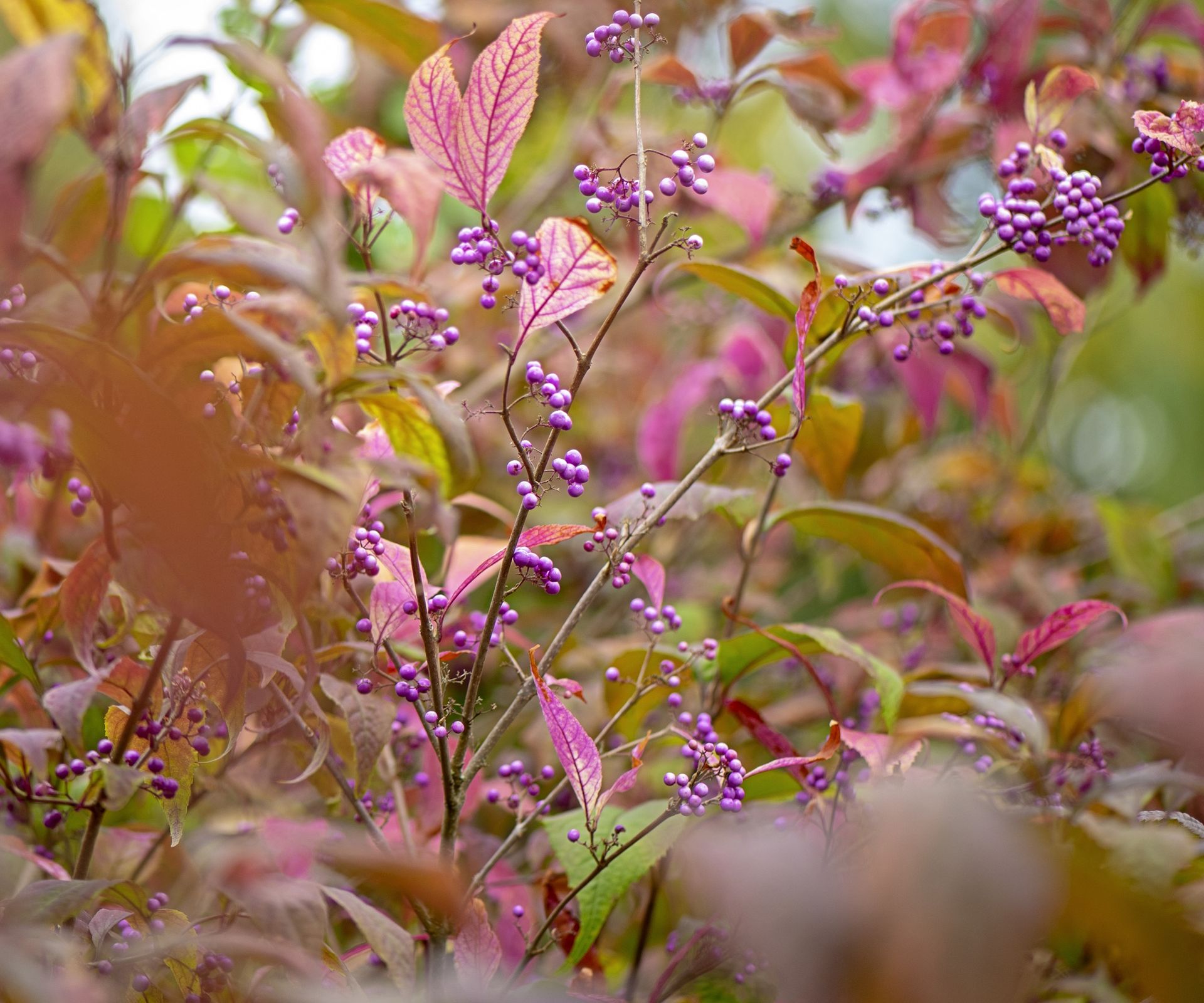
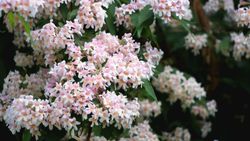
Spring and early summer pass with barely a signal. Tiny pink blooms in midsummer are the first hint of the fruit coming, and from September the berries take over.
Food when food runs out
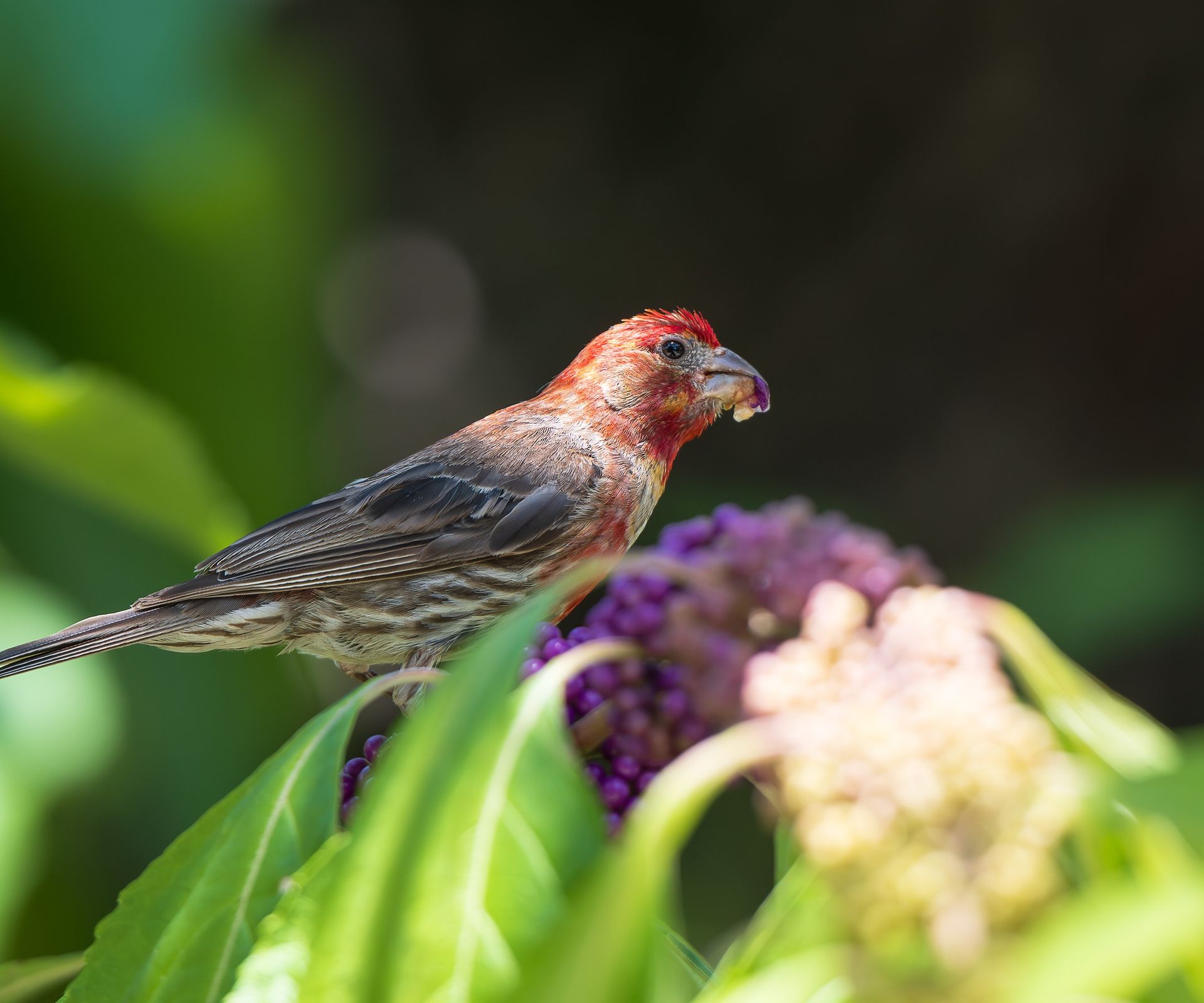
The berries ripen at a naturally lean time of year, so the shrub becomes a working feeding station rather than just a pretty one.
“beautyberry's vivid fruit provides valuable food for wildlife at a naturally lean time of year”
Who shows up
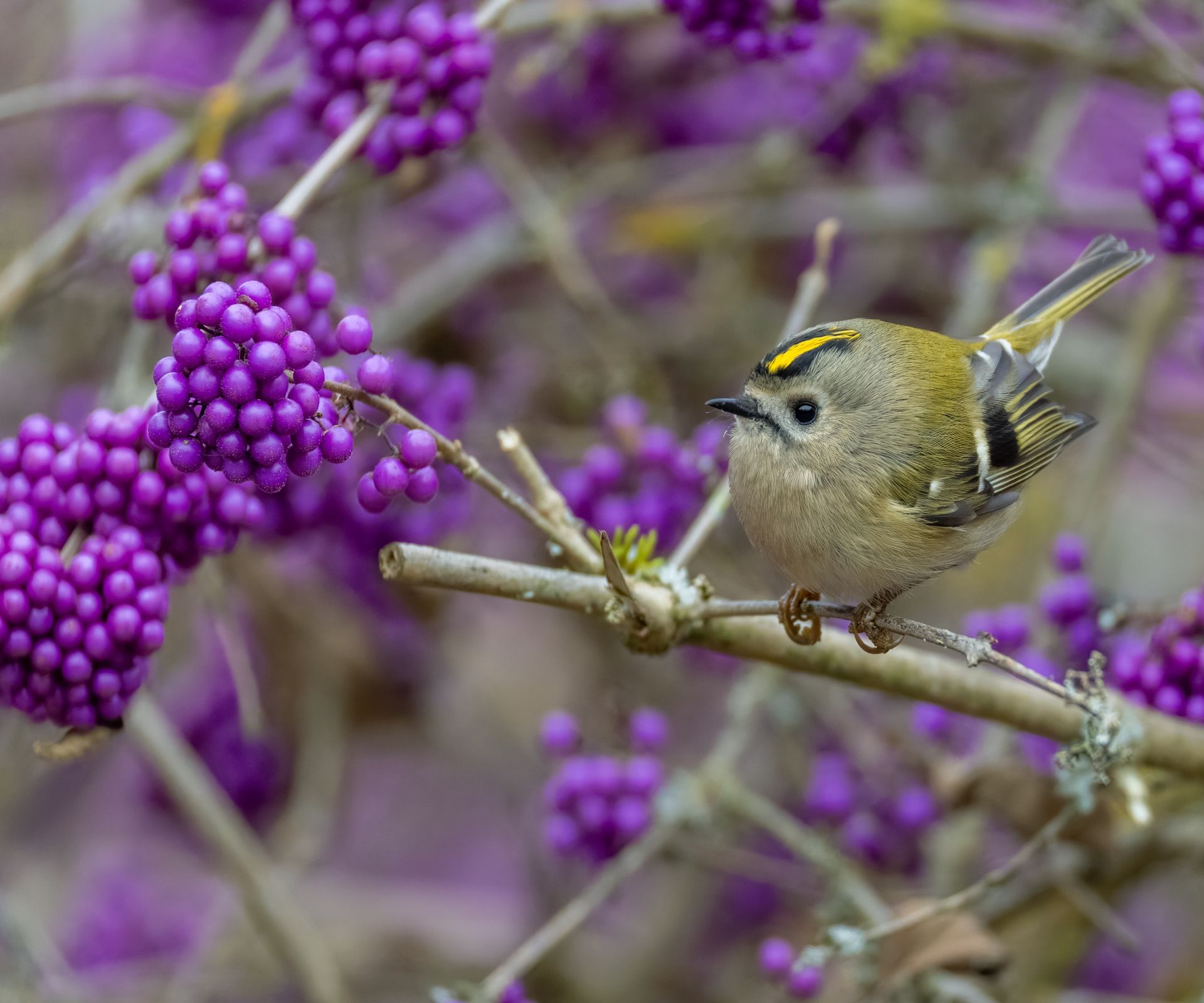
Mockingbirds, cardinals, robins and tiny goldcrests all come for the fruit. Small mammals feed on the plants too.
“Small mammals rely on these plants too”
Cultivars with a job
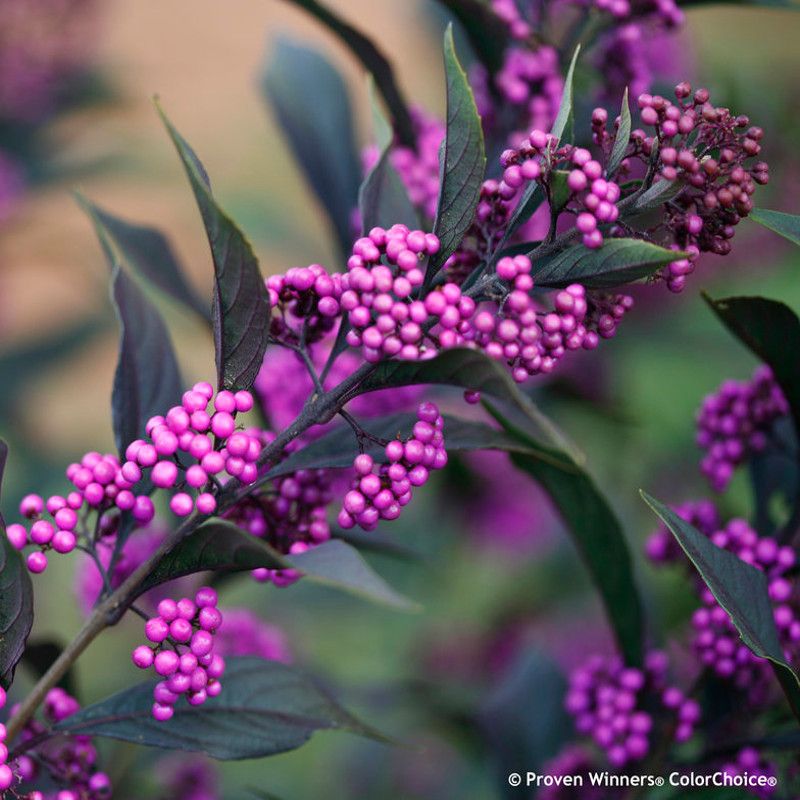
Callicarpa dichotoma 'Early Amethyst' ripens a full month ahead of most, feeding birds sooner. 'Plump and Plentiful Amethyst' was bred for heavier berry clusters.
“more food, more impact”
Pick the straight species
For a wildlife garden, plain Callicarpa americana beats the fancy selections. It keeps the natural traits and genetic diversity that suit local birds and conditions.
“These plants retain the natural traits and genetic diversity of the species”
Plant in threes or fives

Containers work if they are large and free draining, but the shrub is happiest in the ground. Group three or five for better fertilization and a heavier fall crop.
Give it company
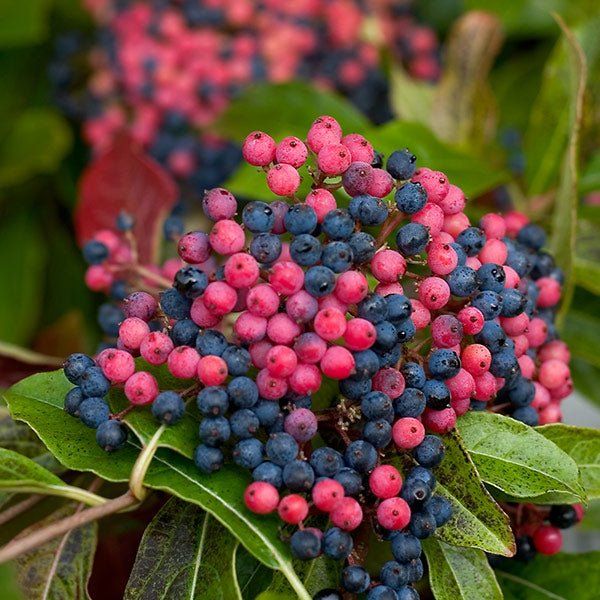
Pair it in a mixed shrub border with native viburnums and serviceberries for more fruit, plus black-eyed Susan, coneflowers and milkweed for nectar, seed and host plants.
“food and cover at different times of year”
Which one, not which zone
American beautyberry suits Zones 6 to 10 across the South and mid-Atlantic. Farther north, Callicarpa dichotoma and 'Plump and Plentiful Amethyst' are hardy to Zone 5.
“Beautyberry is a plant where "which one" matters as much as "which zone"”
Sun, water, soil
It takes full sun or part shade, and clay, loam or sand as long as drainage is decent. Water regularly through the first growing season, then it largely fends for itself.
Cut it back hard
Flowers and fruit form on new growth, so take stems down to 12 to 18 inches in late winter. The shrub stays compact and next fall's berry crop improves.
“That yearly hard prune keeps the shrub compact, encourages vigorous new canes”
The one thing
Plant three to five American beautyberry together in the ground, cut them back hard in late winter, and you get a berry crop birds can count on every fall.