From Homes and Gardens · · 3m
Plant Alliums Now, Feed Bees Next Spring
One bulb in the ground this fall gives pollinators a packed buffet next year, and it barely asks anything of you.
In brief
One bulb in the ground this fall gives pollinators a packed buffet next year, and it barely asks anything of you. Plant allium bulbs once soil temps drop below 60°F, in full sun and well-drained soil, mixing early and late varieties so bees get fed from spring through summer. Originally reported by Homes and Gardens.
Fall is not the off season
September looks like the end of the gardening year, but it's the start of next year's flowers. Bulbs planted now root through fall and bloom on schedule.
Alliums earn their space
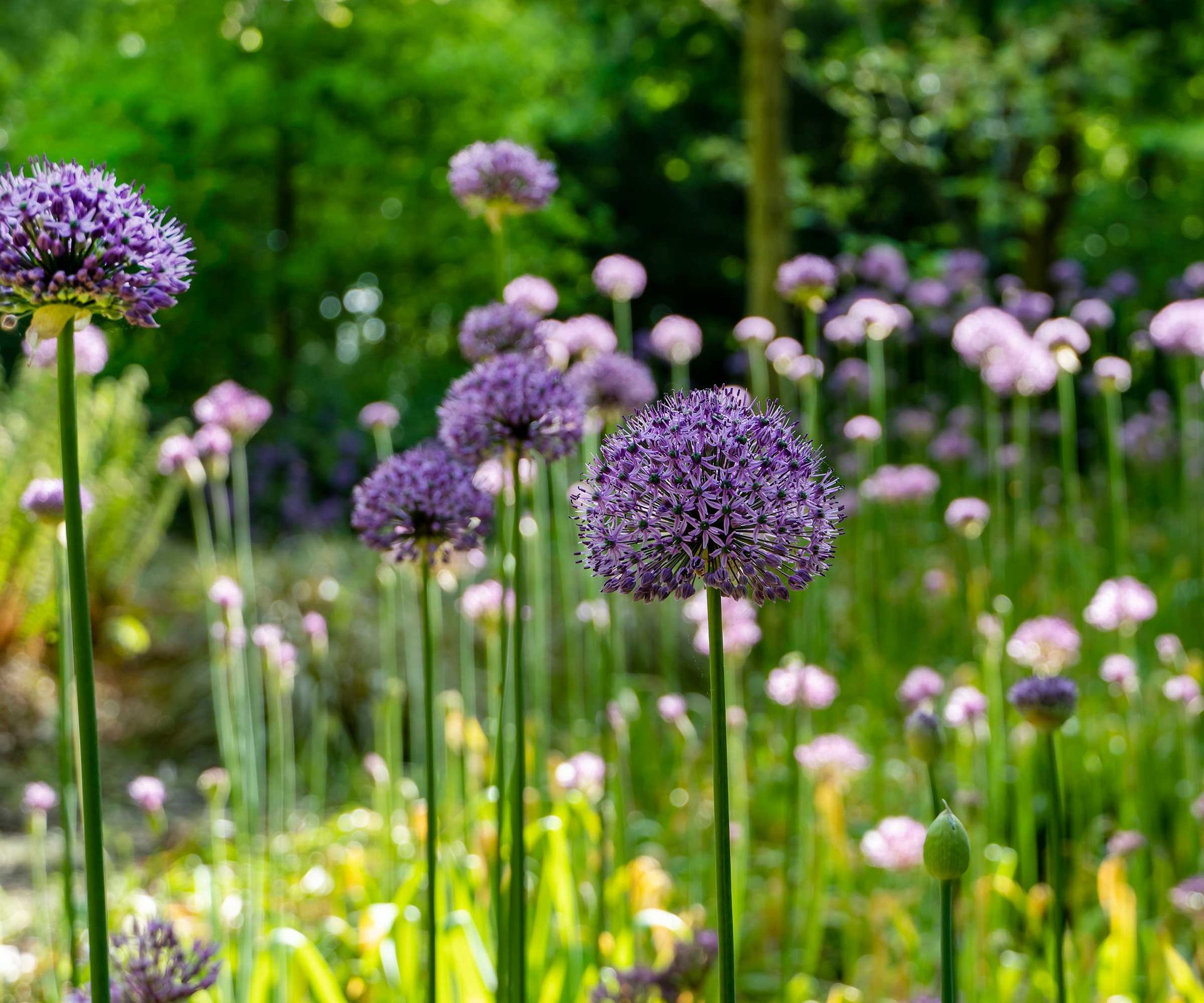
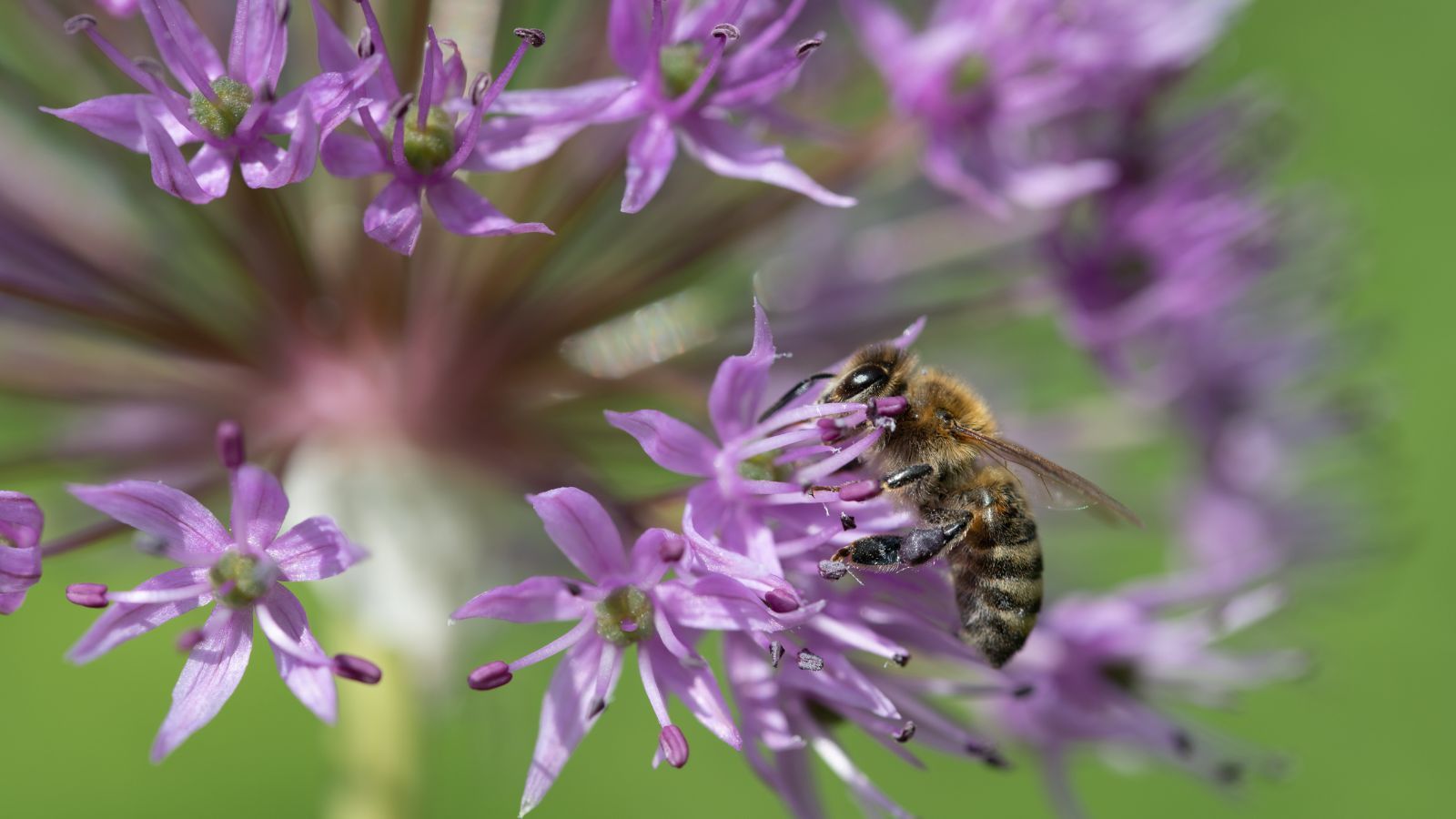
They look good and they work. Tightly packed flowerheads give bees and other pollinators a dense feeding station instead of a single bloom.
Watch the soil, not the date
Plant when soil cools to around 55 to 60°F. Cool soil tells the bulb to grow roots without pushing up leaves it can't protect.
“The cooler soil allows the bulb to begin making roots without encouraging top growth.”
Too early, too late
Warm soil triggers top growth that winter will kill. Plant very late and the roots run out of time before the ground freezes.
Your zone sets the window
In the coldest regions October works. Milder areas can wait until November or even December.
The six week rule

One guideline travels anywhere: plant once nighttime soil temps settle below 60°F, roughly six weeks before your first hard frost, and before the ground locks up.
“If you want one rule that works no matter where you live, watch the soil, not the calendar.”
Why the shape matters
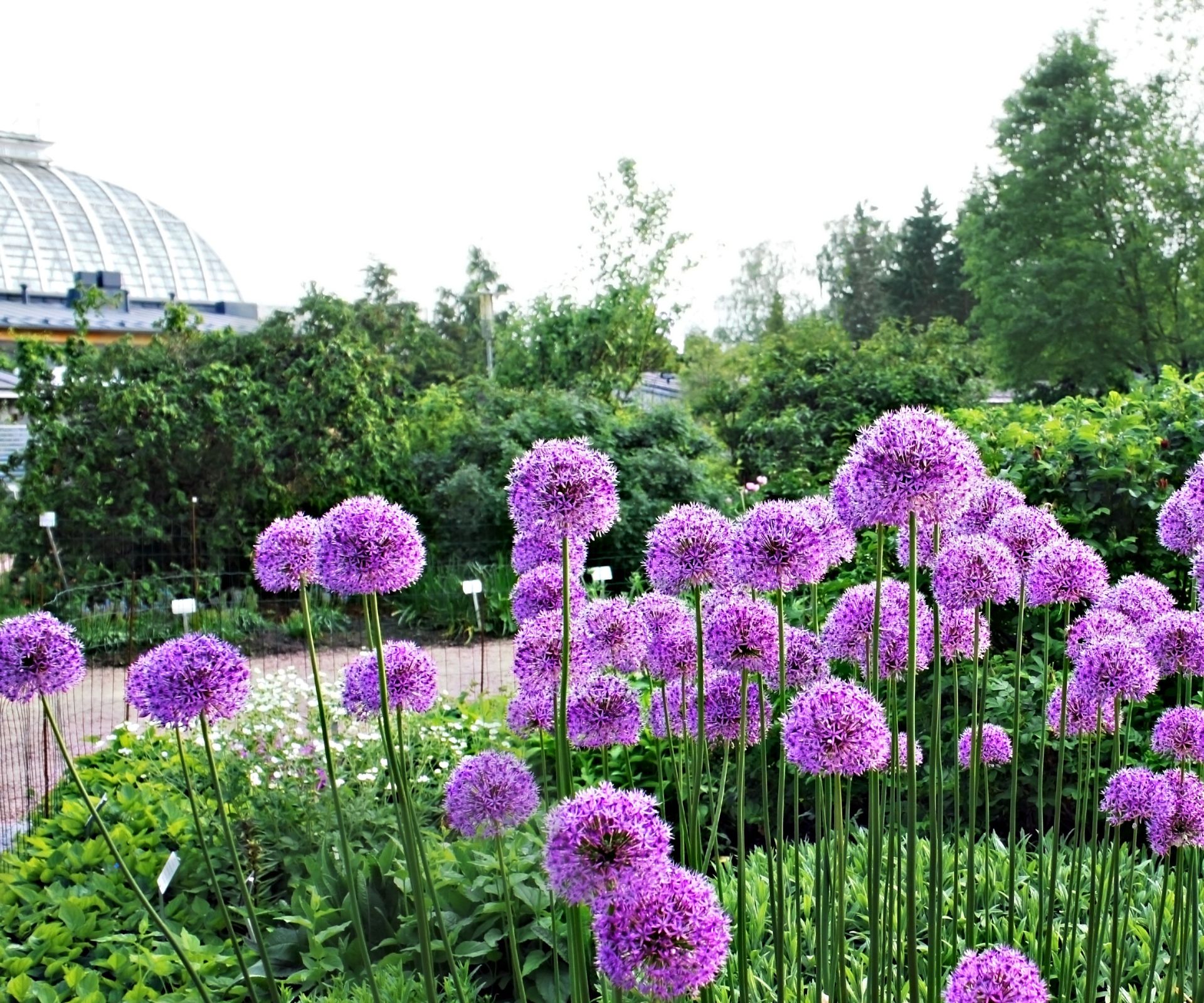
An allium head is many small blooms packed into a wide landing pad. Bees harvest a lot without burning much energy getting there.
“It has a large surface area with clustered blooms, allowing substantial harvest without a costly energy expenditure from the bees.”
Plant in clumps, not dots
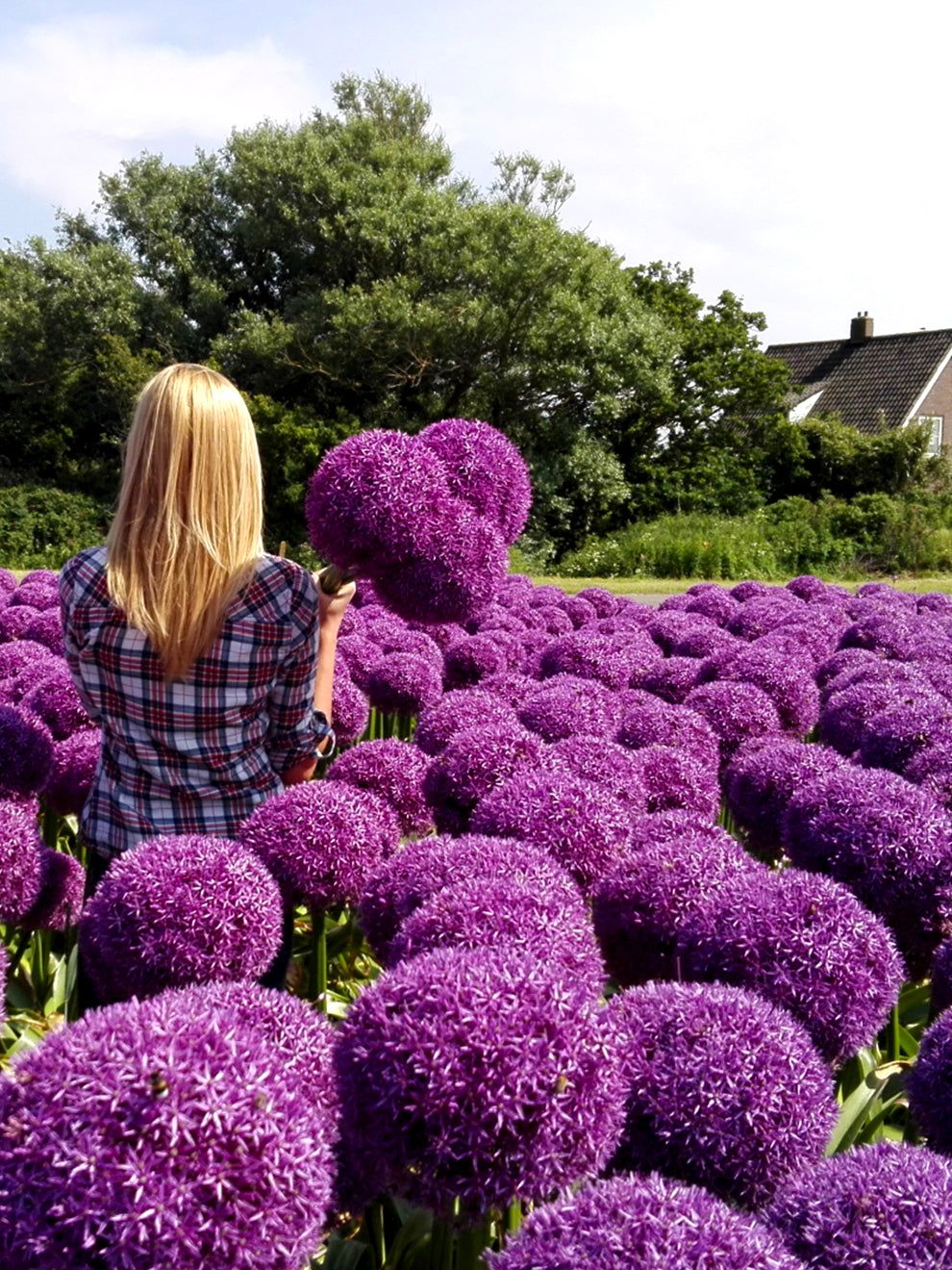
Cluster by species rather than scattering single bulbs. Insects find a patch faster and feed faster, and a swathe looks better too.
“It's easier for insects to locate the plants and quicker for them to harvest.”
Look past the purple globe
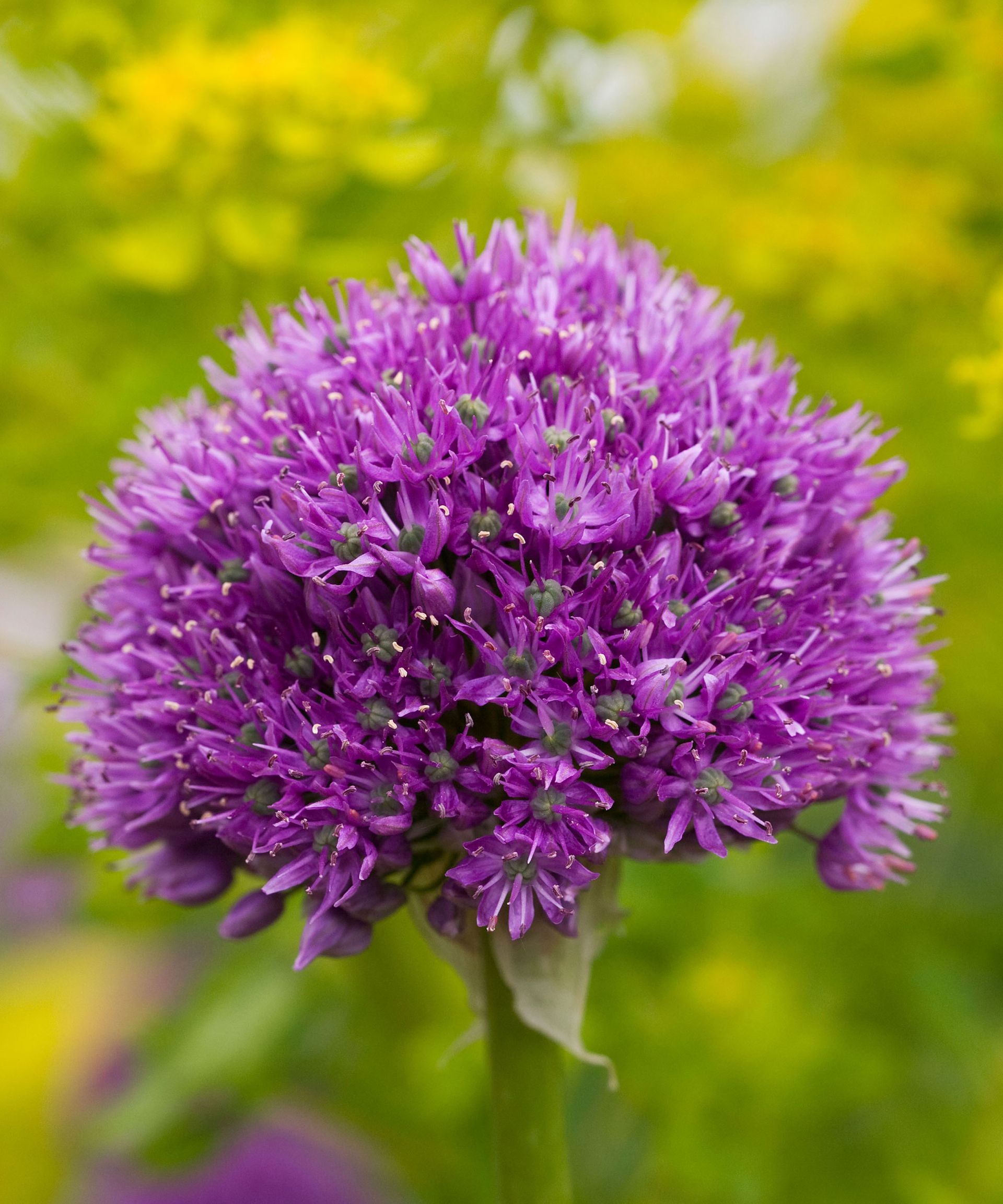
Mixing varieties with staggered bloom times stretches the feeding season and adds height, color and flower shape to the bed.
“For the strongest pollinator display, plant several allium varieties with different bloom times for a long season of feeding.”
A starter lineup
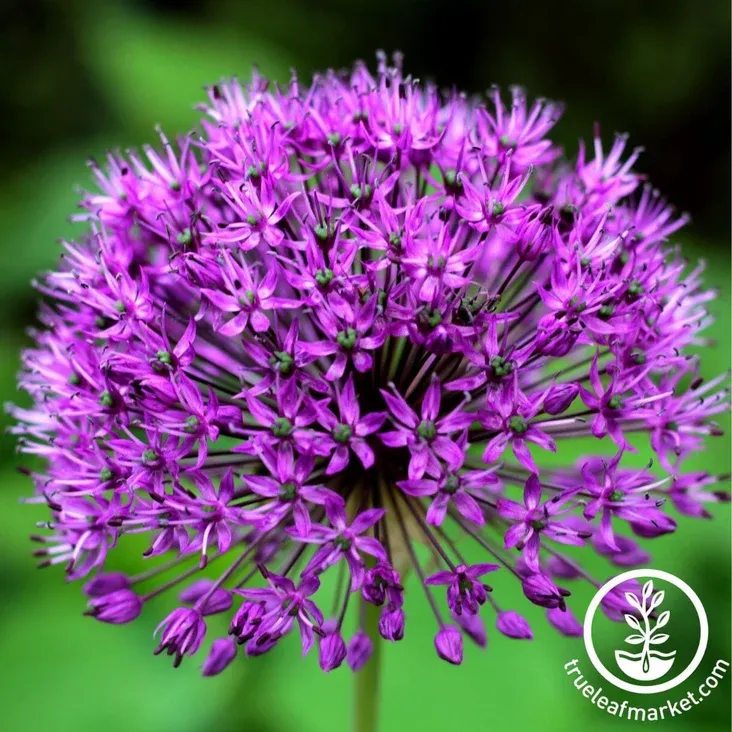
Purple Sensation brings violet globes in late spring, Star of Persia opens airy heads in mid to late May, and tall Summer Drummer carries color later.
Add one native
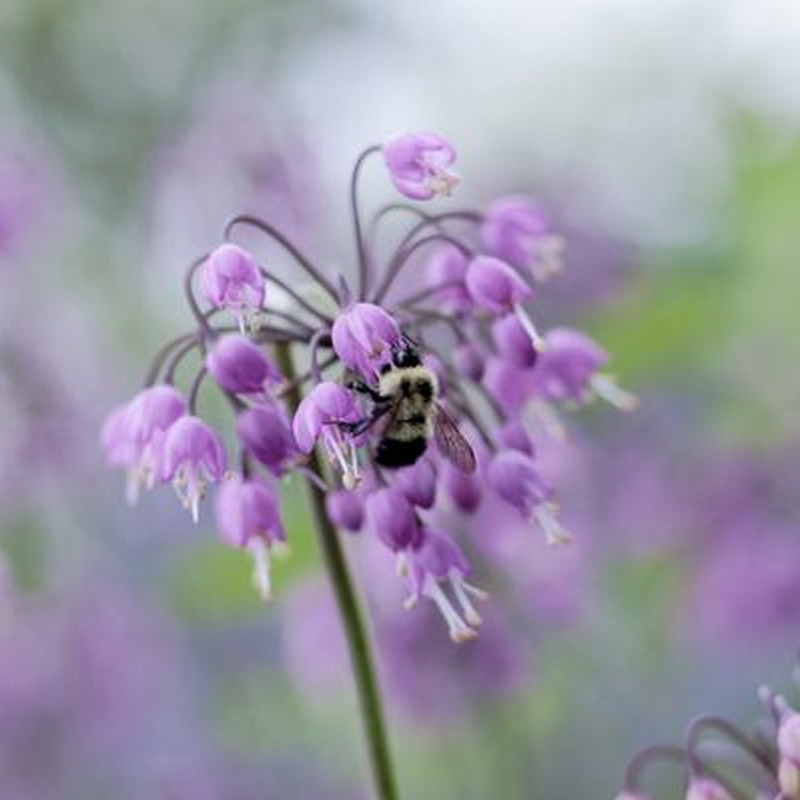
Nodding Onion is a North American native with loose clusters of pink flowers from early to midsummer, and bees and butterflies work it hard.
Pair early with late
The trick is timing, not finding one perfect bulb. Back an early Purple Sensation with Drumstick Allium, which flowers mid to late summer.
“The real trick isn't picking one perfect variety, it's thinking about timing.”
Sun and sharp drainage
Full sun, well-drained soil, no low spots where water pools. Alliums rot in wet ground, so fix heavy clay or build a raised bed.
“If you have heavy clay that stays wet through winter, improve the drainage of the entire planting area or use a raised bed.”
How deep, how far apart
Bury each bulb two to three times its own height, pointed end up. Big types like Globemaster go 6 to 8 inches down and 8 to 10 inches apart.
No garden required
Alliums do fine in containers. Try a bulb lasagna, layering bulbs with different flowering times in one pot for a small patio.
Let the leaves yellow
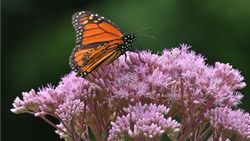
After flowering, stop overwatering and leave the foliage alone until it dies back. Those leaves are still feeding the bulb for next year.
“The leaves are still photosynthesizing and replenishing the bulb.”
The big picture
Plant allium bulbs once soil temps drop below 60°F, in full sun and well-drained soil, mixing early and late varieties so bees get fed from spring through summer.