From Homes and Gardens · · 2m
The September orchid move that brings spring blooms
Moth orchids need a cool spell in fall before they will set a new flower spike, and your heated house is hiding it from them.
In brief
Moth orchids need a cool spell in fall before they will set a new flower spike, and your heated house is hiding it from them. Move your moth orchid to a bright room that drops to 55-65°F at night in September, then shift it back somewhere warm and stable once a flower spike appears. Originally reported by Homes and…
One September move

After orchids finish flowering and spend summer building roots and leaves, relocate them to a cooler spot in the house. That single change sets up spring blooms, sometimes earlier.
“there's always one thing I do in September: move my orchids somewhere cooler”
Cool nights flip the switch

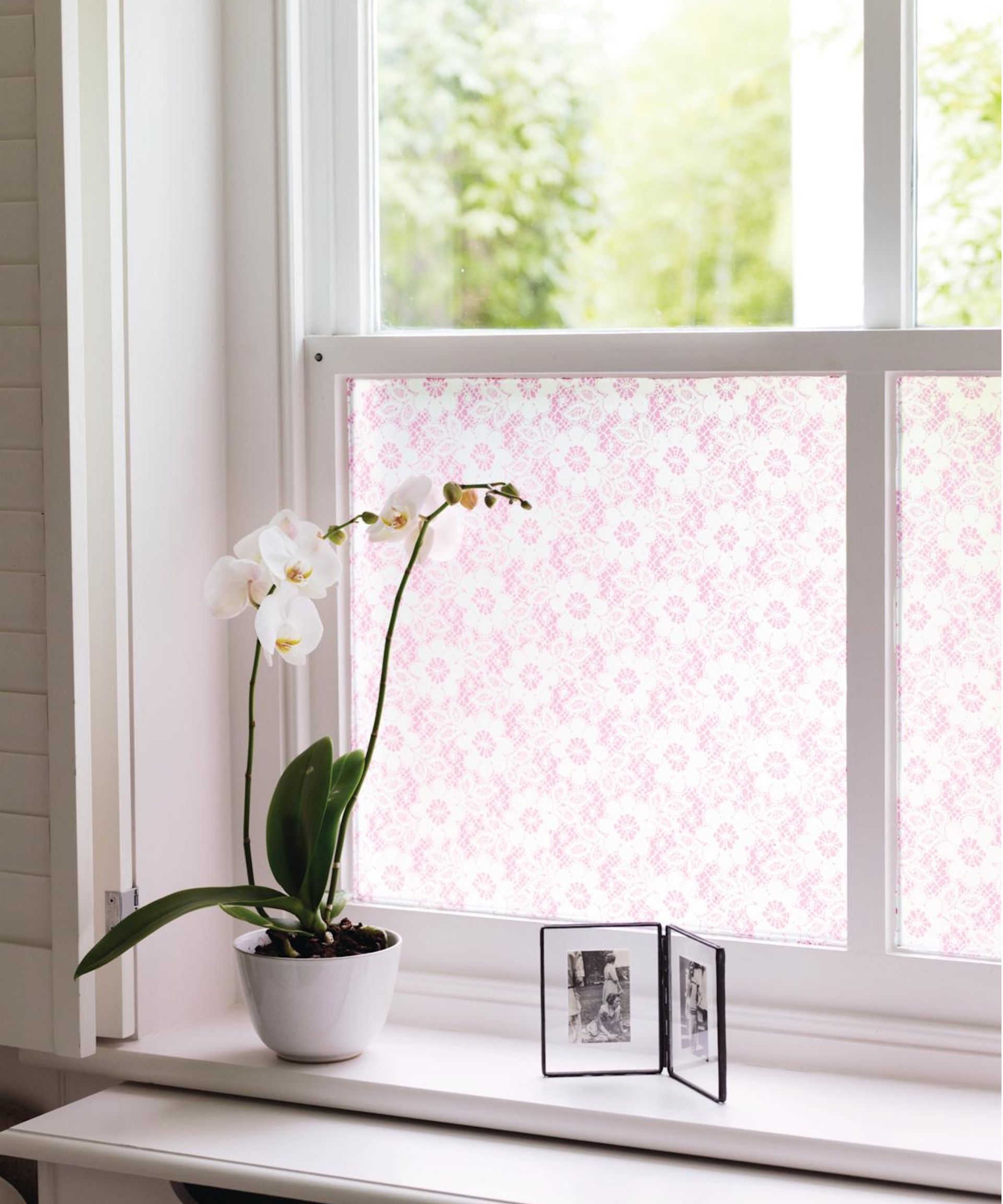
Moth orchids, the standard indoor Phalaenopsis, open their buds in spring but need cool fall nights first to start a new flower spike.
Your house is too kind
Central heating erases the fall temperature drop, so the plant never gets the signal. That is usually why an orchid sits there green and refuses to rebloom.
What the rainforest does

In Asia, New Guinea and northern Australia, moth orchids feel nights fall to 55-65°F for several weeks as summer turns. You are copying that indoors.
An expert on the why

Adrian Aviles, houseplant expert and owner of Athletic Club Flower Shop, frames it as giving the plant just enough of a shift to read the season.
“You're giving it enough of a temperature change that it recognizes fall and starts preparing a flower spike”
Pick the room carefully

Choose a bright room that naturally cools in the evening. Yanking it off a sunny sill into a draft shocks the plant and stunts growth instead.
“A bright room that cools down a little in the evening is usually a good option”
Stay away from vents
Direct blasts from an AC unit or heater do more harm than good. And do not trade light for cold, a dark room is not worth the lower temperature.
“I wouldn't put it in a dark room just because it gets colder at night”
Cool is not the only need

Bright light keeps photosynthesis going, and fall air is drier, so raise humidity with a pebble tray. A bright east-facing sill works if no icy draft hits it.
Move it back at the spike

Keep it cool for several weeks until a flower spike pushes out from the base. Then return it to steady warmth and leave it alone, or buds will drop.
Misting is a myth
Constant misting barely moves humidity. A steamy bathroom or a small humidifier does far more for the plant than a spray bottle ever will.
The one thing
Move your moth orchid to a bright room that drops to 55-65°F at night in September, then shift it back somewhere warm and stable once a flower spike appears.