From Homes and Gardens · · 3m
Your Monstera Needs 5 Things This September
A houseplant expert's five September jobs that stop a monstera from drooping and yellowing as the days get shorter.
In brief
A houseplant expert's five September jobs that stop a monstera from drooping and yellowing as the days get shorter. Follow the plant, not the calendar: as growth slows in September, water less, feed less, and give it more light. Originally reported by Homes and Gardens.
A prized plant, a fragile moment

The writer's Monstera deliciosa towers over the rest of her indoor garden. September is when she shifts its care from summer mode into fall.
Sudden change makes it sulk
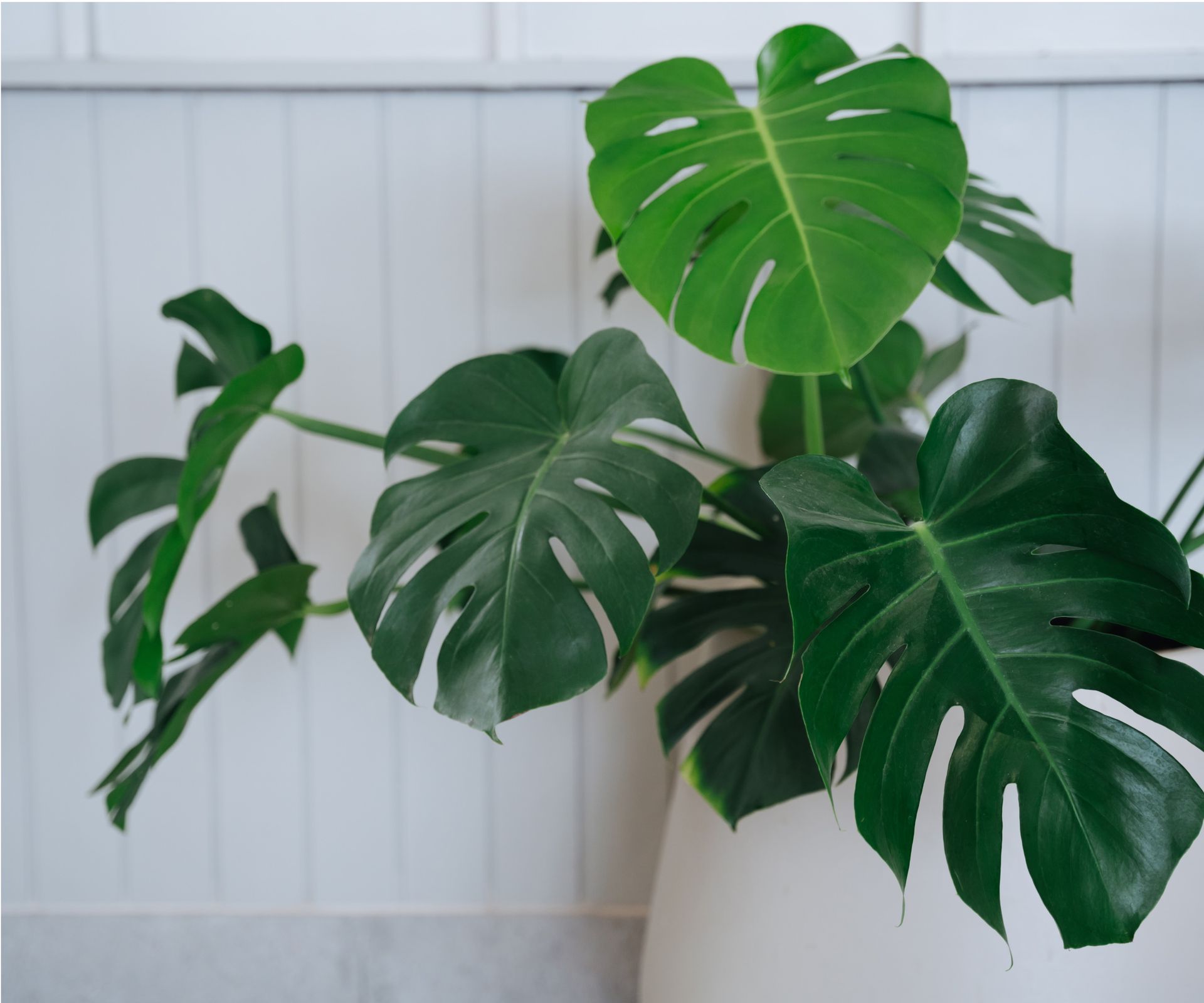
Swings in temperature and moisture trigger drooping and yellowing leaves. Easing the plant into fall avoids the drama.
“sudden environmental changes (like temperature and moisture) can trigger some dramatic reactions”
Dry air is the other threat

Indoor air gets drier over the coming weeks, and these tropical plants hate it. A small portable humidifier nearby keeps them comfortable.
Dust is blocking photosynthesis
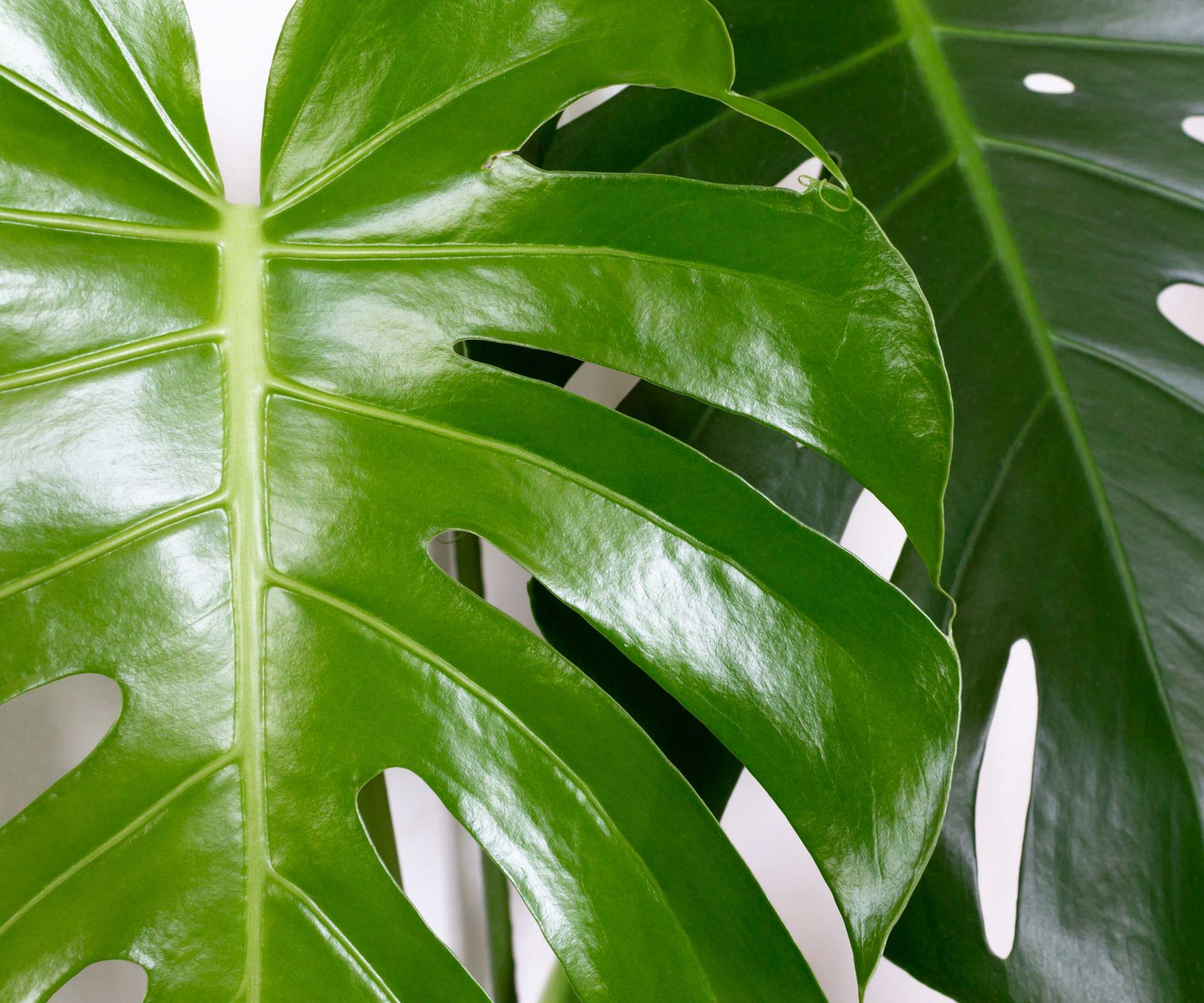
Those big fenestrated leaves collect dust fast. The layer blocks pores, slows photosynthesis, and leaves the foliage looking dull.
Wipe each leaf gently

Houseplant expert Rosalin Ortega wipes every leaf with a soft damp cloth, supporting it from underneath. Diluted neem oil lifts build-up and puts pests off.
“September is a good time to clean the leaves, especially after a summer of open windows, fans, or extra dust in the home”
Stop watering on a schedule
Keeping one watering routine all year is a classic mistake. Cooler, shorter days mean the soil stays wet longer, so the plant drinks less.
“The important thing is to follow the soil rather than continuing with the same summer schedule”
Two inches dry, then water
Check the soil first and wait until the top two inches feel dry. A moisture meter probe gives you an instant reading instead of a guess.
Overwatering rots the roots

Too much water in fall leads to root rot, yellow leaves, and a plant in general decline. That is the failure mode to fear, not thirst.
Put the fertilizer down

Growth slows in September, so there is little point pushing nutrients at it. If new leaves are still appearing, feed at half strength.
“There is no need to force new growth when the plant is naturally beginning to slow down”
Feeding now backfires
Fertilizer in fall and winter can burn roots, oversaturate the soil, and force weak growth that cannot handle cooler, darker days.
Move it toward the window

Monstera evolved under rainforest canopies in dappled light, so it tolerates low light but grows best in bright indirect light. Shorter days mean it needs a brighter spot.
Move it slowly, rotate it often

Leaning, stretching, or smaller leaves say it wants more light. Shift it gradually, keep it out of harsh afternoon sun, and turn it every week or two.
“If the monstera begins leaning, stretching, or producing smaller leaves, I recommend moving it a little closer to a bright window”
Cut away the damage
Scorched, spotted, or discolored leaves will not recover and drain energy. Prune at the base, never more than a third of the plant, and clean your tools after.
The takeaway
Follow the plant, not the calendar: as growth slows in September, water less, feed less, and give it more light.