From Jalopnik · Andy Kalmowitz · · 1m
Greece's Submersible Bridges: A Silly Engineering Marvel
Greece's submersible bridges, designed to let ships pass while allowing cars, are a quirky solution to a problem that doesn't exist.
In brief
Greece's submersible bridges, designed to let ships pass while allowing cars, are a quirky solution to a problem that doesn't exist. Greece's submersible bridges, which submerge to let ships pass, are a unique but unnecessary engineering feat. Originally reported by Jalopnik.
Greece's submersible bridges
Greece's submersible bridges connect the Peloponnese with mainland Greece through the Isthmus of Corinth.
Submersible bridge design
Each bridge has two hydraulic lifts that raise and lower a 108.3-foot wooden roadway with a footpath.
Submersible bridge drawbacks
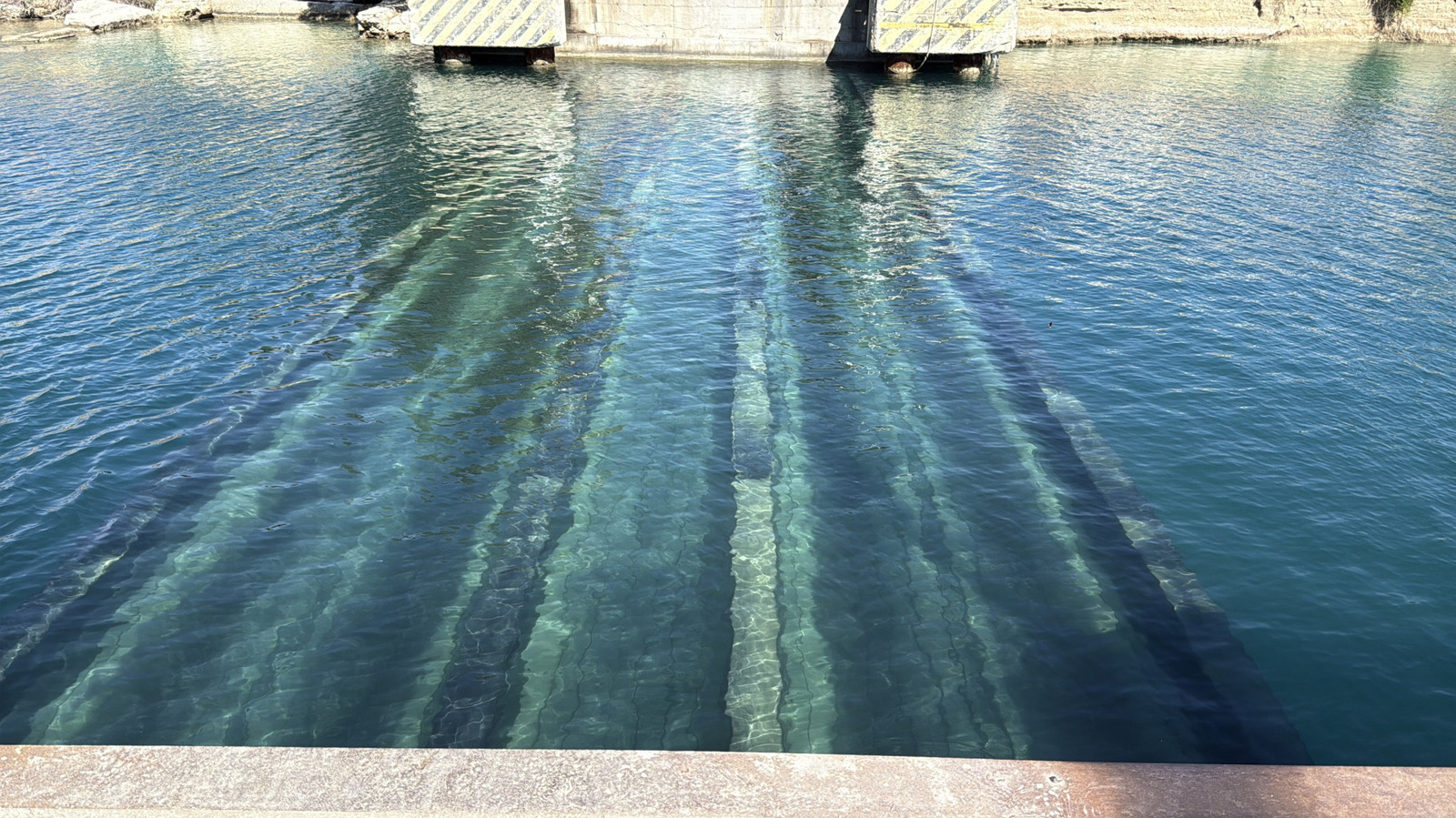
The footpath becomes slippery after submerging, but the bridge is sturdy with a maximum load of 7,119 pounds per square foot.
Submersible bridge speed
The bridge moves at 13 feet per minute, taking three and a half minutes to submerge or refloat.
Submersible bridge crowd
Onlookers gather to watch the bridge move, with restaurants nearby offering outdoor seating for spectators.
Why submersible bridges exist
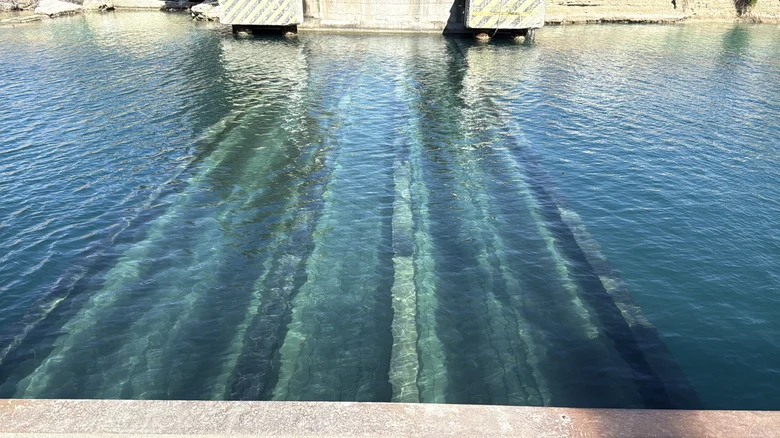
The bridges were built in 1985 to allow ships to pass without obstructing maritime traffic.
Here's the gist
Greece's submersible bridges, which submerge to let ships pass, are a unique but unnecessary engineering feat.


