From Kiplinger · · 1m 30s
AI Stock Bubble Warning Signs for Retirees
Retirees must act now to protect portfolios as AI stock bubble risks intensify
In brief
Retirees must act now to protect portfolios as AI stock bubble risks intensify Retirees should avoid panic, not sell during crashes, diversify away from tech-heavy funds, and rebalance when markets trough Originally reported by Kiplinger.
AI Stock Bubble Warning Signs
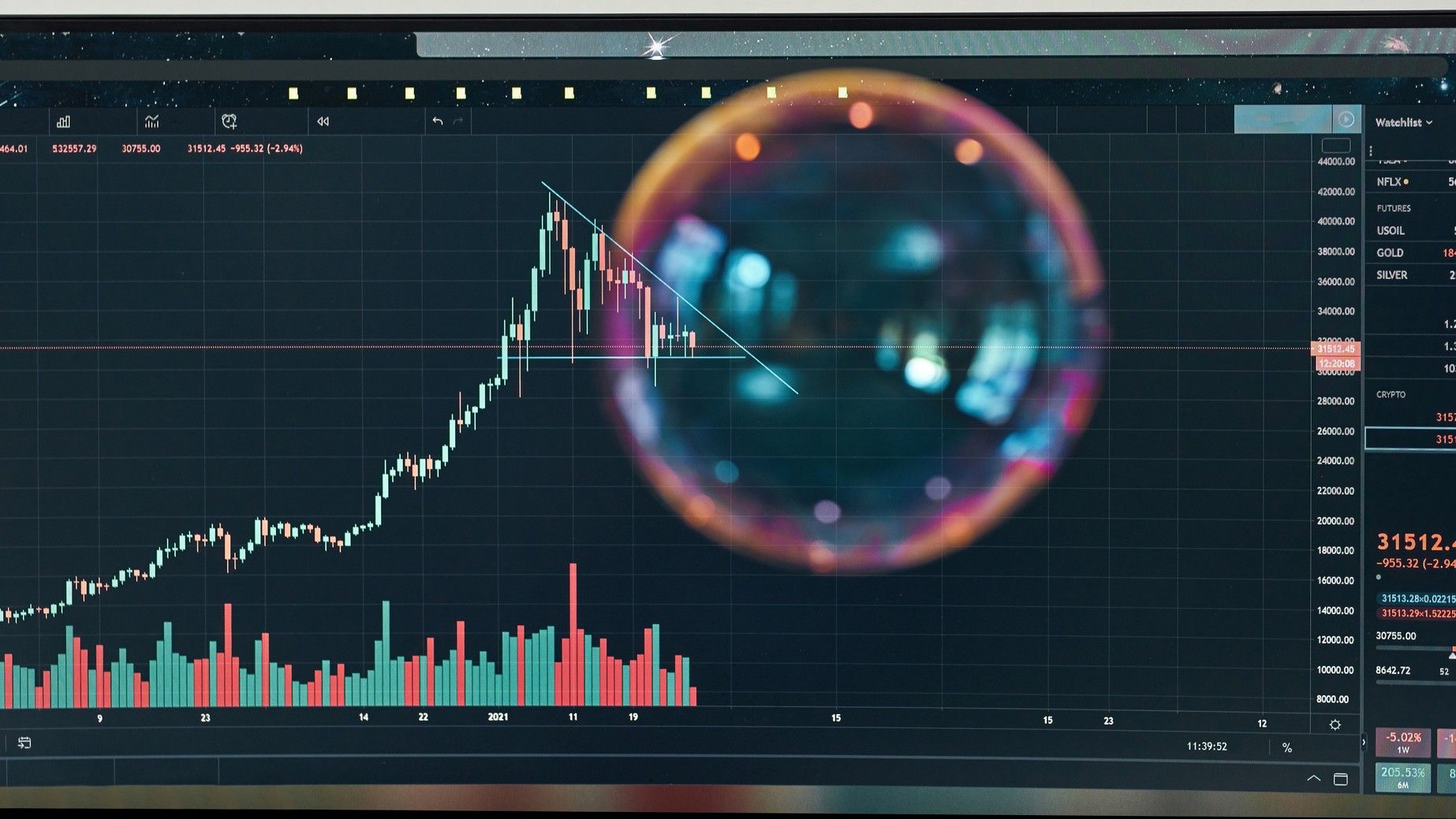
Nasdaq 100 gained 49% over two years as AI stocks surged, with Nvidia up 81% and Alphabet up 109%.
“AI can be transformational, but it still creates investment risks”
Borrowing Frenzy Threatens Stability

Tech companies raised $917.8 billion in bonds since 2019, but U.S. Treasury yields rose to 5.2% from 2.58% in 2019.
“The data centers AI buildout will reap rewards over time”
AI Revenue Lags Investments
Amazon invested $650 billion into AI by 2028, but only generated $171 billion in AI revenue for all of 2025.
“For all of 2025, estimated AI revenue was a little over $171 billion”
Market Crash Risk
Historical crashes like the 2008 financial crisis and dot-com crash show S&P 500 can drop 57% or 78% without recovery.
“Fasten your seat belts, we could be in for a bumpy ride”
Don't Panic

Limit media consumption to avoid emotional reactions during market volatility, as TV and radio often amplify fear.
“Don't let your emotions become your worst enemy”
Don't Sell
Dividend investors still receive payments even if stock prices drop significantly during crashes.
“If you are a dividend investor, you will still get paid based on the number of shares you own”
Diversify Away from Tech
Avoid S&P 500 funds dominated by tech stocks; focus on companies with strong cash flow and low debt.
“A broad selloff doesn't mean a company has become less valuable”
Rebalance at Market Trough
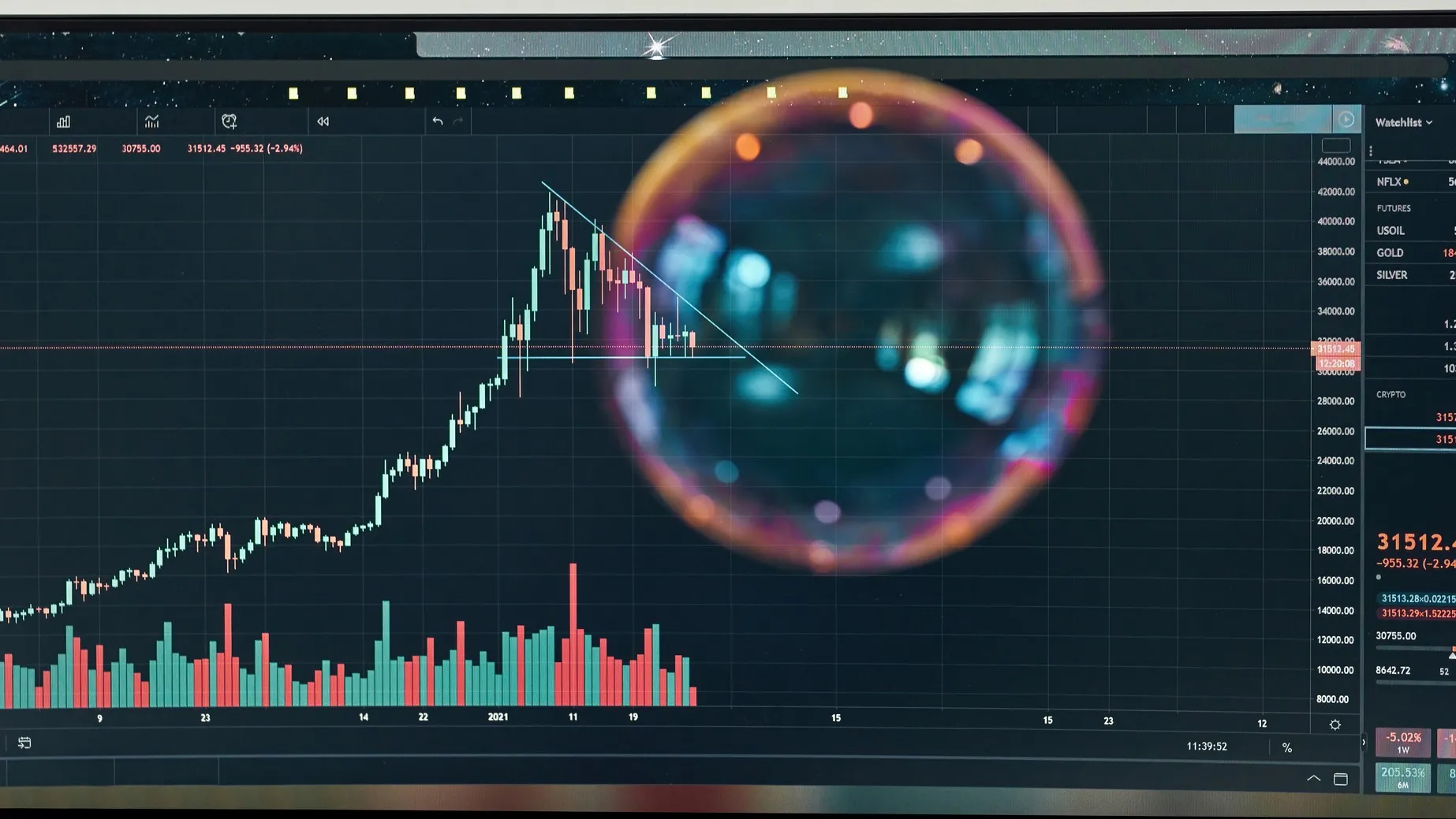
Buy stocks that have been most impacted by market downturns when the S&P 500 has 15% or fewer stocks above their 200-day average.
“On average, when 15% or fewer S&P 500 stocks are trading above their 200-day average”
Expect Volatility
Retirees should understand market volatility is normal but require lower-volatility assets due to shorter time horizons.
“Capital markets include inherent volatility; investors should expect volatility over time”
What to remember
Retirees should avoid panic, not sell during crashes, diversify away from tech-heavy funds, and rebalance when markets trough